



What's Happening?
Wabi-sabi, a traditional Japanese philosophy, is increasingly recognized for its emphasis on finding beauty in imperfection, impermanence, and the natural cycle of decay. This concept, which combines 'wabi' (fulfillment in simplicity and solitude) and 'sabi'
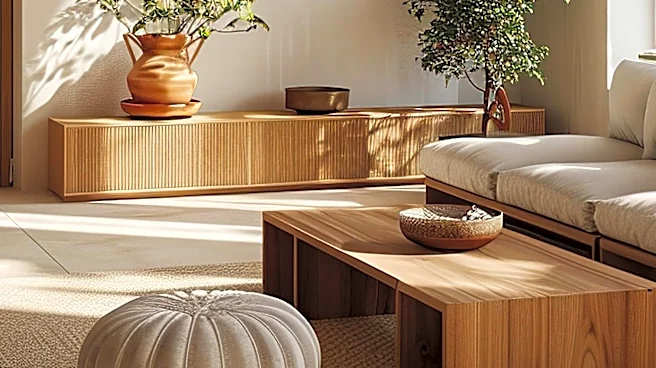
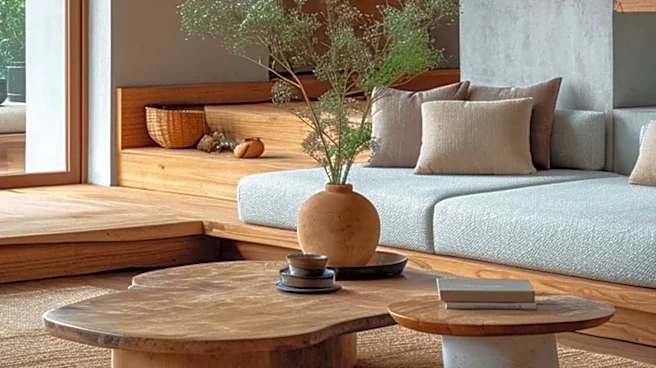
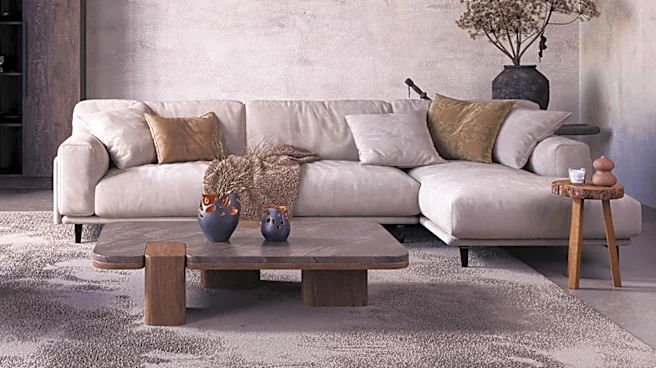
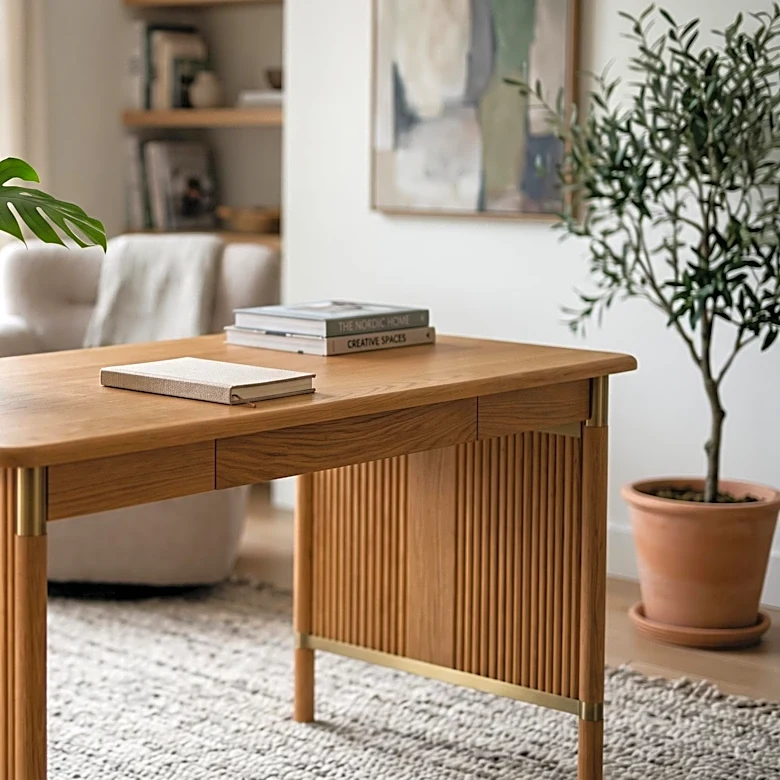
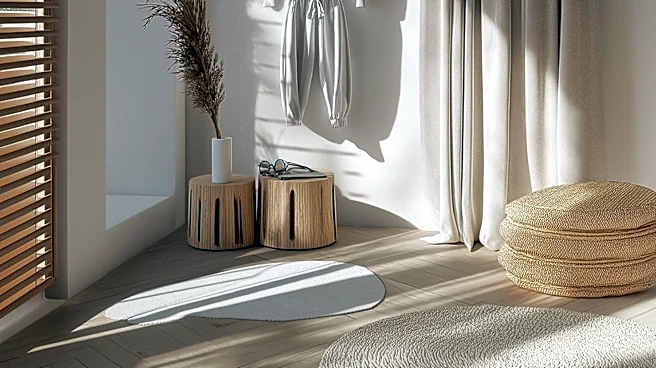
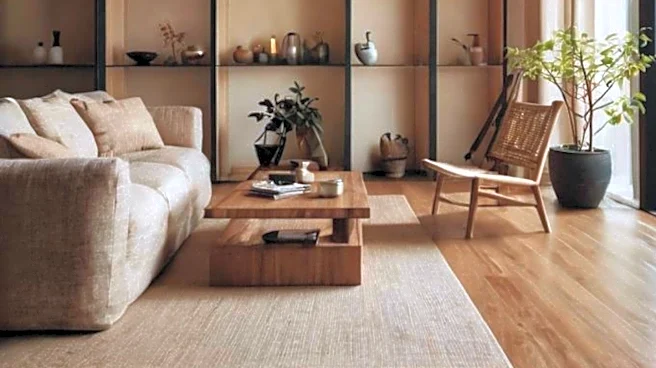
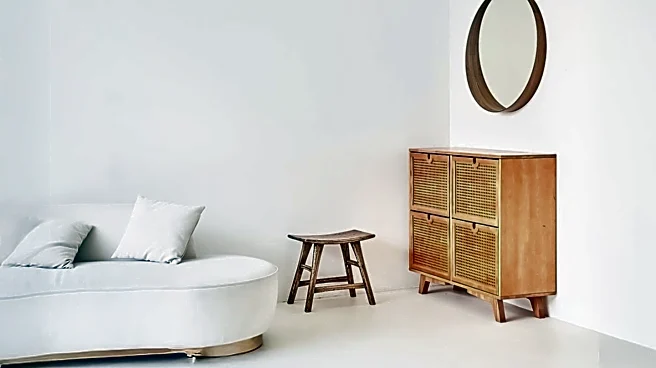
(the quiet grace of age and wear), is being applied in various aspects of modern life, from interior design to personal mindset. Unlike Western minimalism, which seeks perfection through elimination, wabi-sabi embraces natural flaws and the history embedded in objects. For instance, a solid wood L-shaped sofa and handmade stone pendant lights are examples of items that embody wabi-sabi by highlighting organic textures and natural materials. The philosophy encourages appreciating the patina on weathered copper or the subtle wear on a wooden step, viewing these as marks of time and history rather than defects. This approach offers a direct antidote to modern perfectionism and consumerism, promoting contentment with things as they are.
Why It's Important?
The growing interest in wabi-sabi reflects a broader cultural shift towards valuing authenticity and sustainability over pristine perfection. In the U.S., where consumer culture often drives the pursuit of new and flawless goods, the wabi-sabi philosophy offers an alternative perspective that could influence design trends, manufacturing practices, and individual consumption habits. For industries like home decor and furniture, this could mean a greater demand for natural, unrefined materials and products that show character and age. Businesses might find new market opportunities in offering items that celebrate imperfections or in promoting repair and restoration over replacement. On a societal level, embracing wabi-sabi could lead to reduced stress by encouraging acceptance of natural processes and imperfections in daily life, fostering a more mindful and less materialistic approach to living. It challenges the conventional aesthetic standards, potentially leading to a more diverse and inclusive appreciation of beauty.
What's Next?
As awareness of wabi-sabi grows, it is likely to continue influencing various sectors. In interior design, expect to see more emphasis on raw, natural materials, handmade items, and designs that incorporate visible signs of age or wear. This could translate into increased demand for artisans and craftspeople who can create unique, imperfect pieces. The philosophy may also gain traction in personal development and wellness, as individuals seek ways to reduce stress and embrace a more accepting mindset. Educational initiatives or workshops on wabi-sabi principles could emerge, teaching people how to apply this philosophy to their homes and lives. Furthermore, the concept could inspire a re-evaluation of waste and consumption, encouraging a more circular economy where items are valued for their longevity and history rather than being discarded at the first sign of imperfection.
Beyond the Headlines
The deeper implications of wabi-sabi extend beyond aesthetics, touching upon ethical and psychological dimensions. Ethically, it promotes a more sustainable relationship with objects and the environment by encouraging appreciation for natural wear and tear, thereby reducing the pressure to constantly replace items. Psychologically, adopting a wabi-sabi mindset can be a powerful tool for mental well-being, offering an antidote to the anxieties fueled by the pursuit of perfection in an increasingly curated world. It encourages self-compassion and acceptance of one's own imperfections, fostering a more grounded and realistic view of life. This philosophy challenges the Western ideal of progress as a linear path to flawless outcomes, instead suggesting that beauty and meaning can be found in the transient, the incomplete, and the imperfect. It could lead to a re-evaluation of cultural values, shifting focus from external appearances to intrinsic qualities and the stories objects and experiences tell over time.