




What's Happening?
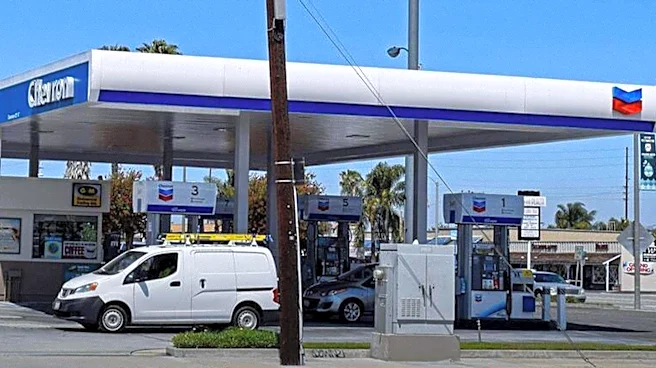
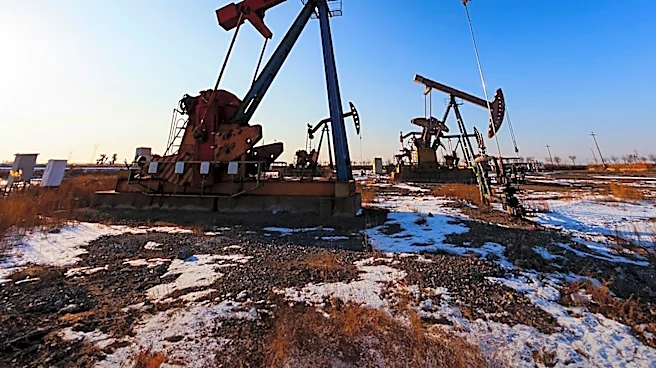
Chevron and ExxonMobil have issued warnings about sustained high fuel prices, attributing the situation to a lack of refining capacity. The companies highlight that despite the availability of crude oil, the refining bottleneck is keeping costs elevated.
This issue is compounded by geopolitical tensions and operational challenges in key regions. ExxonMobil's CEO, Darren Woods, emphasized the disconnect between crude prices and pump prices, pointing out the complexities in the energy market. The refining capacity constraints are particularly acute in the U.S., where demand for refined products remains high.
Why It's Important?
The warnings from Chevron and ExxonMobil underscore a critical issue in the energy sector: the need for increased refining capacity to meet growing demand. High fuel prices have significant implications for the U.S. economy, affecting transportation costs, consumer prices, and inflation rates. The situation highlights the vulnerability of the energy supply chain and the importance of strategic investments in refining infrastructure. As major players in the industry, Chevron and ExxonMobil's insights are crucial for policymakers and investors looking to address these challenges and stabilize the market.
What's Next?
To address the refining capacity issue, there may be increased pressure on the government and private sector to invest in expanding and modernizing refining facilities. This could involve regulatory changes to facilitate new projects and encourage technological innovations in refining processes. Additionally, the energy sector may see a push towards diversifying energy sources and improving efficiency to reduce reliance on traditional refining. Stakeholders will need to collaborate to develop sustainable solutions that balance economic growth with environmental considerations.