




What's Happening?
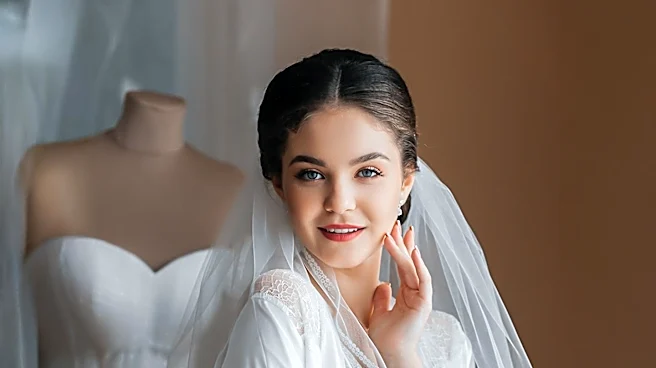
A growing trend among brides is to repurpose their wedding dresses into new garments, reflecting a shift towards sustainability and emotional connection with clothing. This movement is driven by an increased awareness of the environmental impact of the fashion
industry. Brides are finding innovative ways to give their wedding dresses a new life, such as transforming them into lingerie, christening gowns, or other wearable pieces. Dahlia Branch, founder of Remnants of Love, creates luxury bridal lingerie and keepsakes from wedding dress materials, emphasizing the emotional significance of these garments. Similarly, Pippa Cooke of Bon Bridé encourages brides to rework their dresses into items that can be worn beyond the wedding day, such as minidresses or skirts, allowing the emotional value of the dress to be preserved and enjoyed in everyday life.
Why It's Important?
This trend highlights a significant shift in consumer behavior towards sustainable fashion practices. By repurposing wedding dresses, brides are reducing waste and extending the lifecycle of their garments, which aligns with broader environmental goals. This approach not only addresses ecological concerns but also taps into the emotional value of clothing, offering brides a tangible connection to their wedding day. The fashion industry, particularly the bridal sector, may see increased demand for services that offer customization and repurposing, potentially leading to new business opportunities and innovations in sustainable fashion. This movement also reflects a cultural shift towards valuing experiences and memories over material possessions, influencing how future generations may approach fashion and consumption.
What's Next?
As more brides embrace this trend, the fashion industry may see a rise in businesses offering repurposing services. Designers and brands might expand their offerings to include post-wedding customization options, catering to this growing demand. Additionally, this trend could inspire other sectors of the fashion industry to explore similar sustainable practices, potentially leading to broader changes in how clothing is designed, marketed, and consumed. The emphasis on sustainability and emotional connection may also influence bridal fashion trends, with more brides seeking versatile designs that can be easily transformed or repurposed.
Beyond the Headlines
The movement to repurpose wedding dresses touches on deeper cultural and emotional themes. It challenges traditional notions of occasionwear as single-use and highlights the importance of clothing as a vessel for memories and personal history. This trend may encourage individuals to view their wardrobes as collections of meaningful items rather than disposable fashion. It also raises questions about the future of fashion consumption and the role of emotional attachment in sustainable practices. As society becomes more conscious of environmental issues, the fashion industry may increasingly prioritize designs that offer longevity and adaptability, fostering a more sustainable relationship with clothing.