





What's Happening?
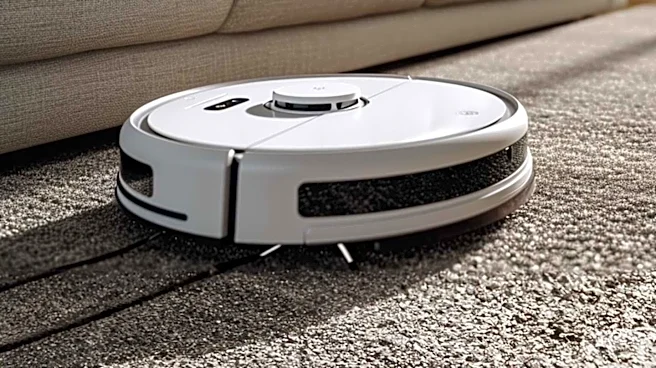
Shark has launched the PowerDetect Speed Clean and Empty Pet Pro, a cordless vacuum designed to streamline the cleaning process with its self-emptying and charging station. This new model can hold up to 45 days' worth of dirt, automatically transferring
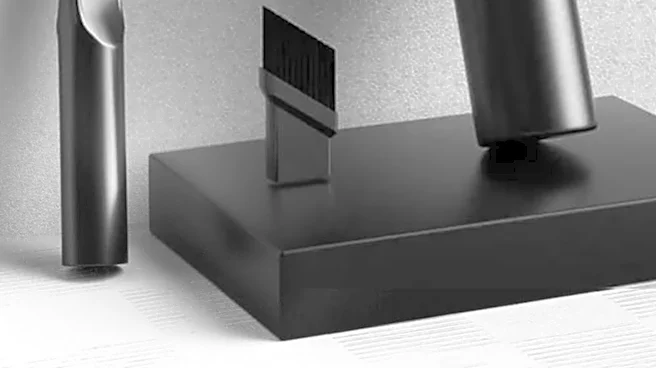
debris from the vacuum's collection bin to a larger chamber in the base station. The vacuum is equipped with detection technologies that adjust suction power based on the type of flooring and the amount of dirt detected. It also features a motorized pet tool for effective cleaning of pet hair from various surfaces. The vacuum's battery life is approximately 50 minutes in Eco mode with the motorized floor head attached, and it takes about five hours to fully charge.
Why It's Important?
The introduction of the Shark PowerDetect Speed Clean and Empty Pet Pro represents a significant advancement in home cleaning technology, particularly for households with pets or those who frequently vacuum. The self-emptying feature reduces maintenance time and effort, making it a convenient option for busy individuals. The vacuum's ability to adjust suction power based on floor type and dirt levels enhances cleaning efficiency, potentially reducing the need for multiple cleaning passes. This innovation could influence consumer expectations and drive competitors to develop similar technologies, impacting the home appliance market.
What's Next?
As Shark continues to innovate in the home appliance sector, the company may expand its product line to include more models with self-emptying capabilities. Consumer feedback on the PowerDetect Speed Clean and Empty Pet Pro will likely influence future designs and features. Additionally, competitors may respond by introducing their own versions of self-emptying vacuums, potentially leading to a broader market trend towards automation and convenience in home cleaning products.
Beyond the Headlines
The development of self-emptying vacuums like the Shark PowerDetect Speed Clean and Empty Pet Pro highlights a growing trend towards automation in household appliances. This shift could lead to increased consumer reliance on smart home technologies, raising questions about data privacy and the environmental impact of electronic waste. As more consumers adopt these technologies, manufacturers may face pressure to ensure their products are sustainable and secure.