






What's Happening?
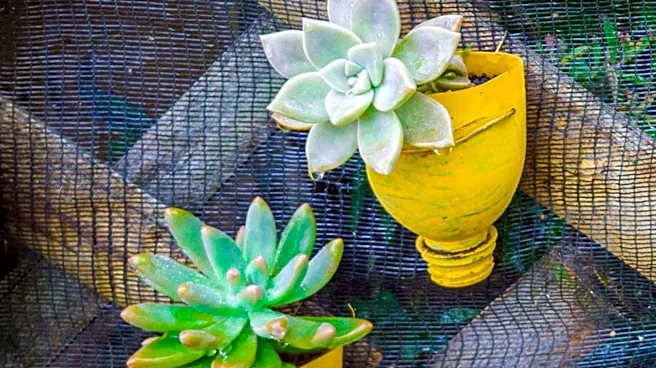
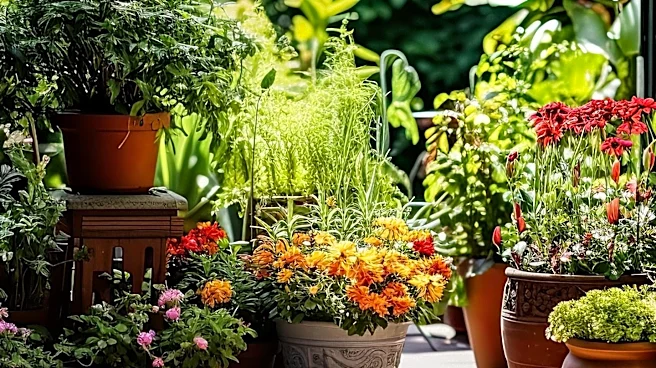
Growing vegetables at home provides access to fresh, healthy food and can be achieved even in limited spaces such as containers, raised beds, or patios. A successful home garden relies on three fundamental elements: healthy soil, adequate sunlight, and consistent
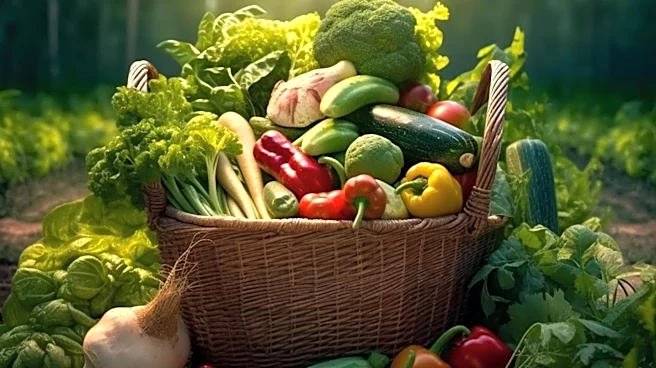
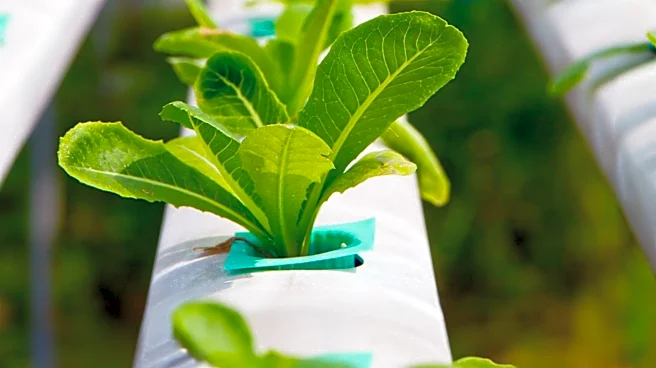
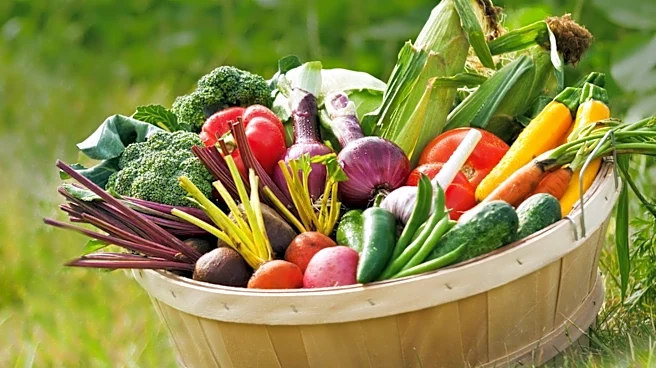
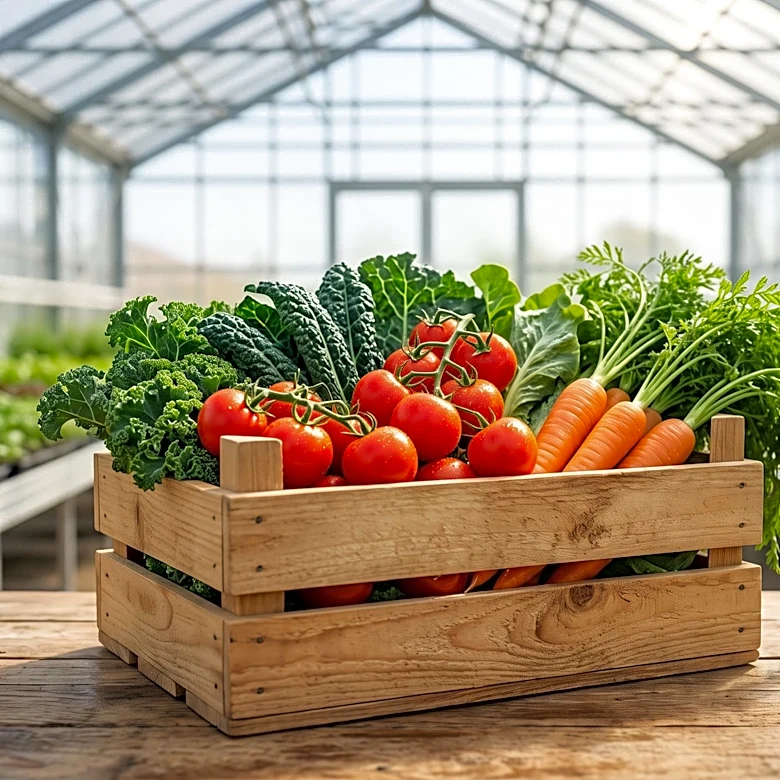
watering. Many vegetables are suitable for home cultivation, including leafy greens like lettuce, spinach, and kale, as well as root vegetables such as radishes, carrots, and beets. Warm-season crops like tomatoes, peppers, cucumbers, and zucchini can also thrive with proper care. The key to a productive garden is selecting vegetables appropriate for the local climate, available sunlight, and growing season. Beginners can start with easy-to-grow options and gradually expand their gardens. Succession planting, which involves sowing small batches of vegetables at intervals, helps ensure a continuous supply of fresh produce throughout the year.
Why It's Important?
The ability to grow one's own vegetables at home has significant implications for individual health, food security, and environmental sustainability. By cultivating fresh produce, individuals can reduce their reliance on commercially grown foods, which may contain pesticides or have traveled long distances, impacting their nutritional value and carbon footprint. Home gardening promotes healthier eating habits by making fresh, nutrient-rich vegetables readily available. It also offers a degree of food independence, allowing households to supplement their diets with homegrown produce, especially beneficial during times of economic uncertainty or supply chain disruptions. Furthermore, home gardening can foster a deeper connection to nature and an understanding of food systems, encouraging sustainable practices and reducing food waste. The flexibility of growing in small spaces makes this accessible to a broad demographic, including urban dwellers.
What's Next?
Individuals interested in starting a home vegetable garden should begin by assessing their available space, sunlight conditions, and local climate. Consulting a local planting calendar will help determine the best times to plant cool-season and warm-season vegetables. Focusing on building healthy soil through the addition of compost and ensuring consistent watering are crucial first steps. Beginners are advised to start with a few easy-to-grow vegetables like lettuce or radishes to gain experience. As gardeners become more proficient, they can explore succession planting to maintain a continuous harvest and experiment with a wider variety of crops. Protecting plants from pests and extreme weather conditions through methods like row covers or container mobility will also be important for maximizing yields and extending the growing season.
Beyond the Headlines
Beyond the immediate benefits of fresh food, home vegetable gardening contributes to broader societal trends in self-sufficiency and community resilience. It can serve as an educational tool, teaching children about plant life cycles, environmental stewardship, and healthy eating. The act of gardening itself offers therapeutic benefits, reducing stress and promoting physical activity. As concerns about food quality, origin, and environmental impact grow, home gardening provides a tangible way for individuals to exert control over their food supply and contribute to a more sustainable lifestyle. It also fosters a sense of community through sharing produce, knowledge, and resources among neighbors and local gardening groups, potentially leading to the development of more localized and resilient food networks.