


What's Happening?
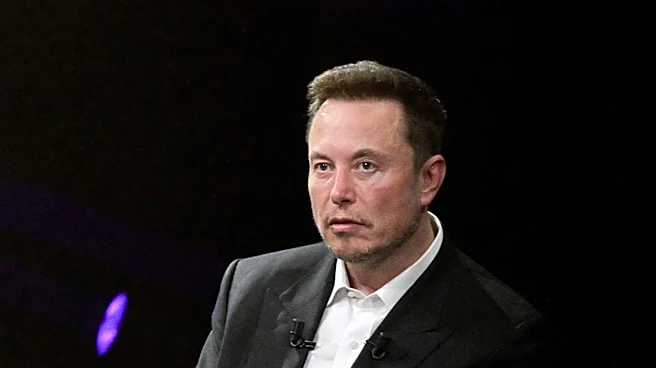
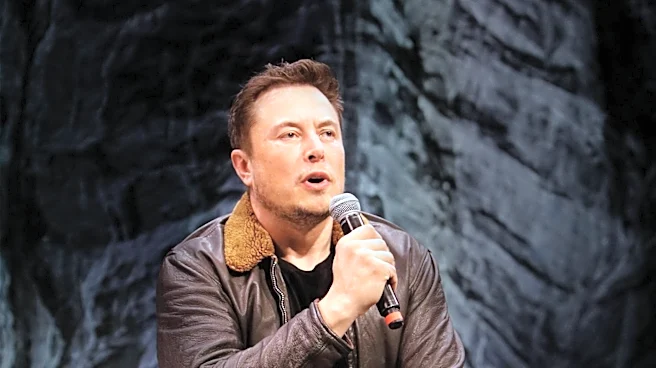
Elon Musk, through his companies, is poised to become Nvidia's largest customer by 2027, and an analyst suggests he could use this leverage to advocate for the return of Jensen Huang to Nvidia. According to Seaport Research Partners analyst Jay Goldberg,
Musk's substantial chip orders, including a commitment from SpaceX to lease Nvidia's next-generation Vera Rubin chips for approximately $40 billion over five years, could give him significant influence. SpaceX also has a major customer, Anthropic, relying on its supply of Nvidia chips, with an agreement to spend up to $120.5 billion through 2029. Musk has publicly praised Huang, comparing him to Michael Jordan, and believes there is no one who can truly replace him. While Musk is developing his own chip manufacturing facility, Terafab, mass production is not expected until late 2028 or even 2030, making Nvidia's chips crucial for his immediate AI ambitions across Tesla's humanoid robots and SpaceX's orbital data centers.
Why It's Important?
This situation highlights the immense power held by major technology consumers in shaping the leadership and strategic direction of key suppliers in the rapidly evolving AI industry. If Musk were to exert such pressure, it could set a precedent for other large customers to influence corporate governance in critical supply chains. Nvidia, a dominant player in AI chip manufacturing, could face unprecedented external pressure regarding its executive leadership. The potential for Musk to walk away from massive chip orders, as suggested by Goldberg, underscores the financial stakes involved for Nvidia. This scenario also reflects the intense competition and strategic importance of AI chip supply, as companies like SpaceX and Tesla are heavily reliant on these components for their ambitious AI projects, ranging from autonomous vehicles to space-based data centers.
What's Next?
The immediate next steps involve observing whether Elon Musk publicly links his substantial chip orders to Jensen Huang's potential return to Nvidia. While Huang has indicated a willingness to return if asked, Nvidia Chair Harvey Jones has stated that the board currently has no intention of reinstating him as CEO. The situation could escalate if Musk decides to openly pressure Nvidia's board, potentially leading to a public debate or a re-evaluation of leadership within Nvidia. Furthermore, the progress of Musk's own chip manufacturing efforts at Terafab will be a critical factor, as successful in-house production could eventually reduce his reliance on Nvidia, altering his leverage. The AI industry will closely watch how this dynamic unfolds, as it could influence future relationships between major tech companies and their critical suppliers.
Beyond the Headlines
This development touches upon broader themes of corporate influence, the concentration of power in the tech industry, and the strategic importance of AI infrastructure. The idea that a single customer, even one as prominent as Elon Musk, could potentially dictate leadership changes at a major supplier like Nvidia raises questions about corporate governance and market dynamics. It also underscores the critical role of key individuals, such as Jensen Huang, in driving technological innovation and market leadership. The reliance of Musk's diverse ventures on Nvidia's chips illustrates the interconnectedness of the modern tech ecosystem, where advancements in one sector are often dependent on foundational technologies from another. This scenario could also spark discussions about the long-term implications of such concentrated purchasing power on competition and innovation within the AI hardware market.