






What's Happening?
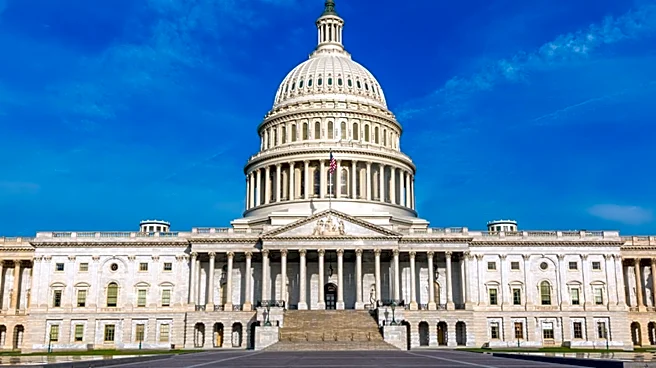
The US Department of the Treasury plays a crucial role in regulating financial activities through its oversight of the Financial Crimes Enforcement Network (FinCEN). For any fintech project, payment institution, or crypto exchange aiming to operate legally
in the United States, the initial step involves registration with FinCEN. This registration is more of a notification to the state about a company's activities rather than a full-fledged license. While the process is free and typically takes a few days to a week, registered entities must adhere to the Bank Secrecy Act (BSA), implement a stringent Anti-Money Laundering (AML) program, appoint a compliance officer, and regularly submit reports on suspicious activities. This federal registration is a foundational requirement, but it does not exempt companies from the need to obtain additional Money Transmitter Licenses (MTL) in each individual state where they intend to operate, which can be a more complex and costly endeavor.
Why It's Important?
This regulatory framework is vital for maintaining the integrity of the U.S. financial system and combating illicit financial activities such as money laundering and terrorist financing. By requiring FinCEN registration and adherence to BSA and AML protocols, the Treasury Department aims to create a transparent and secure environment for financial transactions. The decentralized nature of U.S. financial regulation, with both federal and state-level requirements, significantly impacts market entry strategies for financial technology companies. While federal registration is accessible, the subsequent need for state-specific licenses can pose substantial financial and operational challenges, particularly for smaller startups or international entities. This dual-layered regulatory approach influences investment decisions, operational costs, and the overall competitiveness of the U.S. financial sector, ensuring that all participants meet rigorous standards designed to protect consumers and national security.
What's Next?
Companies seeking to operate in the U.S. financial sector will continue to navigate this two-tiered regulatory system. After FinCEN registration, the next critical step involves securing individual Money Transmitter Licenses (MTLs) in each state where services will be offered. This process often entails significant investment in legal counsel, compliance infrastructure, and potentially surety bonds or minimum equity requirements, depending on state regulations. For foreign financial companies, the path is even more complex, as many states are reluctant to issue licenses to non-U.S. legal entities, and obtaining fiat accounts from American banks can be challenging without a local presence. The ongoing evolution of financial technology, particularly in areas like cryptocurrency, will likely lead to continuous adjustments and clarifications in these regulatory requirements, as authorities strive to balance innovation with robust oversight.
Beyond the Headlines
The U.S. Treasury Department's regulatory approach, particularly through FinCEN, highlights a broader tension between fostering innovation in the fintech sector and ensuring comprehensive financial security. The emphasis on decentralized state-level licensing, while intended to address diverse local needs and risks, can inadvertently create significant barriers to entry and operational complexities for businesses. This structure can favor larger, well-resourced companies capable of navigating extensive compliance requirements, potentially stifling competition and innovation from smaller players. Furthermore, the strict AML and BSA requirements reflect a global commitment to combating financial crime, but their implementation necessitates substantial investment in technology and personnel, raising questions about the proportionality of these burdens on emerging financial services. The ongoing challenge for policymakers is to streamline these processes without compromising the fundamental goals of financial stability and security, especially as digital assets and cross-border transactions become more prevalent.