




What's Happening?
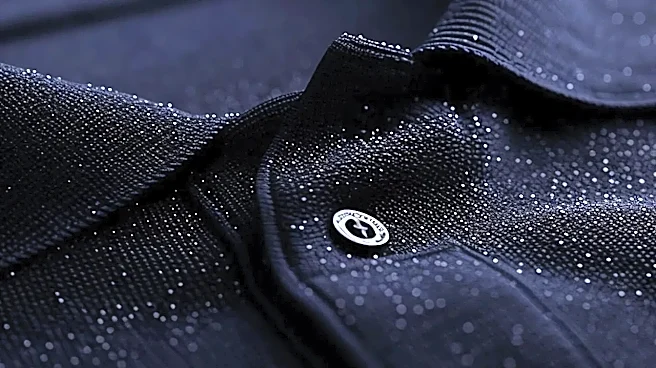
Fashion designers are increasingly integrating Autonomous Sensory Meridian Response (ASMR) elements into their runway shows, transforming clothing into a source of soothing sounds and tactile experiences. At Yuima Nakazato’s spring/summer 2026 haute couture
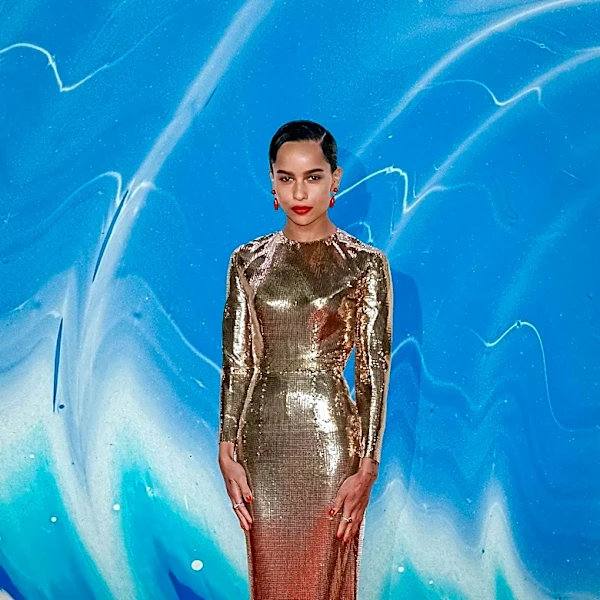
show, models wore garments adorned with hand-sculpted ceramic beads that chimed as they moved, creating an audible soundtrack. Paloma Wool featured models showcasing clothing against microphones for an ASMR experience in 2024. Other designers like Simone Rocha have presented shoes with bells, Celine has showcased paillette dresses that rustle, and Jean Paul Gaultier's collections include garments with softly jingling bells. Maison Margiela even featured a shattered porcelain dress that emitted the sound of broken glass. This trend highlights a shift towards engaging senses beyond just sight, with designers aiming to create a more immersive and calming experience for audiences amidst a digitally saturated world. The historical context reveals that fashion has long utilized sound and texture, with examples such as medieval European garments with bells and the rustling skirts of the 1850s signifying status.
Why It's Important?
This trend signifies a notable evolution in the fashion industry's approach to presentation and consumer engagement. By incorporating ASMR, designers are moving beyond purely visual aesthetics to create a multi-sensory experience, potentially fostering a deeper emotional connection with their collections. This shift could influence how fashion is perceived and consumed, moving towards a more experiential model where the feel and sound of garments are as crucial as their visual appeal. For consumers, it offers a unique, calming, and immersive experience that contrasts with the often fast-paced and visually overwhelming nature of modern life. This could also open new avenues for product development, focusing on materials and designs that inherently produce pleasing sounds or textures. The emphasis on sensory engagement might also reflect a broader cultural desire for mindfulness and a break from constant digital stimulation, positioning fashion as a medium for relaxation and heightened awareness.
What's Next?
The integration of ASMR into fashion is likely to continue evolving, with designers exploring more innovative ways to incorporate sound and texture into their collections. This could lead to new collaborations between fashion houses and sound artists or material scientists to develop novel fabrics and embellishments that enhance auditory and tactile sensations. We might see a rise in interactive fashion installations where the audience can directly engage with garments to experience their ASMR qualities. Furthermore, the trend could extend beyond high fashion into ready-to-wear, influencing mainstream clothing design to include more sensory-rich elements. Fashion shows may increasingly become immersive performances, prioritizing the overall sensory journey over traditional visual displays. This could also prompt a re-evaluation of how fashion is marketed, with a greater focus on experiential campaigns that highlight the auditory and tactile aspects of clothing.
Beyond the Headlines
Beyond the immediate trend, the embrace of ASMR in fashion points to a deeper cultural yearning for authenticity and sensory engagement in an increasingly digital and often desensitizing world. It challenges the traditional visual-centric paradigm of fashion, suggesting a move towards a more holistic and embodied experience of clothing. This development could have ethical implications, encouraging designers to consider the full sensory impact of their creations, including the environmental sounds produced by materials. Legally, it might prompt discussions around intellectual property for unique sound designs associated with garments. Culturally, it reflects a broader societal shift towards valuing well-being and mindfulness, where even everyday objects like clothing can contribute to a sense of calm and presence. This could lead to a redefinition of luxury, where sensory richness and emotional resonance become as important as brand prestige or material value.