



What's Happening?
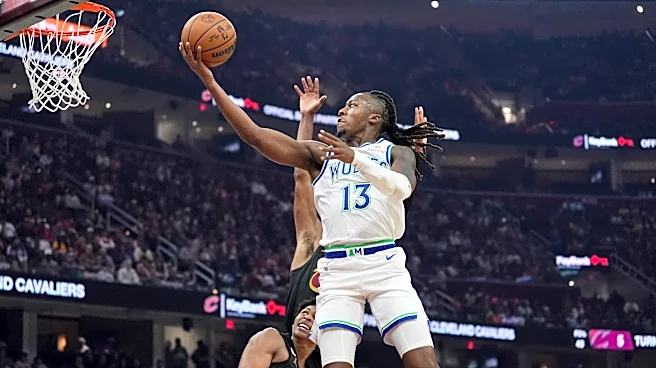
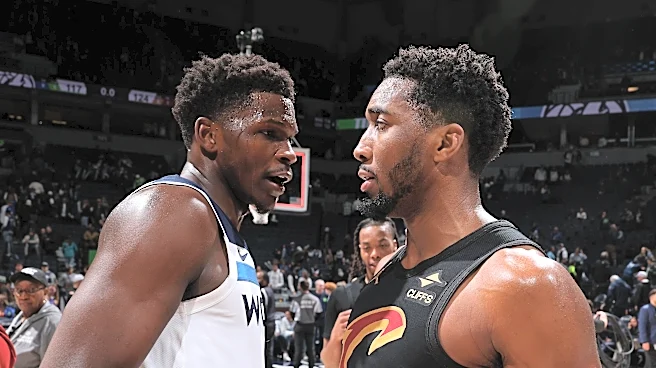
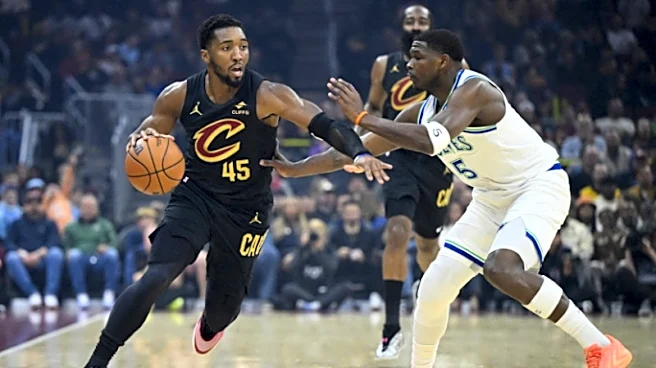
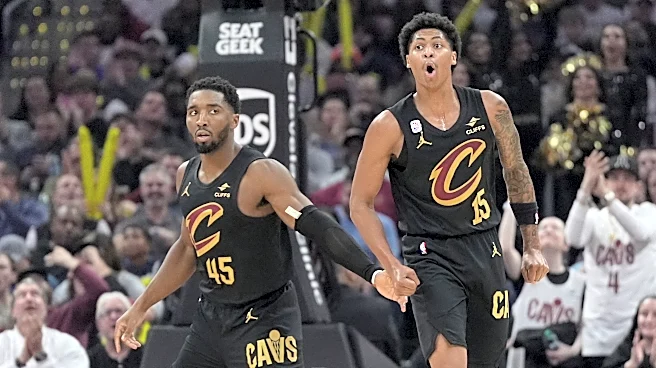
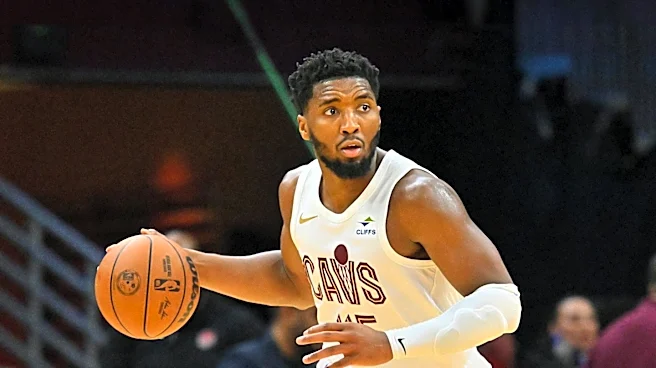
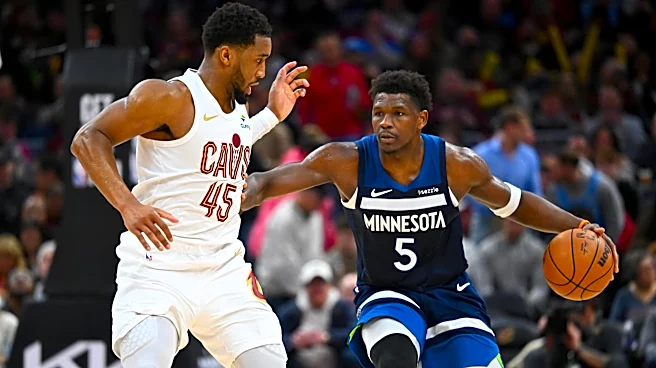
The National Basketball Association (NBA) has identified two officiating errors that favored the Cleveland Cavaliers in their 127-125 overtime victory against the Minnesota Timberwolves. According to the NBA's Last Two Minute Report, one error occurred
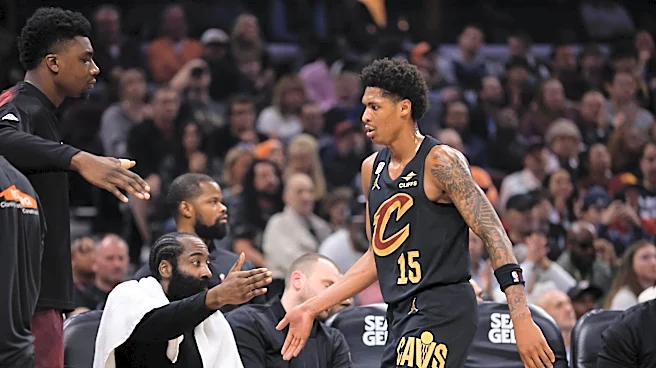
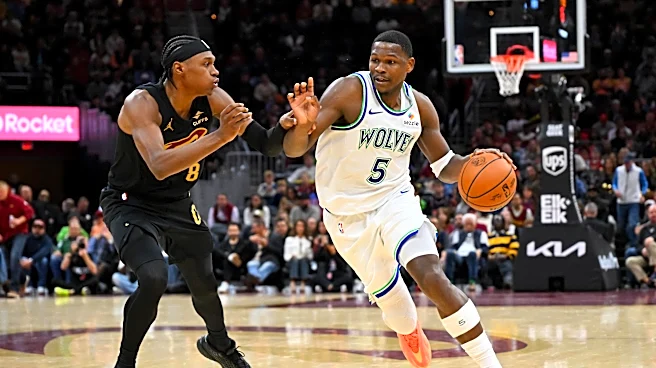
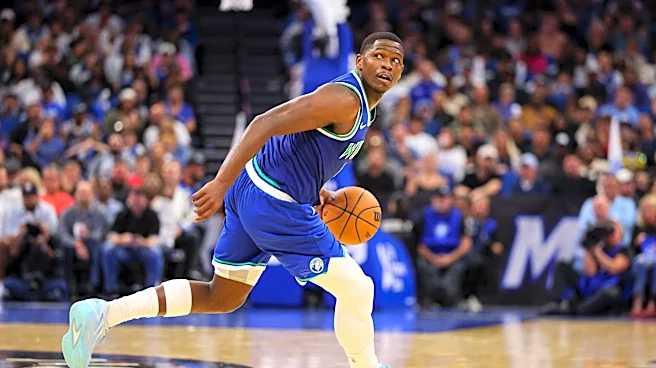
near the end of regulation when a foul on Anthony Edwards of the Timberwolves was not called, which should have sent him to the free-throw line. The report stated that James Harden (CLE) initiated contact with Edwards' arm, affecting his shot attempt. The second error happened in overtime when a foul was incorrectly called on LaMelo Ball during a possession involving Donovan Mitchell. The league determined that the contact was incidental and the play should have continued without a whistle. These findings were released on Tuesday, following the Monday night game. The report also reviewed other contested moments, such as a non-flagrant foul call on Mitchell against Jonathan Kuminga, which was upheld.
Why It's Important?
This admission by the NBA highlights the critical impact of officiating decisions in close games and raises questions about game outcomes. For the Timberwolves, these uncalled or miscalled fouls represent missed opportunities that could have altered the game's result, potentially costing them a victory. For the Cavaliers, while they secured the win, the report casts a shadow on the fairness of the outcome, potentially affecting perceptions of their performance. Such reports are crucial for transparency and accountability within professional sports, as they acknowledge human error in high-stakes environments. The integrity of the game relies on consistent and accurate officiating, and these identified errors underscore the challenges in achieving that, even with advanced review mechanisms. It also impacts fan confidence and the competitive balance of the league.
What's Next?
While the NBA's Last Two Minute Report provides transparency, it does not alter the outcome of the game. The Cavaliers' victory stands, and the Timberwolves will not have the result overturned. The league's acknowledgment of these errors typically serves to inform future officiating training and review processes, aiming to reduce similar mistakes in subsequent games. Teams and players will likely continue to advocate for consistent officiating, and the report may fuel discussions among coaches and analysts regarding the impact of specific calls. Fans and media will also use these reports to scrutinize game results and officiating standards. The focus will now shift to how these insights are integrated into referee performance evaluations and rule interpretations to ensure fairer play in upcoming matches.
Beyond the Headlines
The NBA's practice of releasing Last Two Minute Reports delves deeper than just individual game outcomes; it touches upon the broader ethical and structural aspects of professional sports. The consistent identification of officiating errors, even if they don't change game results, can erode public trust in the fairness of competition. This transparency, while commendable, also exposes the inherent difficulties in officiating fast-paced, high-stakes games. It prompts a discussion about the role of technology in sports officiating, such as increased use of replay or even AI-assisted decision-making, to minimize human error. Furthermore, it highlights the psychological pressure on referees and the subjective nature of certain calls, which can be influenced by game momentum and player reputation. The ongoing debate about officiating accuracy is a testament to the significant financial and emotional investment stakeholders have in the integrity of professional basketball.