






What's Happening?
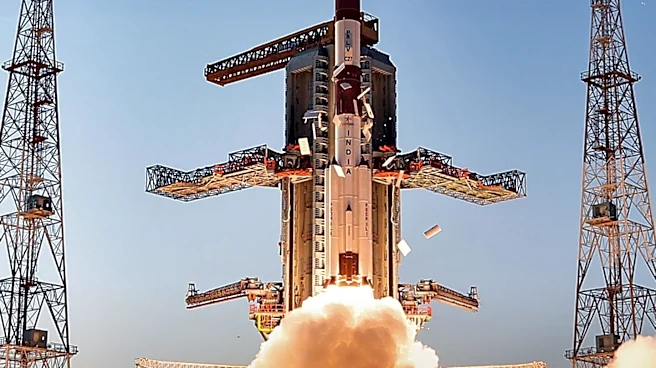
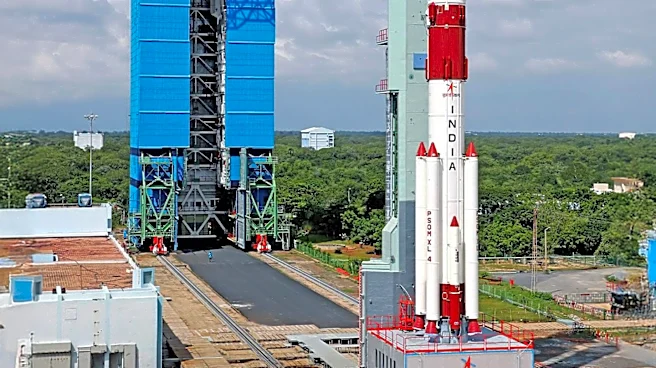
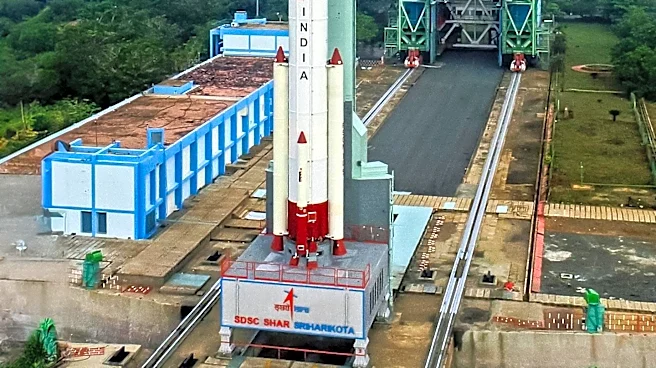
Andhra Pradesh is developing a ₹25,000 crore space city near India's Sriharikota launch pad, spanning Sri Sathya Sai and Tirupati districts. This initiative aims to create an ecosystem for private sector space technology startups and micro, small, and medium
enterprises (MSMEs). The state recently signed deals worth ₹1,800 crore at the 31st CII Partnership Summit, attracting major companies like Astrobase Space Technologies, Bellatrix Aerospace, Agnikul Cosmos, and Hathor Rockets. These investments cover rocket engine manufacturing, testing, and propulsion research and development. Astrobase Space Technologies, for instance, plans an ₹800 crore expansion of its commercial rocket engine test facility, adding 339 acres to its existing site and promising 500 direct jobs by December 2030. Bellatrix Aerospace is setting up an advanced programs center for satellites and propulsion with a ₹550 crore investment, creating 565 jobs by December 2030. Agnikul Cosmos is planning a ₹510 crore facility for rocket launches and orbital data center manufacturing, while Hathor Rockets will establish a ₹250 crore rocket engine manufacturing, testing, and R&D facility.
Why It's Important?
This ambitious project positions Andhra Pradesh as a significant hub in India's burgeoning private space sector, fostering innovation and job creation. By establishing a dedicated space city close to the Sriharikota launch pad, the state aims to achieve vertical and horizontal integration, bringing component suppliers and rocket makers into a single ecosystem. This strategy is crucial for reducing logistical complexities and accelerating the development cycle for space technologies. The substantial investments from private companies underscore the growing confidence in India's private space industry and its potential to compete globally. The creation of numerous direct jobs, along with the development of advanced manufacturing and R&D facilities, will boost the regional economy and attract skilled talent. This initiative also highlights a competitive trend among Indian states, with Karnataka, Tamil Nadu, Gujarat, and Telangana also pursuing similar space-related development plans, indicating a broader national push towards strengthening India's position in the global space transportation ecosystem.
What's Next?
The immediate next steps involve the establishment and operationalization of the various facilities by the signatory companies, with specific job creation targets set for December 2030 and December 2031. Astrobase Space Technologies will proceed with its ₹800 crore expansion, focusing on reusable launch vehicle technologies. Bellatrix Aerospace will develop its advanced programs center, and Agnikul Cosmos will build its facility for rocket launches and orbital data center manufacturing. Hathor Rockets will set up its R&D and manufacturing unit for liquid engines. The state government will continue to provide incentives and support, leveraging its Andhra Pradesh Space Policy 4.0 (2025–30) and a ₹100 crore SpaceTech Fund. The success of this space city could serve as a model for other states and further attract international collaborations, potentially leading to India becoming a leading force in global space transportation.
Beyond the Headlines
The development of this space city signifies a strategic shift in India's space program, moving beyond a predominantly government-led model to one that actively integrates and empowers the private sector. This shift could lead to increased efficiency, faster innovation cycles, and a more competitive global presence for India in space technology. Ethically, it raises questions about the balance between commercial interests and national strategic goals in space exploration. Environmentally, the concentration of rocket manufacturing and testing facilities will require careful management to mitigate potential impacts. Culturally, the project could inspire a new generation of scientists and engineers, fostering a 'space-age' ambition within the country. Long-term, this initiative could transform Andhra Pradesh into a high-tech industrial hub, diversifying its economy and creating a ripple effect of technological advancements across various sectors.