





What's Happening?
Kyoto, Japan, is highlighted as a premier destination for travelers seeking cultural immersion and historical exploration. The city, which served as Japan's imperial capital for over a thousand years, is home to 17 UNESCO World Heritage sites. Key attractions
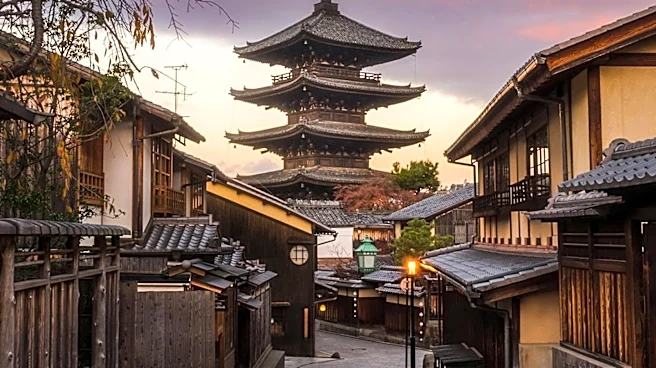
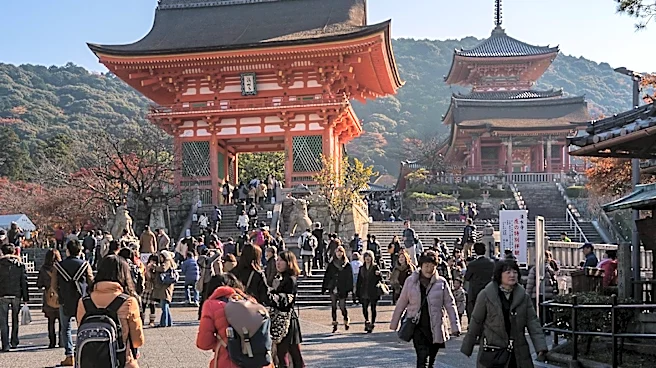
include the Fushimi Inari Shrine with its thousands of red torii gates, the serene Arashiyama Bamboo Grove, the iconic Kinkaku-ji (Golden Pavilion), and the Kiyomizu-dera Temple known for its wooden terrace offering panoramic views. Beyond these well-known sites, Kyoto provides opportunities for traditional experiences such as tea ceremonies and kimono rentals. The city also boasts a refined culinary scene, with options ranging from Nishiki Market's street food to multi-course Kaiseki dining. Visitors can explore historic districts like Gion, known for its geisha culture, and discover quieter areas such as Ohara village and the Philosopher's Path for a more tranquil experience. The blend of ancient traditions with modern amenities, set against a backdrop of changing seasonal landscapes, makes Kyoto a unique travel destination.
Why It's Important?
Kyoto's significance lies in its role as a cultural and historical heartland of Japan, offering a deep dive into the country's heritage. For international tourism, particularly from the U.S., Kyoto represents an essential component of any Japanese itinerary, providing a stark contrast to the modernity of cities like Tokyo. The preservation of its traditional architecture, gardens, and cultural practices, such as tea ceremonies and geisha culture, offers invaluable educational and experiential opportunities. The city's commitment to maintaining its historical integrity while accommodating modern tourism contributes to a sustainable cultural economy. The influx of tourists supports local artisans, traditional businesses, and the hospitality sector, reinforcing the economic viability of cultural preservation efforts. Furthermore, Kyoto's appeal as a destination for both headline attractions and hidden gems caters to diverse traveler preferences, ensuring its continued importance in the global tourism landscape.
What's Next?
For those planning a visit to Kyoto, the recommendation is to allocate at least three to four days to fully experience its offerings, allowing for exploration beyond the main tourist spots. The best times to visit are spring (late March to early April) for cherry blossoms and autumn (November) for vibrant maple leaves, though these periods are also the busiest. May and early June offer pleasant weather with fewer crowds. Travelers are advised to book accommodations and certain cultural experiences, like tea ceremonies, in advance, especially during peak seasons. Practical tips for visitors include carrying cash, utilizing IC cards for public transport, and being mindful of local etiquette. The city's official congestion forecast can help in planning visits to popular sites during less crowded times. Continued efforts in promoting sustainable tourism and managing visitor flow will likely be a focus to preserve Kyoto's charm while accommodating its growing popularity.
Beyond the Headlines
Beyond its picturesque temples and gardens, Kyoto embodies a profound philosophy of harmony between nature and human endeavor, evident in its meticulously maintained landscapes and traditional crafts. The city's enduring appeal reflects a global appreciation for authenticity and historical depth in an increasingly modernized world. The concept of 'monozukuri' (making things with passion and precision), deeply ingrained in Japanese culture, is palpable in Kyoto's artisanal traditions, from pottery to textile dyeing. This cultural ethos extends to its culinary arts, where seasonal ingredients and refined techniques are celebrated. The preservation of districts like Gion, despite modernization pressures, highlights a societal commitment to safeguarding intangible cultural heritage. Kyoto serves as a living museum, offering insights into the evolution of Japanese aesthetics, spirituality, and daily life, making it a destination that enriches visitors beyond mere sightseeing by fostering a deeper understanding of a unique cultural identity.