







What's Happening?
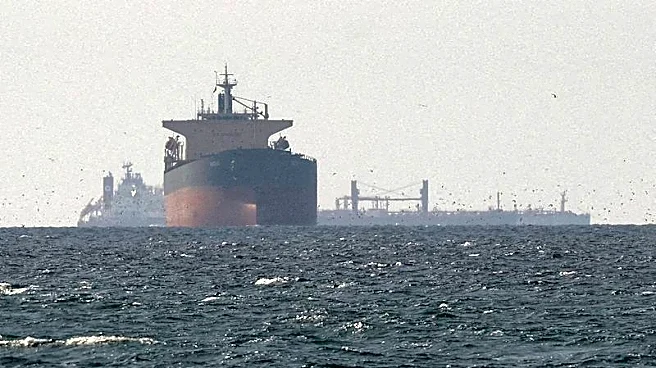
Gas prices in the United States have started to decline following a preliminary peace deal between the U.S. and Iran, which includes reopening the Strait of Hormuz. The national average price of gasoline has fallen below $4 per gallon, marking a significant
decrease from previous months. This drop is attributed to the easing of tensions and the potential for increased oil flow through the strait. However, experts warn that price volatility may continue as negotiations between the U.S. and Iran progress. The agreement's impact on global energy supplies is being closely monitored, with the potential for further price adjustments based on the outcome of these talks.
Why It's Important?
The reduction in gas prices provides relief to American consumers who have been facing high fuel costs. Lower energy prices can stimulate economic activity by reducing transportation costs for businesses and consumers. However, the situation remains fluid, with the potential for future price fluctuations depending on the stability of the agreement and the reopening of the Strait of Hormuz. The deal's success could lead to more stable energy markets, benefiting both the U.S. economy and global oil supply chains.
What's Next?
The U.S. and Iran will continue negotiations to finalize the terms of the agreement, with a focus on ensuring the long-term stability of oil flows through the Strait of Hormuz. The outcome of these talks will influence future gas prices and energy market dynamics. In the meantime, consumers are encouraged to take advantage of current price reductions and explore ways to mitigate future fuel costs, such as joining fuel rewards programs or using gas credit cards.