




What's Happening?
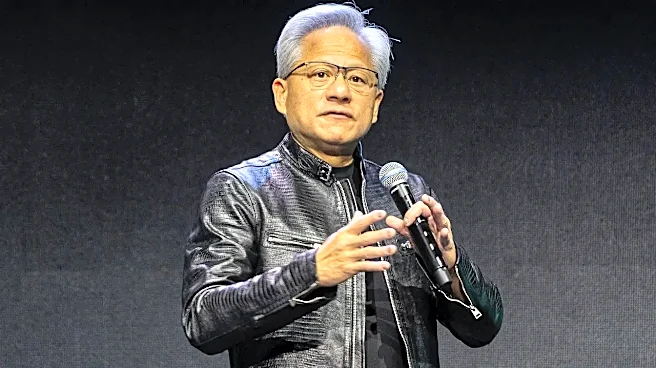
Billionaire David Tepper's Appaloosa Management made significant adjustments to its U.S. equity portfolio during the third quarter. The hedge fund initiated a new position in Oracle (ORCL) by adding 1.25 million shares and increased its holdings in NVIDIA
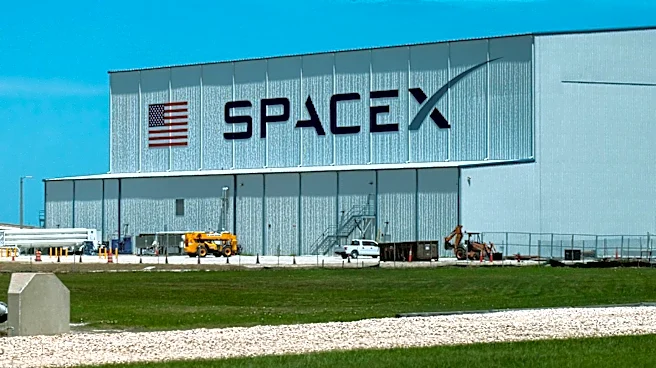
(NVDA) from 1.53 million to 2 million shares. Appaloosa also expanded its investments in SpaceX, Micron Technology, and Lam Research, with its SpaceX position growing substantially from 225,000 to 3.88 million shares. Concurrently, the firm divested its entire stake in Advanced Micro Devices (AMD), selling 197,500 shares, and also exited positions in Broadcom, Qualcomm, Whirlpool, and Goodyear Tire & Rubber. Additionally, Appaloosa trimmed its holdings in Alphabet (GOOGL) from 1.85 million to 1 million shares, and reduced investments in Amazon, NRG Energy, and American Airlines.
Why It's Important?
These portfolio adjustments by a prominent hedge fund like Appaloosa Management can signal shifts in investment sentiment within the technology sector and broader market. The increased allocation to Oracle and NVIDIA suggests a bullish outlook on these companies, particularly given their roles in the AI and cloud computing landscapes. NVIDIA remains a key player in AI hardware, while Oracle is heavily investing in AI data centers. Conversely, the complete divestment from AMD and other companies indicates a potential re-evaluation of their growth prospects or a reallocation of capital to perceived higher-growth opportunities. Such moves by influential investors can influence market trends, as other institutional and retail investors may follow suit, impacting stock prices and sector performance. The substantial increase in SpaceX holdings also highlights a growing interest in private space technology ventures.
What's Next?
The market will be closely watching the performance of Oracle and NVIDIA in the coming quarters to see if Appaloosa's increased investment yields positive returns. Future 13F filings will reveal whether Tepper maintains or further adjusts these positions, providing more insight into his long-term strategy. The companies from which Appaloosa divested, such as AMD and Broadcom, may face increased scrutiny from investors, potentially leading to downward pressure on their stock prices if other large funds follow suit. This portfolio reshuffling could also prompt broader discussions among analysts about the relative strengths and weaknesses of various tech giants in the current economic climate and the ongoing AI arms race. The significant increase in SpaceX holdings suggests a growing trend of institutional investment in private, high-growth technology companies.
Beyond the Headlines
Appaloosa's portfolio changes reflect a strategic pivot towards companies perceived to be at the forefront of the artificial intelligence revolution, such as NVIDIA and Oracle, while reducing exposure to others. This could indicate a belief that the AI sector will continue to drive significant market growth, justifying substantial investments despite potential risks. The move also highlights the dynamic nature of hedge fund strategies, constantly adapting to market conditions and technological advancements. From a broader economic perspective, such concentrated bets by major funds can amplify market volatility and create self-fulfilling prophecies in certain sectors. The increased stake in SpaceX also points to a growing institutional appetite for private market investments, blurring the lines between public and private equity strategies and potentially influencing future capital allocation trends across the investment landscape.