









What's Happening?
The practice of upcycling furniture is gaining traction as a method to reduce municipal solid waste in the U.S. Upcycling involves transforming existing or discarded items into new products, often with enhanced value. This approach directly addresses
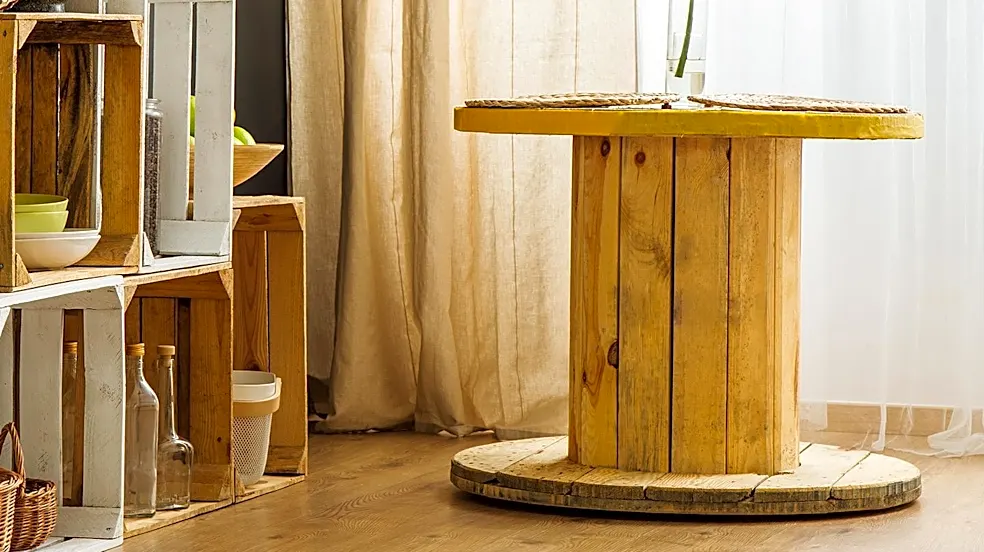
the significant volume of furniture and textiles that end up in landfills annually. For instance, in 2018, furniture and furnishings constituted 12.1 million tons of U.S. municipal solid waste, with 80.1% of this material being landfilled. Similarly, textiles accounted for approximately 17 million tons of waste in the same year, with 11.3 million tons going to landfills. By choosing to upcycle, individuals can prevent these items from contributing to waste streams. Examples include refinishing an old dresser with low-VOC paint and new hardware, or repurposing a vintage side table with a fresh coat of paint and stain, as demonstrated by My Repurposed Life. This method not only diverts waste but also often results in unique, high-quality pieces, as vintage furniture is frequently constructed with more durable materials like solid wood joinery compared to modern alternatives.
Why It's Important?
The emphasis on upcycling furniture is crucial for environmental sustainability and resource conservation in the U.S. The substantial amount of furniture and textile waste entering landfills highlights a pressing need for more circular economy practices. By extending the lifespan of existing items, upcycling reduces the demand for new manufacturing, which in turn conserves raw materials, energy, and minimizes pollution associated with production and transportation. This movement also offers economic benefits, as upcycling can be a cost-effective way to furnish homes compared to purchasing new items. Furthermore, it fosters creativity and craftsmanship, allowing individuals to personalize their living spaces with unique pieces that often possess a higher quality and character than mass-produced goods. The shift towards upcycling also encourages a mindful consumption culture, prompting consumers to consider the end-of-life impact of their purchases and prioritize reuse over disposal.
What's Next?
The trend of upcycling is expected to continue growing, driven by increasing environmental awareness and the desire for unique, sustainable home decor solutions. Consumers are likely to see more resources and workshops dedicated to furniture restoration and creative repurposing. Online platforms and local communities may further facilitate the exchange of discarded furniture and materials, making it easier for individuals to acquire items for upcycling projects. Additionally, there could be a rise in businesses specializing in upcycled furniture, offering professionally restored and redesigned pieces. Educational initiatives promoting zero-waste home decor ideas, such as those highlighted by Green Mode Life, will likely expand, encouraging more people to adopt practices like shopping secondhand, repurposing household items, and utilizing natural, biodegradable materials. This sustained interest could lead to a measurable reduction in landfill contributions from furniture and textiles in the coming years.
Beyond the Headlines
Beyond its immediate environmental and economic benefits, the upcycling movement signifies a broader cultural shift towards valuing longevity, craftsmanship, and individuality over disposable consumerism. It challenges the prevailing 'buy new, discard old' mentality by encouraging a deeper appreciation for the history and potential of existing objects. This shift can foster a sense of connection to one's belongings and a more sustainable lifestyle. Ethically, upcycling promotes responsible consumption and production, aligning with principles of environmental stewardship. Legally, increased upcycling could influence waste management policies and potentially lead to incentives for businesses and individuals who engage in reuse and repurposing. Culturally, it reintroduces traditional skills of repair and restoration, empowering individuals to become creators rather than just consumers, and transforming homes into reflections of personal values and creativity rather than mere showcases of mass-produced goods.