

What's Happening?
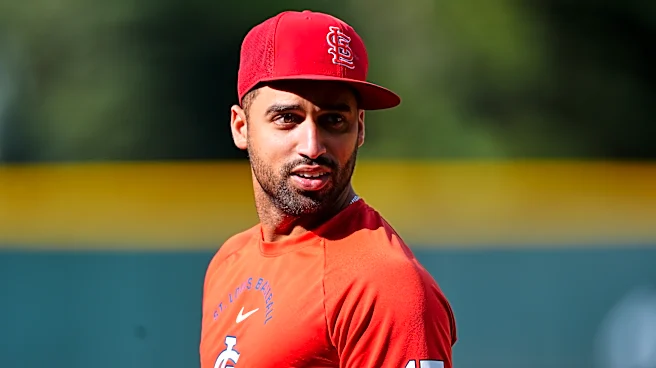
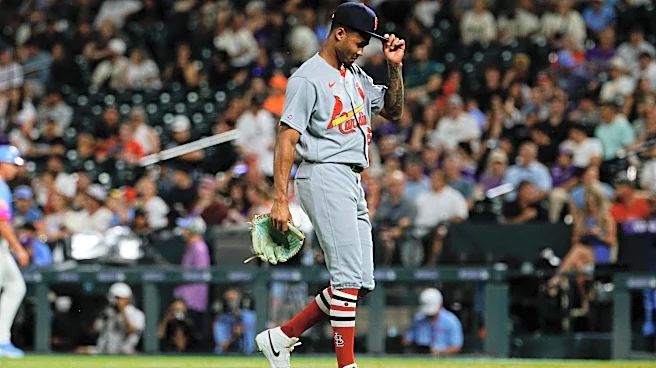
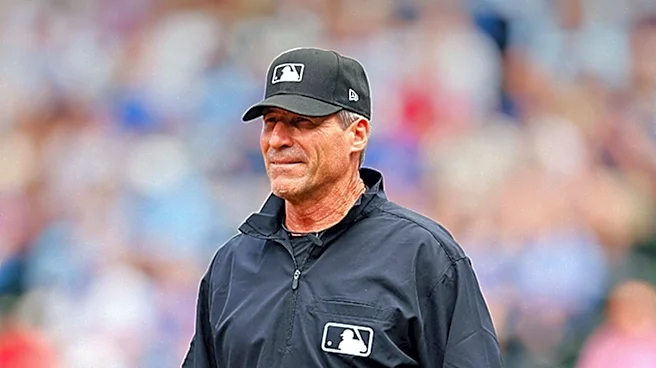
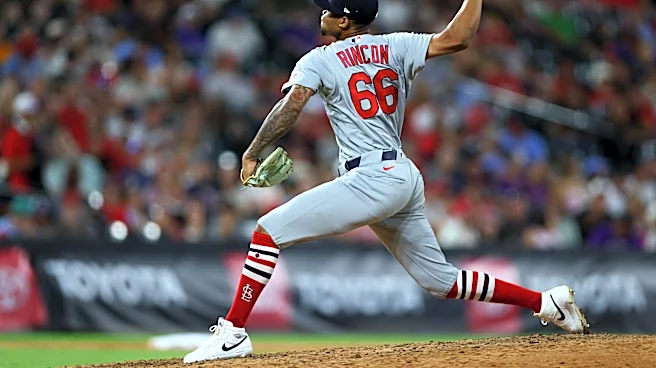
Umpire Doug Eddings issued an apology to St. Louis Cardinals rookie pitcher Hancel Rincon following an incident during a game where Eddings instructed Rincon to straighten his cap. The directive came during the sixth inning of the Cardinals' 7-6 victory
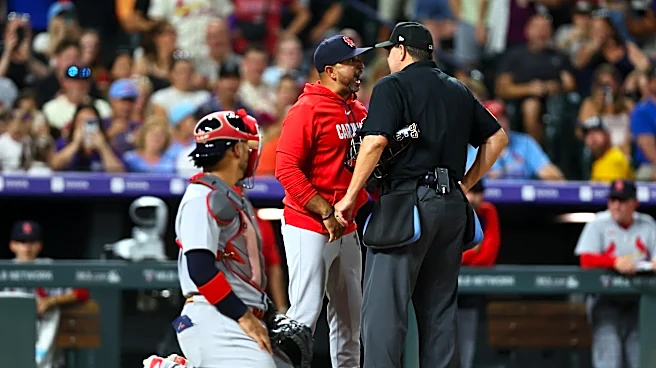
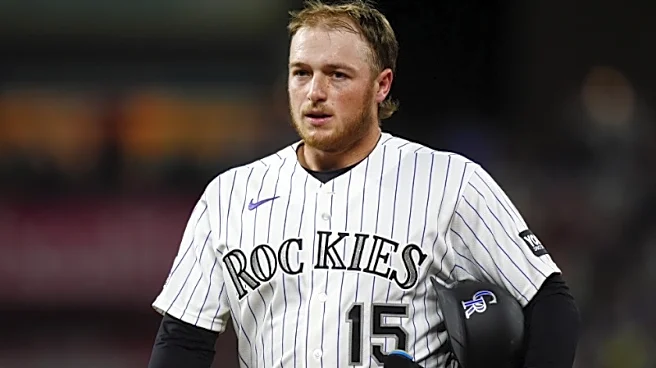
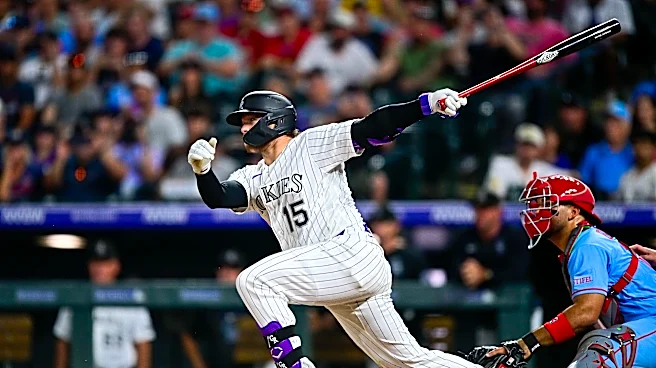
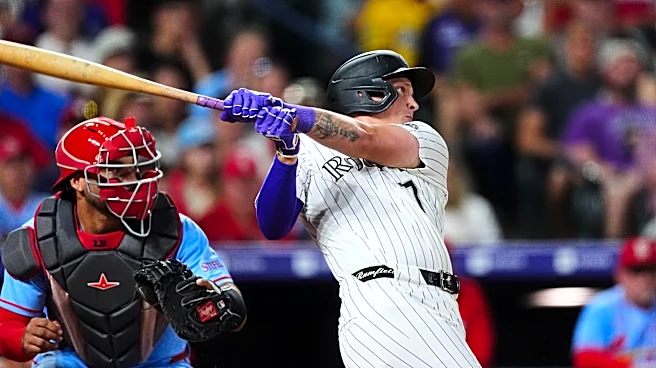
over the Colorado Rockies. Major League Baseball reportedly intervened, informing Eddings that his actions were inappropriate. The situation escalated when Cardinals manager Oliver Marmol argued with Eddings and was subsequently ejected. Rincon confirmed that Eddings apologized for the events and wished him well in his career, stating the interaction was not personal. The cap issue occurred during Rincon's major league debut, where Eddings called a timeout to address the tilted cap after Rincon had already allowed a triple and a wild pitch. Following the cap adjustment, Cole Carrigg hit an inside-the-park home run, and Rincon was removed from the game after allowing another hit. Rockies catcher Hunter Goodman denied making any comment about Rincon's headwear, despite Eddings' post-game statement.
Why It's Important?
This incident highlights the delicate balance of authority and professionalism within Major League Baseball, particularly concerning interactions between umpires and players. The MLB's intervention and the subsequent apology from Umpire Doug Eddings underscore the league's commitment to maintaining fair play and ensuring that rules are enforced without undue interference or personal bias. For rookie pitcher Hancel Rincon, this event, occurring during his major league debut, could have significant psychological impacts, potentially affecting his confidence and perception of the league. The show of solidarity from Cardinals players, who wore their caps with brims turned to the left, and even some Rockies players and fans, demonstrates the strong camaraderie within the sport and the collective response to perceived injustices. This event also brings into question the discretion of umpires and the need for clear guidelines on what constitutes appropriate intervention during a game, especially when it might inadvertently affect a player's performance or focus.
What's Next?
Following the apology, it remains unclear if Major League Baseball will take further disciplinary action against Umpire Doug Eddings. The league's communication with Eddings regarding the inappropriateness of his actions suggests that internal reviews or guidelines may be reinforced. Hancel Rincon, after his statistically challenging major league debut, has been optioned to Triple-A Memphis, with left-hander Cooper Hjerpe promoted to fill his roster spot. Rincon's focus will now be on his performance in the minor leagues to earn another opportunity in the majors. The incident may prompt MLB to review and clarify protocols for umpire-player interactions, particularly concerning minor uniform infractions that could disrupt the flow of a game or unfairly target a player. Teams and players will likely continue to advocate for consistent and fair application of rules, ensuring that such incidents do not overshadow the game itself.
Beyond the Headlines
The 'cap incident' transcends a simple uniform infraction, touching upon broader themes of respect, authority, and the psychological pressures faced by athletes, especially rookies, in high-stakes professional environments. The public nature of the umpire's intervention and the subsequent apology, driven by MLB's involvement, reflects a growing emphasis on accountability within sports officiating. This event could contribute to a larger conversation about the role of umpires in modern baseball, moving towards a more facilitative and less intrusive approach to game management. Furthermore, the collective response from players and fans in support of Rincon highlights the power of solidarity and the community aspect of sports, where perceived unfairness can galvanize support. This incident also subtly underscores the mental game in baseball, where even minor distractions can have significant consequences on a player's performance, particularly for those making their debut under immense pressure. It serves as a reminder that the human element, both on the field and in the stands, plays a crucial role in the narrative and experience of professional sports.