




What's Happening?
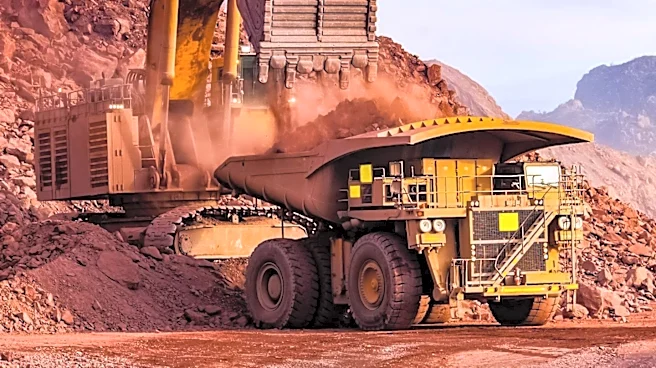
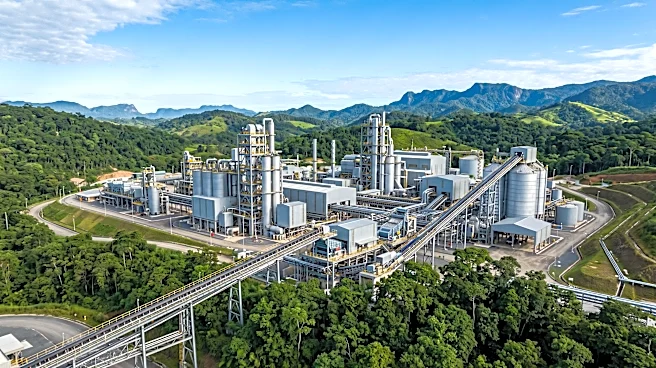
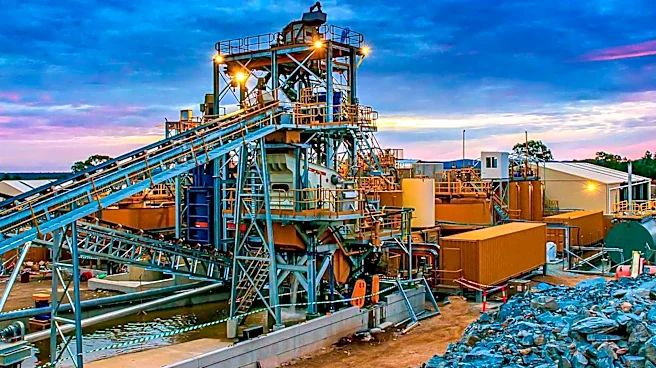
Mining and metals companies are focusing on optimizing their critical minerals operations to address challenges such as variable feedstocks, complex processes, equipment performance, and energy use. Critical minerals are vital for industries including
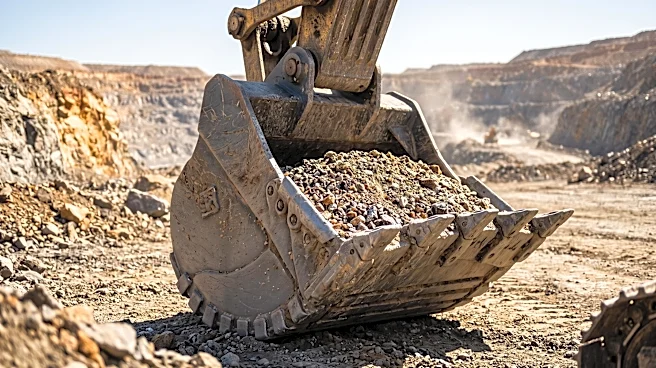
energy, transportation, electronics, and advanced manufacturing. The production of these minerals often faces difficulties due to interconnected mining and processing stages, where variability in one area can impact overall performance. Key sources of variability include differences in mineral composition and grade (feedstock variability), equipment degradation and downtime (equipment performance), and shifts in operational variables like flow, pressure, or temperature (process variability). Companies are increasingly leveraging industrial data analytics and AI agents to identify the root causes of performance issues, improve efficiency, and make data-driven decisions. This involves connecting disparate industrial data, applying advanced analytics to understand performance losses, and using AI to gather relevant evidence for engineers to evaluate.
Why It's Important?
The efficient production of critical minerals is crucial for the U.S. economy and its strategic industries. Disruptions or inefficiencies in this sector can impact the supply chains for renewable energy technologies, electric vehicles, and advanced electronics, potentially leading to higher costs and reduced competitiveness. By optimizing operations, companies can enhance mineral recovery, increase throughput, reduce energy intensity, and improve equipment availability. This directly contributes to national economic stability and technological advancement. The adoption of advanced analytics and AI in mining operations signifies a shift towards more resilient and efficient resource management, which is vital for meeting growing demand and reducing reliance on foreign sources for these essential materials. Improved operational efficiency can also lead to environmental benefits by optimizing resource use and reducing waste.
What's Next?
The trend towards integrating advanced analytics and AI in critical minerals operations is expected to continue and expand. Companies will likely invest further in unified data analytics platforms that can consolidate process, equipment, laboratory, and production data. The development and deployment of AI agents will become more sophisticated, assisting engineers in real-time problem identification, causality analysis, and decision-making. Future efforts will focus on creating reusable analyses and documenting engineering decisions to build institutional knowledge, allowing teams to learn from past investigations and apply successful strategies across different shifts, assets, and facilities. This continuous optimization process will be essential as feed characteristics, operating conditions, equipment performance, and production priorities evolve, ensuring sustained efficiency and productivity in the critical minerals sector.
Beyond the Headlines
The push for optimizing critical minerals operations extends beyond immediate production efficiencies, touching upon broader themes of technological innovation, workforce development, and national security. The reliance on AI and advanced analytics necessitates a skilled workforce capable of interpreting complex data and managing sophisticated systems, potentially driving new educational and training initiatives. Ethically, the increased automation and data-driven decision-making in mining must be balanced with human oversight to ensure responsible resource extraction and worker safety. Furthermore, the strategic importance of critical minerals for national defense and economic competitiveness means that advancements in operational efficiency can bolster national security by securing domestic supply chains and reducing geopolitical vulnerabilities related to mineral access. This technological evolution in mining could also set new global standards for sustainable and efficient resource management.