




What's Happening?
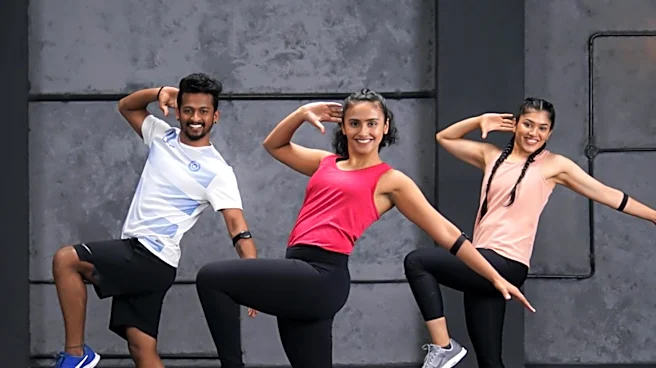
The Maple Street YMCA is providing a variety of dance-based fitness classes designed to improve cardiovascular health, burn calories, and tone muscles. These offerings include REFIT®, Rhythm & Sweat, Step, STRONG by Zumba®, Turbo Kick®, danceFit, and Zumba®.
Each class incorporates different styles and intensities, from cardio dance with uplifting music in REFIT® to high-intensity interval training (HIIT) in Turbo Kick® and bodyweight strength training in STRONG by Zumba®. Rhythm & Sweat combines dance with elements like jumping jacks, body rolls, squats, and dumbbells for a comprehensive workout. danceFit offers an aerobic workout that blends conventional fitness moves with dance, adaptable for all fitness levels. Zumba® provides an interval-style, calorie-burning dance fitness party, often inspired by Latin rhythms. These programs aim to cater to a wide range of fitness preferences and abilities within the community.
Why It's Important?
The availability of diverse dance fitness programs at facilities like the Maple Street YMCA is crucial for promoting public health and well-being. These classes offer accessible and engaging ways for individuals to meet physical activity guidelines, which can lead to significant health benefits such as improved cardiovascular health, weight management, and reduced risk of chronic diseases. The variety of classes ensures that more people can find a workout style that suits their preferences and fitness levels, thereby increasing participation and adherence to exercise routines. Furthermore, group fitness classes often foster a sense of community and social connection, which can enhance mental health and motivation. By providing structured, fun, and adaptable workouts, the YMCA contributes to a healthier and more active population, potentially reducing healthcare burdens and improving overall quality of life for its members.
What's Next?
The Maple Street YMCA will likely continue to offer and potentially expand its range of dance fitness classes based on community interest and participation. As fitness trends evolve, the YMCA may introduce new programs or modify existing ones to keep the offerings fresh and engaging. Continued promotion of these classes will be essential to attract new members and retain current ones. The success of these programs could also inspire other community centers and fitness facilities to adopt similar diverse dance fitness models, further broadening access to enjoyable physical activity options across the U.S. Regular evaluation of class popularity and member feedback will guide future scheduling and program development to ensure the YMCA effectively meets the health and fitness needs of its community.
Beyond the Headlines
Beyond the immediate health benefits, the proliferation of dance fitness programs like those at the Maple Street YMCA reflects a broader cultural shift towards more enjoyable and social forms of exercise. Traditional gym workouts can sometimes be perceived as monotonous, leading to high dropout rates. Dance fitness, however, taps into the inherent human enjoyment of music and movement, transforming exercise into a recreational activity. This approach can be particularly effective in reaching demographics that might otherwise be disengaged from physical activity. The emphasis on adaptability, as seen in danceFit, also promotes inclusivity, allowing individuals of varying ages, fitness levels, and physical capabilities to participate. This trend highlights a growing understanding that sustainable health outcomes are often achieved when physical activity is integrated into daily life in ways that are both beneficial and pleasurable.