


What's Happening?
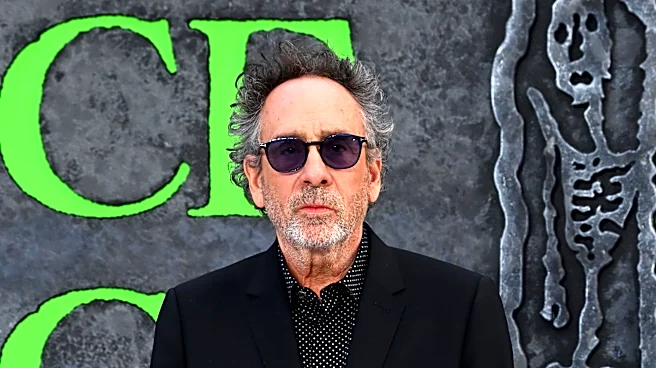
Tim Burton's 1989 film 'Batman' significantly altered Hollywood's approach to superhero movies and blockbuster marketing. Prior to its release, the Batman character was largely associated with the campy 1960s television series starring Adam West. Producer
Michael Uslan had long sought a more serious adaptation, a vision realized by director Tim Burton and the casting of Michael Keaton as Batman, despite initial skepticism. The film presented a darker, gothic Gotham City, a stark contrast to previous interpretations. Its success was monumental, grossing approximately $411 million worldwide and becoming the highest-earning film of 1989. Beyond box office numbers, 'Batman' generated an unprecedented merchandising frenzy, with the black-and-yellow Bat-symbol appearing on a vast array of products, including T-shirts, lunchboxes, and even inspiring a Prince soundtrack album that topped charts for six weeks. This widespread cultural saturation, dubbed 'Batmania,' demonstrated that a blockbuster could sell an entire entertainment experience, not just movie tickets.
Why It's Important?
The 1989 'Batman' film's impact on the entertainment industry was profound, fundamentally reshaping how studios perceived and marketed comic book adaptations. Its success proved that a serious, darker take on a superhero could resonate with a broad audience, paving the way for future successful adaptations like 'Blade,' 'X-Men,' and Sam Raimi's 'Spider-Man.' This shift moved comic book characters from niche appeal to mainstream cinematic viability, influencing decades of filmmaking. Economically, 'Batmania' established a new paradigm for blockbuster merchandising, demonstrating the immense revenue potential beyond ticket sales. It taught Hollywood that a film could be a central component of a larger, integrated entertainment brand, a strategy that modern franchises have since expanded upon with cinematic universes and extensive marketing campaigns. The film's ability to create an overnight cultural obsession, largely through a mysterious symbol on a poster, highlights a unique marketing phenomenon that is difficult to replicate in today's media landscape, saturated with trailers, social media, and constant leaks.
What's Next?
The legacy of Tim Burton's 'Batman' continues to influence the superhero genre, with studios consistently seeking to replicate its blend of critical and commercial success. While direct sequels to the 1989 film have long passed, its influence is evident in the ongoing development of darker, more complex superhero narratives and the continued emphasis on extensive merchandising and brand building around major film releases. The entertainment industry will likely continue to explore new ways to create cultural phenomena, drawing lessons from 'Batmania' while adapting to contemporary audience engagement methods. The challenge remains for studios to achieve a similar level of organic, widespread cultural obsession in an era of fragmented media consumption and constant information flow.
Beyond the Headlines
Beyond its immediate box office and merchandising success, Tim Burton's 'Batman' sparked a significant cultural re-evaluation of comic book characters. It demonstrated that these figures could be vehicles for serious storytelling and artistic vision, moving beyond their often-campy public perception. The film's gothic aesthetic and darker tone influenced not only subsequent superhero movies but also broader pop culture, contributing to a trend of more mature and complex narratives in popular media. Ethically, the film's merchandising blitz raised questions about the commercialization of cultural icons and the extent to which intellectual property could be leveraged across various products. This development laid the groundwork for the pervasive brand integration seen in today's entertainment landscape, where characters and franchises are meticulously managed across films, television, video games, and consumer products, blurring the lines between art and commerce.