







What's Happening?
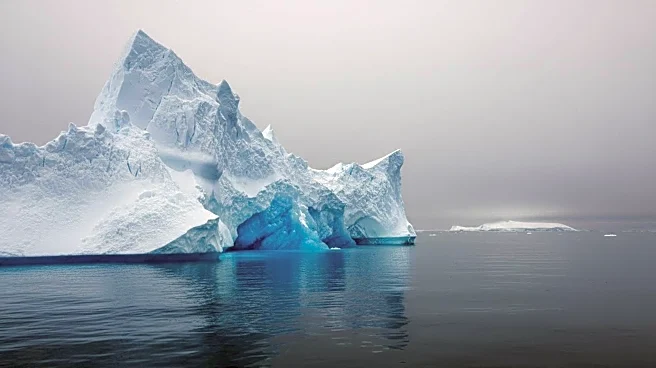
The concept of ecological grief is gaining attention as individuals and communities struggle to cope with the loss of species and natural landscapes. The article highlights the emotional impact of environmental degradation, such as the decline of great
blue herons in Vermont and the loss of glaciers in Iceland. Despite the profound sense of loss, there are few cultural rituals or languages to express this grief. The article argues for the need to acknowledge and mourn these losses, similar to how societies mourn human deaths, to better cope with the emotional and psychological impacts of environmental change.
Why It's Important?
Recognizing ecological grief is crucial as it reflects the deep emotional connections people have with the natural world. As environmental degradation continues, the lack of formal acknowledgment and mourning rituals can exacerbate feelings of helplessness and despair. Addressing ecological grief can lead to greater public awareness and action towards environmental conservation. It also highlights the need for cultural shifts in how societies perceive and respond to environmental changes, potentially influencing policy and conservation efforts.
Beyond the Headlines
The discussion of ecological grief touches on broader themes of moral injury and cultural responsibility. As people become more aware of the environmental impact of human activities, there is a growing need for societal structures that support emotional processing and collective action. This could lead to the development of new cultural practices and policies that prioritize environmental health and sustainability, fostering a deeper connection between humans and the natural world.