






What's Happening?
Jason Bonfig, Best Buy's new CEO, has taken the helm following Corie Barry's seven-year tenure, inheriting the company's strongest comparable sales growth in five years. In the fiscal third quarter, comparable sales increased by 6.1%, leading Best Buy to
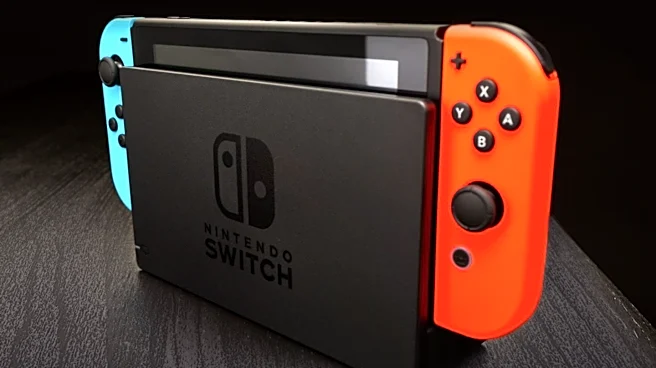
raise its full-year outlook for the second consecutive quarter. The company's shares have seen a nearly 49% rally this year as of November 24, a significant turnaround after sales declines in 14 of the 16 quarters prior to the CEO change announcement in April. Revenue for the quarter ending October 31 rose 5.8% to $10.24 billion, with adjusted earnings per share climbing 16% to $1.62, both surpassing Wall Street forecasts. Best Buy now projects fiscal 2027 revenue between $43 billion and $43.3 billion and adjusted EPS of $6.90 to $7.05. This growth was primarily driven by higher prices in computing and mobile phones, as well as strong domestic entertainment comparable sales, which jumped 27.5% due to console and accessory purchases ahead of major game releases.
Why It's Important?
This development is significant for the U.S. retail sector, particularly for electronics retailers, as it signals a potential rebound in consumer spending on big-ticket items after a period of contraction. Best Buy's ability to achieve substantial sales growth and a stock rally suggests that strategic shifts, including the expansion of its online marketplace and new revenue streams like AI glasses and trading cards, are yielding positive results. The company's success under new leadership could serve as a model for other retailers facing intense competition from e-commerce giants like Walmart and Amazon. The increase in average selling prices for computing and mobile phones, despite a drop in unit sales, highlights a shift in consumer purchasing behavior or supply chain dynamics that could impact pricing strategies across the industry. Furthermore, the strong performance in gaming sales underscores the continued importance of entertainment products in driving retail growth, especially during key periods like the holiday season.
What's Next?
Jason Bonfig's immediate challenge will be to sustain this rebound through the crucial holiday quarter. The company's new guidance implies a slowdown in comparable-sales growth for the fourth quarter, ranging from 2% to 4%, and a one-time tariff refund of $41 million will not be repeated. Bonfig anticipates continued strong demand for gaming, particularly with new title releases, but acknowledges it is too early in the quarter to fully assess its impact. Best Buy will need to demonstrate that its current growth trajectory is sustainable beyond the holiday season and not solely reliant on temporary factors like blockbuster game launches or one-off financial benefits. The company's focus on evolving with technology and customer expectations, as stated by Bonfig, suggests continued investment in its online marketplace and other new initiatives to maintain momentum and adapt to changing market dynamics.
Beyond the Headlines
The transition of leadership at Best Buy, with a veteran like Jason Bonfig taking the helm, reflects a broader trend among Fortune 500 companies favoring internal promotions for top executive roles. This approach often signals a desire for continuity, deep institutional knowledge, and a proven understanding of the company's culture and operational intricacies. While Corie Barry's tenure ended with lower revenue than when she started, the recent turnaround suggests that the foundational changes or strategic investments made during her leadership might now be bearing fruit. The emphasis on customer experience and human expertise, as highlighted by Bonfig, points to a recognition that in an increasingly digital retail landscape, personalized service and knowledgeable staff remain critical differentiators. This could influence how other retailers invest in their workforce and customer engagement strategies to compete effectively.