








What's Happening?
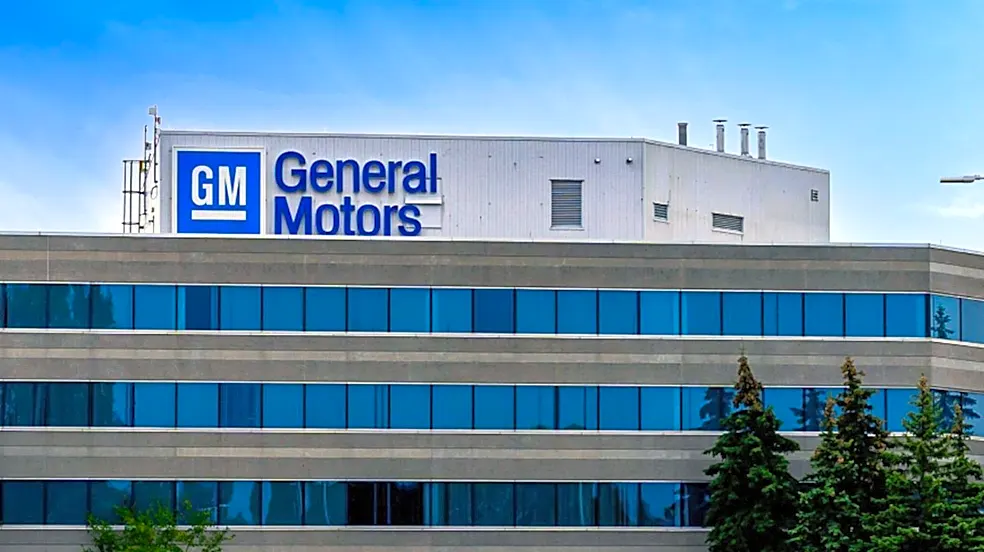
General Motors (GM) is closing its Brownstown Battery Assembly plant located near Detroit. Production from this facility, which manufactured high-voltage batteries for vehicles like the Cadillac Celestiq and Chevrolet Corvette E-Ray, along with drive
units for the electrified Corvette, will be relocated to other nearby GM facilities. The plant is expected to cease operations by next summer, coinciding with the expiration of its lease. This move comes as GM scales back its battery production efforts, a decision influenced by demand falling short of initial expectations. The workforce at the Brownstown plant has significantly decreased from approximately 300 employees at its peak to fewer than a dozen, with affected workers offered positions at other GM sites in the area.
Why It's Important?
This closure signifies a notable shift in GM's strategic priorities, indicating a re-emphasis on gas-powered vehicles alongside its electric vehicle (EV) initiatives. The company has incurred billions of dollars in losses related to its powertrain strategy, prompting a reevaluation of its investment in battery projects. Earlier this year, GM transferred full control of a joint plant project in Indiana to its partner Samsung SDI and withdrew from another battery project in Lansing, leaving LG Energy Solution in charge. This strategic pivot could have broader implications for the automotive industry's transition to EVs, potentially signaling a more cautious approach to large-scale battery manufacturing investments by traditional automakers in response to market dynamics and financial performance.
What's Next?
The Brownstown plant is scheduled to shut down by next summer. GM will continue to consolidate its battery production at other existing facilities, suggesting a more streamlined approach to its EV component manufacturing. The company's continued emphasis on gas-powered models, while still building EVs, indicates a diversified product strategy moving forward. This shift may lead to further adjustments in GM's partnerships and investments within the battery manufacturing sector, as it seeks to optimize its operations and financial performance in a rapidly evolving automotive market. Other battery manufacturers and EV companies will likely observe GM's strategy closely for insights into market trends and investment viability.
Beyond the Headlines
The closure of the Brownstown plant highlights the inherent risks and challenges associated with the rapid expansion of EV manufacturing infrastructure. While the automotive industry is committed to an electric future, the pace and scale of this transition are subject to market demand, technological advancements, and economic realities. GM's decision underscores the need for flexibility and adaptability in long-term investment strategies, particularly in capital-intensive sectors like battery production. This event could also spark discussions about the balance between aggressive EV targets and sustainable business practices, influencing future policy decisions and corporate strategies regarding green technology investments and job creation in the U.S. manufacturing sector.