




What's Happening?
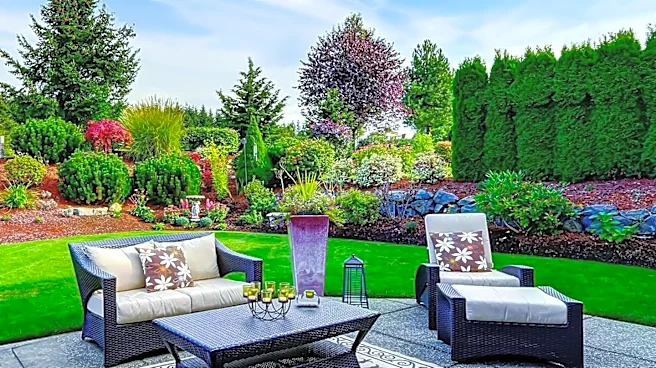
Hardscaping, which involves incorporating non-living elements such as patios, walkways, retaining walls, pergolas, outdoor kitchens, and fire features, is increasingly being used by homeowners to transform basic lawns into vibrant, functional outdoor living spaces.
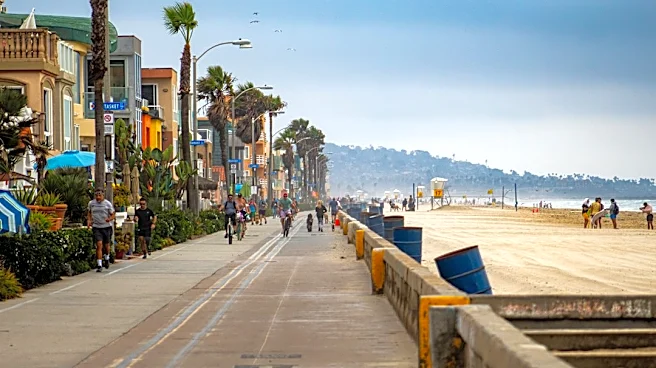
This approach integrates architectural elements with natural landscaping, blurring the lines between indoor and outdoor environments. Unlike simple lawns that primarily offer aesthetic appeal, hardscaped areas invite active use for relaxation, entertainment, and daily activities. Key hardscape features like spacious patios, pergolas for shade, fire pits for cozy evenings, and outdoor kitchens significantly expand a home's usable square footage, effectively creating new 'rooms' outdoors. This trend is particularly noted in areas like San Diego, where homeowners are seeking to maximize their outdoor experience.
Why It's Important?
The integration of hardscaping into residential properties holds significant importance for both lifestyle enhancement and financial investment. By extending living spaces outdoors, homeowners gain additional areas for family gatherings, entertaining guests, or simply unwinding, thereby improving their quality of life. From an economic perspective, a professionally designed hardscape project can substantially boost a home's appeal and resale value. Features like outdoor kitchens and well-designed patios consistently rank high among features that attract potential buyers. Furthermore, hardscaping often requires less maintenance compared to traditional lawns, leading to saved time, reduced water bills, and less effort in the long run. This low-maintenance aspect, combined with year-round usability through elements like fire features and shade structures, makes hardscaping a smart, long-term investment for homeowners.
What's Next?
The trend of integrating hardscaping into residential properties is expected to continue growing as homeowners increasingly seek to maximize their outdoor living potential. Future developments may include more sophisticated and customizable hardscape designs, incorporating advanced materials and smart home technologies for enhanced functionality and aesthetic appeal. Homeowners will likely continue to invest in elements that extend the usability of their outdoor spaces across seasons, such as advanced heating and cooling solutions for pergolas and outdoor kitchens. The demand for skilled design teams capable of balancing beauty, function, and specific homeowner needs will also rise, leading to more specialized services in the hardscaping industry. Additionally, as environmental consciousness grows, there may be an increased focus on sustainable hardscaping materials and designs that minimize ecological impact.
Beyond the Headlines
Beyond the immediate benefits of expanded living space and increased home value, the rise of hardscaping reflects a broader cultural shift towards valuing outdoor experiences and integrating nature into daily life. This trend highlights a desire for homes to offer not just shelter, but also a holistic environment that supports well-being and social connection. Ethically, the choice of materials and design can impact local ecosystems, prompting a need for sustainable practices in hardscape development. Legally, zoning laws and property regulations may evolve to accommodate more extensive outdoor structures, influencing design possibilities and construction permits. Culturally, these outdoor living spaces are becoming central to social gatherings and family life, fostering a deeper connection to the home environment and promoting a lifestyle that embraces both comfort and the natural world.