




What's Happening?
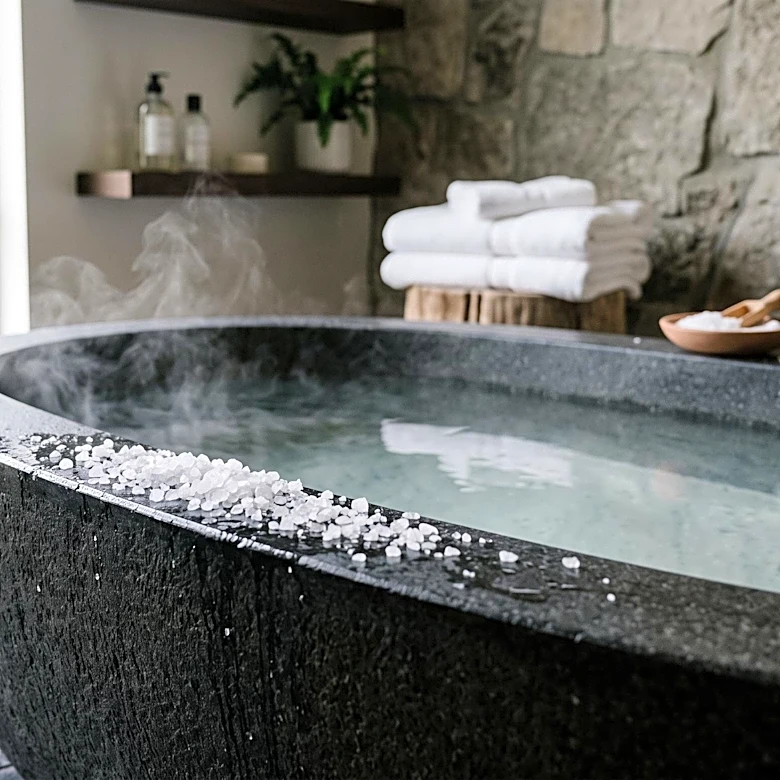
The wellness trend of cold plunges, involving immersion in cold water, typically around 47°F (8.3°C), for 3 to 5 minutes, is gaining popularity for purported benefits such as recovery, refreshment, and increased energy. Companies like Degree Wellness
offer these services, citing advantages like decreased inflammation and enhanced focus. However, a 2026 article from Outside magazine suggests that the perceived benefits of cold plunges, particularly for muscle recovery, might be more attributable to a placebo effect. The article also highlights potential adverse effects on the reproductive system for individuals with female bodies due to prolonged cold water exposure, noting a lack of proven benefits for female muscle recovery. Furthermore, the piece cautions that an excessive focus on wellness trends like cold plunges and fitness tracking can lead to anxiety rather than improved health outcomes. The overall effectiveness of cold plunges remains a subject of ongoing discussion and research.
Why It's Important?
This discussion around cold plunges is important as it challenges a growing wellness trend that many consumers are investing time and money into. If the benefits are primarily placebo-driven or carry unacknowledged risks, it impacts consumer health decisions and the integrity of the wellness industry. For U.S. businesses offering cold plunge services, such as specialized wellness centers, this scrutiny could lead to increased demand for scientific validation of their claims or potentially a decline in consumer trust if concerns are substantiated. Individuals seeking health improvements might be misdirecting their efforts and resources, potentially overlooking more evidence-based practices. The emphasis on potential adverse effects on the reproductive system for those with female bodies also raises significant public health considerations, urging a more cautious approach to widespread adoption without further research. This situation underscores the broader challenge of distinguishing scientifically supported health practices from fads in the rapidly expanding wellness market.
What's Next?
The ongoing debate surrounding the efficacy and potential risks of cold plunges suggests a need for more rigorous scientific research to definitively establish their benefits and identify any long-term health implications. Consumers are likely to become more discerning, seeking evidence-based information before adopting such wellness practices. This could prompt wellness companies to invest in clinical trials or partner with research institutions to validate their offerings. Regulatory bodies might also face pressure to provide clearer guidelines or warnings regarding wellness trends that lack substantial scientific backing, especially concerning vulnerable populations or specific physiological impacts. Public health campaigns could emerge to educate individuals on critical evaluation of wellness claims, encouraging a balanced approach to health that prioritizes proven methods over unverified trends. The conversation will likely continue to evolve as more data becomes available, influencing both consumer behavior and industry practices.
Beyond the Headlines
The skepticism surrounding cold plunges extends beyond their immediate health effects, touching upon broader societal implications of the 'optimization' culture prevalent in modern wellness. The Outside article points out that an obsessive focus on tracking and extreme wellness practices can paradoxically trigger anxiety rather than improve well-being. This highlights a cultural shift where the pursuit of health can become a source of stress and self-criticism, driven by social media and marketing. Ethically, this raises questions about the responsibility of wellness influencers and companies to provide accurate, balanced information, especially when promoting practices with unproven benefits or potential risks. The phenomenon also reflects a deeper human desire for quick fixes and 'cure-alls' in a complex world, often leading individuals to embrace trends without sufficient critical evaluation. This trend of over-optimization can detract from holistic, sustainable approaches to health, emphasizing performance metrics over genuine well-being and potentially fostering a sense of inadequacy among those who cannot achieve idealized wellness standards.