








What's Happening?
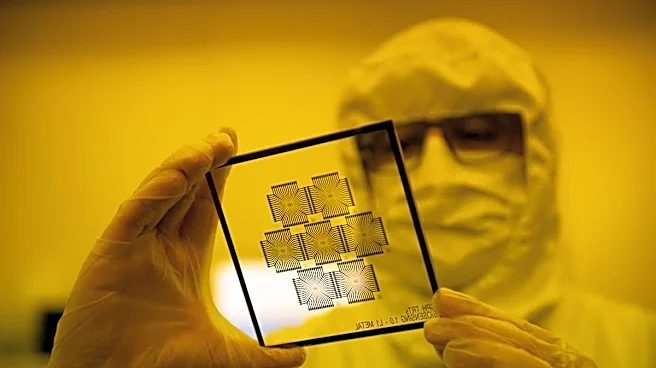
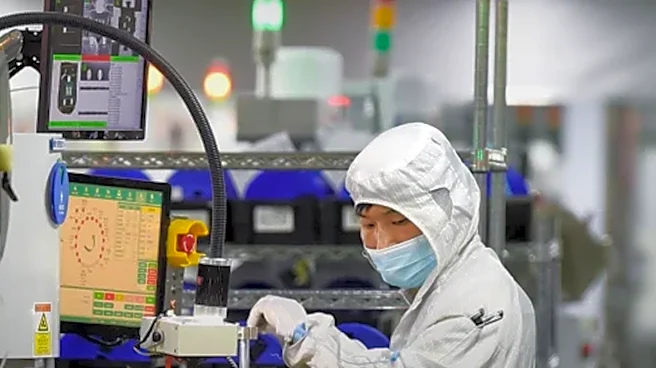
Bosch has initiated sample production at its first U.S. semiconductor plant located in Roseville, California. This development follows a $225 million subsidy from the U.S. Commerce Department under the CHIPS Act. The German company has invested $2 billion
to convert the site for the production of silicon carbide (SiC) chips, with full commercial production expected to begin later in 2026. The plant, acquired from TSI Semiconductors in 2023, is being equipped to produce 200 mm SiC wafers. Once fully operational, it is anticipated to produce the majority of Bosch's SiC output and over 40% of all U.S.-manufactured SiC chips. This expansion aims to support local vehicle production and comply with the USMCA, while also strengthening the onshore automotive semiconductor supply chain.
Why It's Important?
The establishment of Bosch's SiC plant in the U.S. is significant for several reasons. It represents a strategic move to bolster domestic semiconductor manufacturing, reducing reliance on foreign supply chains. This is particularly crucial given the global semiconductor shortages that have previously disrupted industries, including automotive manufacturing. The plant's focus on SiC chips, which are essential for electric vehicles and other high-voltage applications, aligns with the growing demand for EVs and renewable energy solutions. By localizing production, Bosch not only enhances supply chain resilience but also positions itself to meet the increasing demand for advanced semiconductors in the U.S. market.
What's Next?
As Bosch moves towards full-scale production, the plant is expected to play a pivotal role in meeting the semiconductor needs of the U.S. automotive industry. The company's broader commitment to invest up to $7.5 billion in U.S. manufacturing by 2031 underscores its long-term strategy to strengthen domestic production capabilities. This initiative is part of a larger federal effort to revitalize U.S. chipmaking capacity, which has declined significantly over the past three decades. The success of Bosch's plant could influence other semiconductor manufacturers to increase their U.S. investments, further enhancing the country's technological and economic resilience.