







What's Happening?
Delaware's coastline is being highlighted as a quieter alternative to Florida for East Coast vacations, featuring sandy beaches, calm waterways, and charming towns. The state's coastline stretches over 50 miles along the Atlantic Ocean and Delaware Bay,
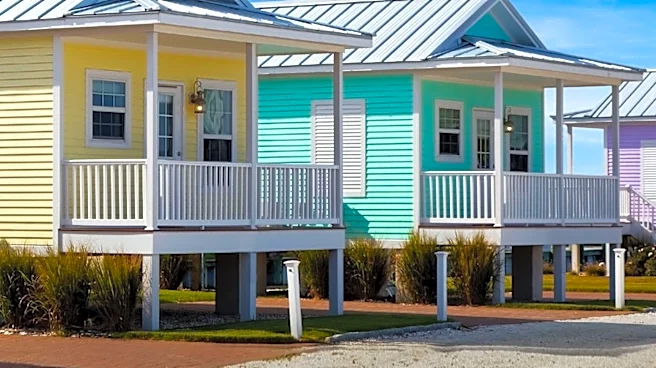
offering a variety of experiences from lively resort destinations to peaceful stretches of sand. Coastal communities in Delaware are characterized by locally owned restaurants, seafood shacks, cafes, boutiques, historic buildings, amusement parks, and waterfront preserves. Due to Delaware's small size, visitors can experience several distinct beach towns in a single trip. Examples include Long Neck, situated on a peninsula between Rehoboth Bay and Indian River Bay, which is ideal for boating, fishing, kayaking, and paddleboarding. Dewey Beach, a 20-block-long coastal town, offers sandy ocean shores for swimming, sunbathing, and surfing, while its bay side provides opportunities for kayaking, paddleboarding, fishing, and boating. Ocean View, despite its name, is inland from the Atlantic but offers a quieter experience with access to waterways like the Assawoman Canal and Whites Creek for kayaking and fishing. These towns provide a blend of waterfront scenery with walkable downtowns and a slower pace compared to larger coastal resorts.
Why It's Important?
The promotion of Delaware's beaches as a vacation alternative to Florida is significant for the U.S. tourism industry, particularly for states seeking to attract visitors looking for different types of travel experiences. This shift in marketing highlights the diversity of coastal destinations available within the U.S. and can help distribute tourist traffic, potentially alleviating overcrowding in more popular areas. For Delaware, this could lead to increased tourism revenue, supporting local businesses such as restaurants, shops, and water sports operators. It also emphasizes the economic value of preserving natural coastal environments and maintaining the unique character of small towns. By offering a 'quieter alternative,' Delaware appeals to a segment of travelers who prioritize relaxation, local culture, and outdoor activities like kayaking and fishing over the bustling atmosphere of larger resorts. This strategy can contribute to sustainable tourism development by focusing on the intrinsic appeal of the region rather than solely on mass market attractions, benefiting both the local economy and the environment.
What's Next?
If Delaware's marketing efforts prove successful, there could be an increase in tourism to its coastal towns, potentially leading to further development of local infrastructure and services to accommodate more visitors. This might include the expansion of dining options, lodging, and recreational facilities, while striving to maintain the 'quaint' and 'quieter' atmosphere that attracts tourists. Other states with similar coastal characteristics might adopt comparable strategies to position themselves as alternatives to more crowded destinations. Local businesses in Delaware's coastal communities can anticipate a boost in patronage, which could encourage investment and job creation. There may also be a greater focus on promoting and preserving the unique natural waterways and historical aspects of these towns to enhance their appeal. The success of this approach could also influence national tourism trends, encouraging a broader appreciation for diverse regional travel experiences across the U.S.
Beyond the Headlines
The narrative of Delaware's beaches as a 'quieter alternative' to Florida touches upon deeper societal preferences regarding leisure and travel. It reflects a growing desire among some travelers for experiences that offer authenticity, a slower pace, and a stronger connection to local culture and nature, moving away from the more commercialized aspects of mass tourism. This trend has ethical implications, as it encourages the preservation of local character and environmental integrity, rather than succumbing to overdevelopment. Culturally, it highlights the value placed on community, history, and the unique charm of smaller towns. Economically, it suggests a potential for more distributed and sustainable tourism revenue, benefiting a wider range of local businesses and communities. This shift could also lead to a re-evaluation of what constitutes a 'desirable' vacation, emphasizing quality of experience and environmental consciousness over sheer scale or number of attractions. The focus on activities like kayaking and paddleboarding also underscores a broader societal interest in active, outdoor pursuits that promote well-being and engagement with natural landscapes.