





What's Happening?
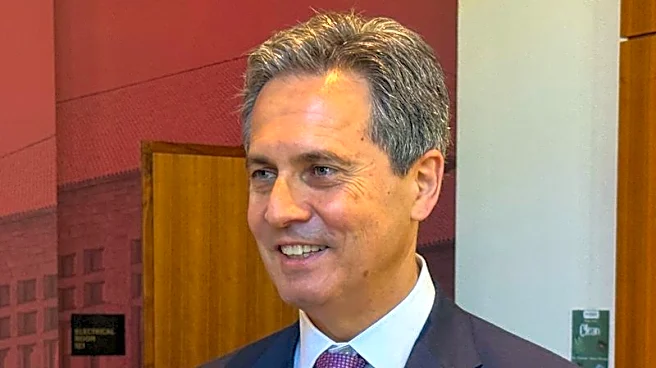
Governor Erik Thedéen of Sweden's Riksbank recently addressed the Finance Committee regarding the nation's monetary policy and economic situation. The Swedish economy is experiencing increased growth, but simultaneously faces rising costs for fuel, electricity,
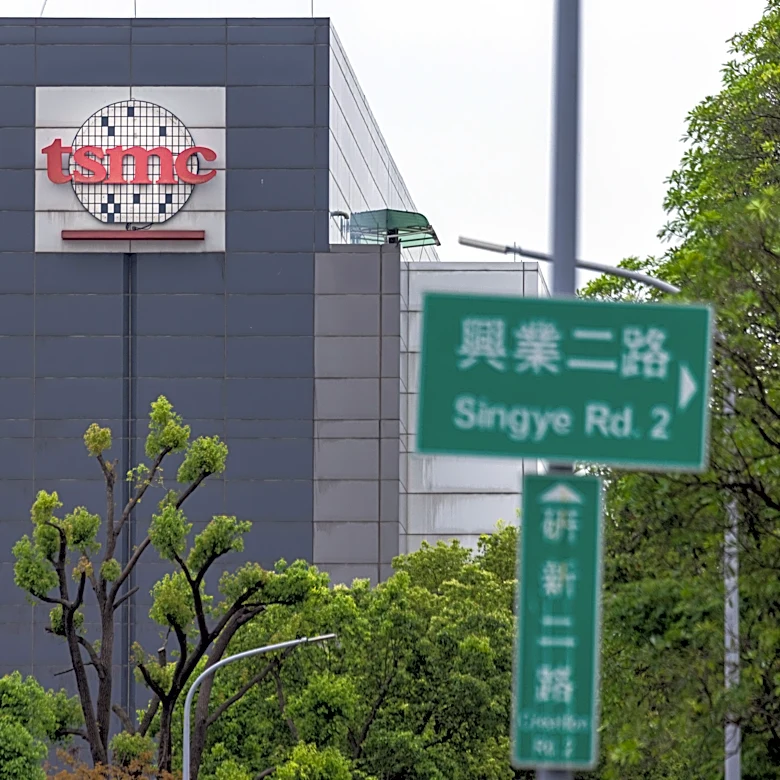
and semiconductors. These cost increases are attributed to the conflict in the Middle East and substantial investments in artificial intelligence (AI). In response to these economic pressures and to maintain low and stable inflation, the Riksbank raised its policy rate to 2 percent. Governor Thedéen characterized this move as easing off the accelerator for the Swedish economy rather than applying the brakes. He noted that while current CPIF inflation is low, this is partly due to temporary fiscal measures like reduced VAT on food and lower public transport fares, which are not expected to have the same dampening effect next year. The Riksbank emphasizes a forward-looking approach to monetary policy, analyzing inflationary pressures to anticipate future trends, especially given the time lag for interest rate changes to take full effect.
Why It's Important?
The Riksbank's decision to raise the policy rate, partly influenced by substantial AI investments, highlights a growing global economic trend where technological advancements are impacting traditional economic indicators. The increased costs associated with AI investments, alongside geopolitical factors, are contributing to inflationary pressures. This situation underscores the challenge central banks face in balancing economic growth with price stability in an evolving technological landscape. For the U.S. and other developed economies, Sweden's experience could serve as a case study, indicating that significant capital allocation towards AI may lead to broader economic shifts, including increased input costs. This could influence investment strategies, supply chain management, and ultimately, consumer prices, potentially leading to similar monetary policy adjustments in other nations grappling with the economic implications of rapid AI adoption.
What's Next?
Governor Thedéen indicated that the Riksbank anticipates a gradual normalization of the policy rate moving forward. The central bank will continue to evaluate the outlook for inflation and economic activity, adjusting monetary policy as new information becomes available. This suggests a flexible approach, where future rate decisions will be data-dependent and responsive to evolving economic conditions, including the ongoing impact of AI investments and global supply chain dynamics. Stakeholders, including businesses and investors, will closely monitor the Riksbank's future announcements for signals on the trajectory of interest rates and the broader economic environment. The interplay between technological investment, inflation, and monetary policy will remain a key area of focus for economic analysts and policymakers.
Beyond the Headlines
The Riksbank's acknowledgment of 'substantial investment in AI' as a factor contributing to rising costs points to a deeper economic transformation. Beyond immediate inflationary pressures, the widespread adoption and investment in AI could lead to significant long-term shifts in labor markets, productivity, and industrial structures. While AI promises efficiency gains, the initial investment phase can be capital-intensive, potentially driving up demand for specialized components and energy, thereby increasing operational costs for businesses. This could lead to a re-evaluation of traditional economic models that may not fully account for the unique economic dynamics introduced by advanced technologies. The ethical and societal implications of AI, while not directly addressed by the Riksbank's monetary policy, also represent a growing area of concern that could indirectly influence economic stability and policy decisions in the future.