



What's Happening?
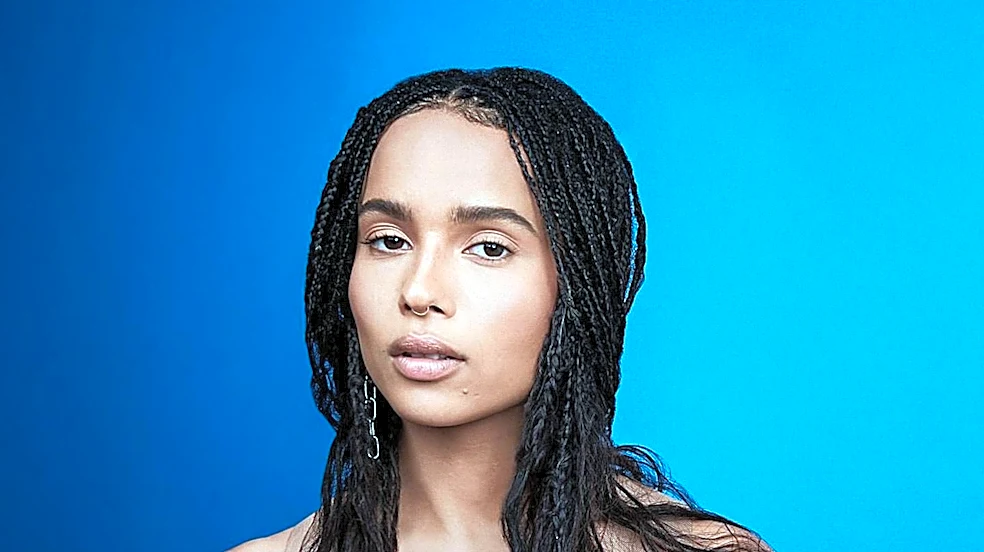
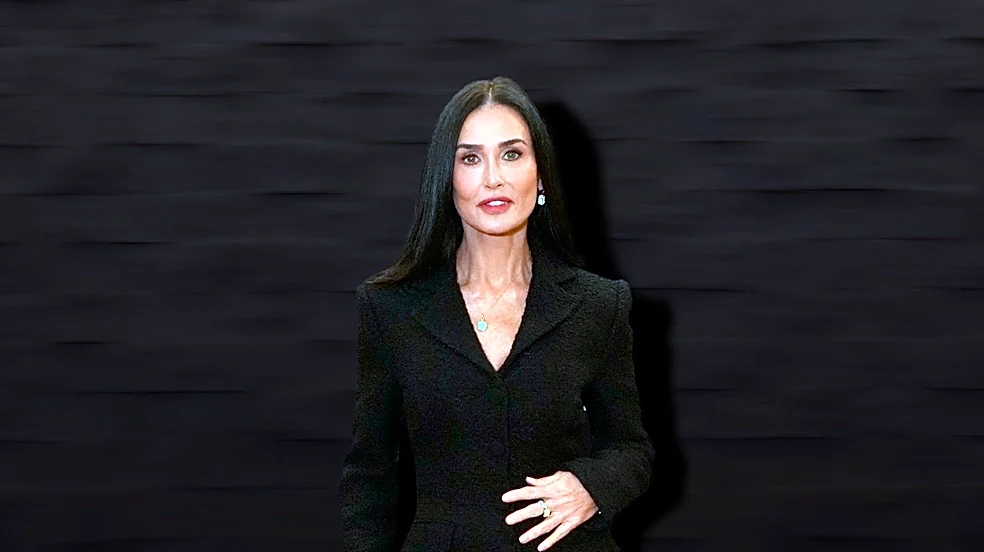
Actress Demi Moore, 63, has revealed that her three daughters—Rumer, Scout, and Tallulah, whom she shares with ex-husband Bruce Willis—are a significant source of inspiration for her wardrobe. Moore noted that she finds their authentic self-expression
particularly inspiring. She recounted an instance where her youngest daughter wore a vintage Japanese silk robe that Moore recognized from her own storage, humorously acknowledging that her clothes will eventually go to her daughters anyway. This intergenerational sharing of fashion items underscores a fluid approach to style within the family. Moore also shared her perspective on aging, stating that turning 60 three years ago felt liberating, as she now defines herself by experiences rather than age, feeling more 'alive and present than ever.'
Why It's Important?
This story highlights a growing trend in fashion where generational boundaries are blurring, and personal style is increasingly influenced by family members across different age groups. For the fashion industry, this suggests a shift away from rigid age-based marketing towards promoting versatile and timeless pieces that appeal to a broader demographic. It also underscores the influence of celebrity families in shaping public perception of aging and style, promoting a message of liberation and self-acceptance. Moore's embrace of her daughters' style, and her own positive outlook on aging, could encourage consumers to view fashion as a means of personal expression rather than adherence to age-specific trends, potentially impacting retail strategies and design philosophies.
What's Next?
The continued public visibility of Demi Moore and her daughters, particularly in fashion-related contexts, is likely to further popularize the concept of intergenerational style sharing. This could lead to more brands featuring multi-generational campaigns or designing collections that cater to a wider age range. Fashion publications and social media platforms may also increasingly highlight stories of family members influencing each other's style, fostering a more inclusive and fluid approach to fashion. Moore's candidness about aging gracefully and finding liberation in her experiences may also inspire other public figures and the general public to adopt similar perspectives, potentially influencing lifestyle and beauty industries to focus more on well-being and authentic self-expression over anti-aging narratives.
Beyond the Headlines
Beyond the immediate fashion implications, this narrative touches on deeper cultural shifts regarding aging and family dynamics. Moore's statement about her clothes eventually going to her daughters reflects a broader trend of sustainability and circular fashion, where items are cherished and passed down rather than discarded. It also subtly challenges societal pressures on women to conform to youthful ideals, instead promoting an image of confidence and vitality at any age. The dynamic between Moore and her daughters exemplifies a modern family where personal boundaries are fluid, and mutual inspiration thrives, contributing to a more nuanced understanding of family influence in contemporary culture.