




What's Happening?
The fashion public relations industry is undergoing significant changes, moving beyond traditional media coverage to focus on creating immersive experiences and leveraging data. According to a recap from The PR Net, fashion PR now prioritizes telling
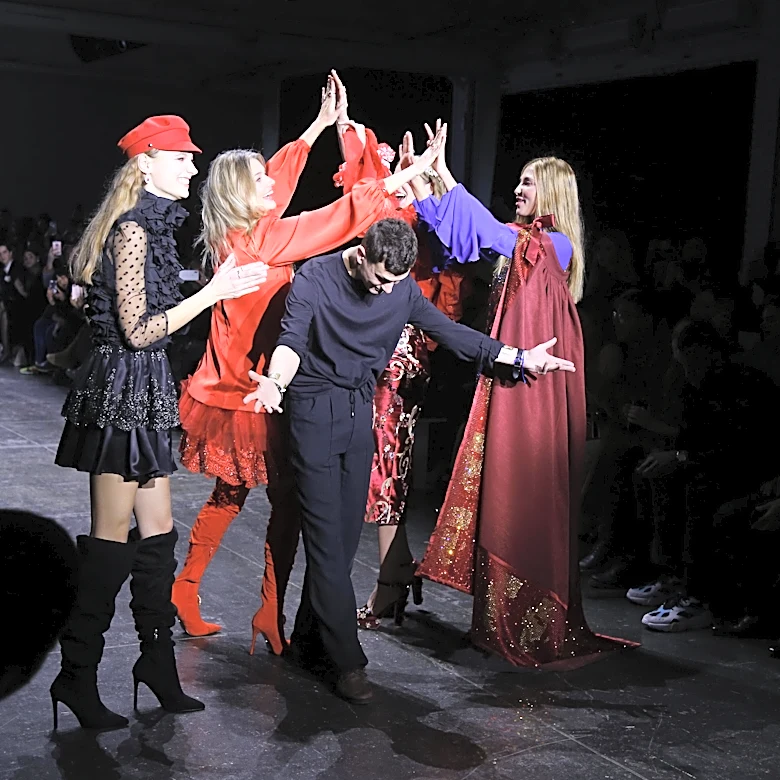
clear stories and meeting audiences across various platforms, including Substack, podcasts, and live streams. Affiliate marketing has gained prominence, influencing relationships with publishers and creators, with teams adjusting commission rates for key launches. Fashion weeks, even without physical shows, remain crucial for fostering relationships among media, tastemakers, buyers, and talent. The rise of AI has further amplified the importance of earned media, as AI tools learn about brands from press coverage, necessitating clear and consistent messaging in appropriate outlets. The industry is also seeing increased convergence with other sectors like music, film, art, and sports, with sports, in particular, becoming a new 'front row' for brands to reach new audiences through athlete style and events like the tunnel walk and F1.
Why It's Important?
These shifts in fashion PR have significant implications for U.S. brands and consumers. For brands, the emphasis on data-driven decisions means a more targeted and effective approach to outreach, events, and strategy, potentially leading to higher ROI on marketing efforts. The integration of affiliate marketing into PR strategies offers new avenues for sales and partnerships, impacting how brands engage with content creators and publishers. The continued relevance of fashion weeks, even in evolving formats, underscores their role as critical networking hubs, which can drive business opportunities and collaborations within the U.S. fashion market. The growing intersection of fashion with sports and other industries opens up new consumer segments and marketing channels, requiring brands to innovate their engagement strategies. Ultimately, the focus on experiences over mere impressions suggests a move towards more meaningful and memorable brand interactions, which can build stronger customer loyalty and drive desire beyond simple awareness.
What's Next?
The fashion PR landscape is expected to continue its rapid evolution, with an ongoing need for brands and PR professionals to adapt to new technologies and consumer behaviors. The increasing role of AI will likely lead to more sophisticated data analysis and personalized outreach strategies. Brands will need to invest further in understanding their target audiences through data to shape effective campaigns. The trend of fashion crossing into other industries, particularly sports, is anticipated to grow, suggesting more cross-promotional opportunities and integrated marketing efforts. PR teams will need to be agile in exploring new platforms and content formats, such as Substack and podcasts, to reach diverse audiences. Furthermore, the focus on creating unique experiences, including pop-ups, seasonal activations, and in-home shopping, will likely intensify, requiring creative partnerships and experiential retail strategies to engage consumers effectively. One-off collaborations are also expected to remain more successful than repeats, pushing brands to constantly seek fresh narratives and partners.
Beyond the Headlines
The transformation of fashion PR reflects broader cultural and technological shifts impacting how industries communicate and connect with their audiences. The move towards 'experiences over impressions' highlights a consumer demand for authenticity and engagement, pushing brands to offer more than just products but rather a lifestyle or a sense of belonging. The integration of AI into PR raises ethical considerations regarding data privacy and the potential for algorithmic bias in shaping brand narratives. The blurring lines between fashion and other industries, such as sports, suggests a more interconnected cultural landscape where traditional boundaries are dissolving. This trend could lead to a more inclusive and diverse representation within fashion, as brands seek to tap into new communities and redefine what constitutes 'fashionable.' The emphasis on 'desire, not just awareness' also points to a deeper psychological understanding of consumer behavior, where emotional connection and aspiration are paramount in driving purchasing decisions and brand loyalty.