
What's Happening?
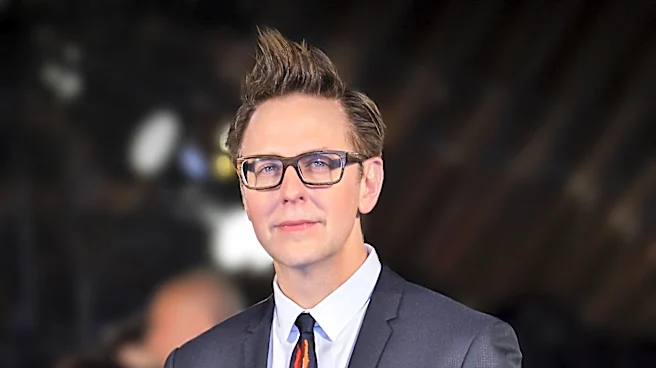
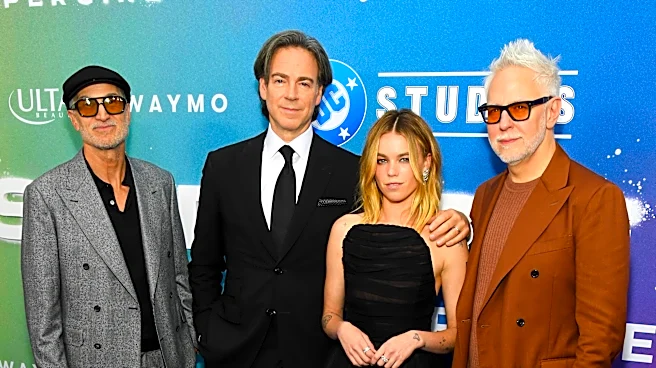
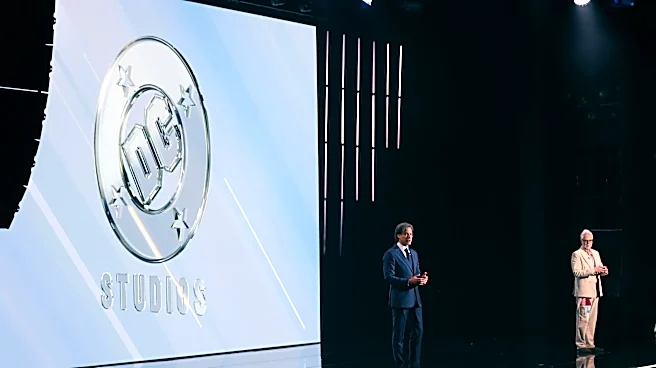
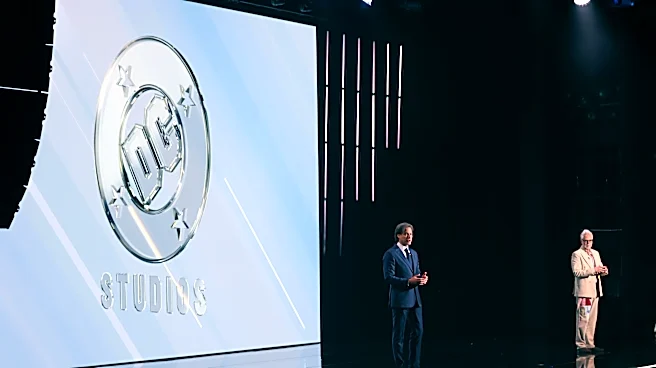
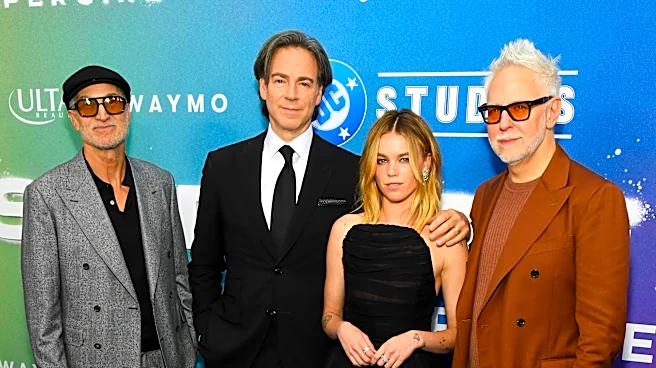
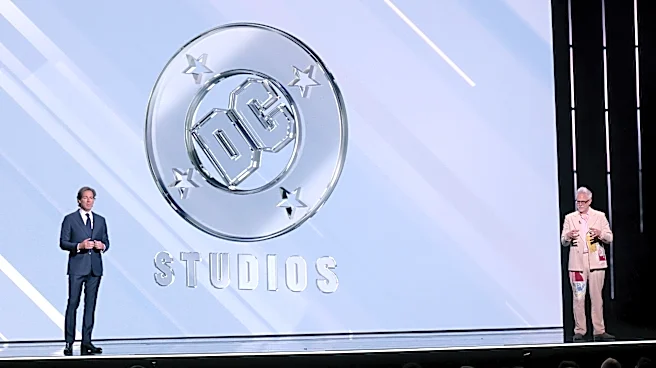
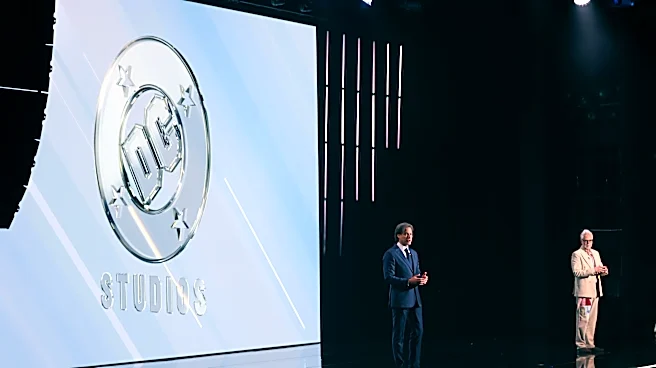
Actor Aaron Pierre, known for his role as John Stewart/Green Lantern in HBO Max’s 'Lanterns,' has addressed the recent leadership changes at DC Studios. James Gunn and Peter Safran are stepping down as co-heads of DC Studios, a development that followed
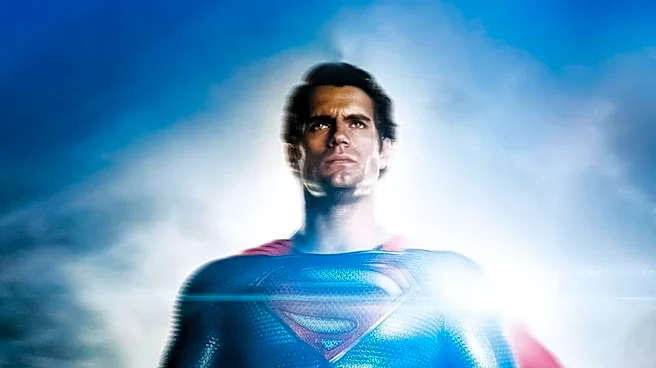
Paramount Skydance’s acquisition of Warner Bros. Discovery. Pierre, during a Nov. 19 appearance on IndieWire’s Screen Talk podcast, acknowledged the significance of the news but expressed positive sentiments about his working relationship with Gunn and Safran. He stated that he has not had much time to process the full implications of the announcement but looks forward to future collaborations with them in different contexts. Pierre also mentioned his excitement for the future direction of DC. The actor is also set to appear in Gunn’s 'Man of Tomorrow,' scheduled for release on July 9, 2027, where he stars alongside Kyle Chandler. The first season of 'Lanterns' has aired, but HBO Max has not yet announced a renewal for a second season. Jeremy Latcham, a former Marvel Studios executive, is slated to take over as DC Studios’ president and chief creative officer on December 1.
Why It's Important?
The leadership transition at DC Studios marks a significant shift for the DC Universe franchise, potentially impacting ongoing and future projects. The departure of James Gunn and Peter Safran, who took over in 2022 and initiated a new era with projects like 'Superman,' 'Supergirl,' 'Peacemaker,' and 'Lanterns,' could lead to a re-evaluation of creative direction and production priorities. For actors like Aaron Pierre, whose roles are tied to these projects, the change introduces uncertainty regarding the longevity and trajectory of their characters within the DCU. The appointment of Jeremy Latcham, with his background at Marvel Studios, suggests a potential strategic pivot for DC, possibly aiming to replicate the success of its competitor. This leadership change could influence investment in new content, the continuation of existing series, and the overall competitive landscape of superhero franchises in the entertainment industry, affecting both creators and audiences.
What's Next?
The immediate next step for DC Studios will be the official transition of leadership to Jeremy Latcham on December 1, who will assume the roles of president and chief creative officer. This change will likely lead to new strategic announcements regarding the future slate of DC films and television series. Actors like Aaron Pierre will be awaiting updates on the status of their projects, such as the potential renewal of 'Lanterns' for a second season and any implications for 'Man of Tomorrow.' The new leadership will need to articulate a clear vision for the DC Universe to reassure fans, creators, and investors. Decisions regarding the continuation or cancellation of existing projects, as well as the development of new ones, will be closely watched. The broader entertainment industry will also observe how this leadership change impacts the competitive dynamics between DC and other major studios in the superhero genre.
Beyond the Headlines
The departure of James Gunn and Peter Safran from DC Studios, following the acquisition of Warner Bros. Discovery by Paramount Skydance, highlights the volatile nature of leadership roles within major entertainment conglomerates, especially after significant corporate mergers. Such shifts often reflect broader strategic realignments aimed at maximizing shareholder value or integrating new corporate cultures. For the DC Universe, this could signify a deeper re-evaluation of its creative identity and market positioning, moving beyond individual project decisions to a more fundamental restructuring of its cinematic and television universe. The transition also raises questions about creative autonomy versus corporate oversight in large-scale franchise management. The impact on talent, such as Aaron Pierre, extends beyond contractual obligations, touching upon career trajectories and the stability of long-term character development within a shared universe. This event underscores the continuous evolution of the media landscape, where content creation is increasingly intertwined with complex business transactions and strategic leadership changes.