





What's Happening?
Taiwan Semiconductor Manufacturing Company Ltd. (TSMC) is significantly increasing its equipment purchases and factory construction to keep pace with the booming demand for artificial intelligence chips. The world's largest contract chipmaker has nearly
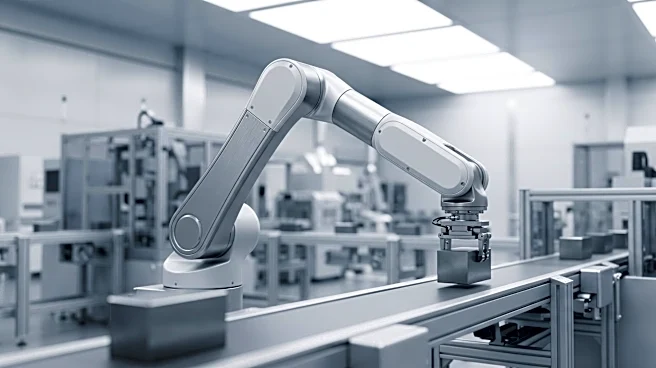
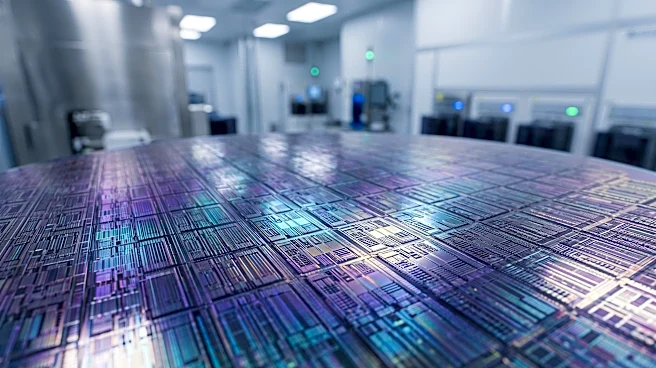
doubled its estimate for quarterly chipmaking equipment purchases compared to its December projections, as stated by Deputy Co-COO Cliff Hou at Semicon Taiwan. This expansion is driven by surging demand from AI developers and the global growth of data centers, which require more advanced chips. TSMC is currently building and equipping approximately 20 factories in Taiwan and overseas, a substantial increase from its historical average of four or five new buildings simultaneously. This rapid expansion has led to challenges, including a shortage of experienced construction workers in Taiwan.
Why It's Important?
TSMC's aggressive expansion is crucial for the global technology industry, particularly for U.S. companies like NVIDIA and AMD, which rely heavily on TSMC for manufacturing their advanced AI accelerators. The continued tight supply environment, highlighted by NVIDIA's projected 70% sales growth and MediaTek CEO Rick Tsai's direct request for more capacity, underscores the critical role TSMC plays in enabling AI innovation and deployment. Any constraints in TSMC's production directly impact the availability of cutting-edge AI chips, potentially slowing down advancements in AI research, development, and commercial applications across various sectors, from cloud computing to autonomous vehicles. The company's ability to meet this demand is vital for maintaining the pace of technological progress and global competitiveness in AI.
What's Next?
TSMC CEO C.C. Wei has indicated that the company will continue working into next year to narrow the gap between chip supply and customer demand. This suggests ongoing high capital expenditure for equipment and factory construction. The shortage of skilled labor in Taiwan could pose a persistent challenge, potentially affecting construction timelines and overall capacity ramp-up. As major customers like NVIDIA and AMD continue to increase their orders, TSMC will face sustained pressure to expand its manufacturing capabilities. The company's stock performance and technical analysis indicate a bullish long-term trend, reflecting investor confidence in its ability to capitalize on the AI boom, despite short-term supply challenges. The industry will closely monitor TSMC's progress in scaling production and addressing labor shortages.
Beyond the Headlines
The unprecedented expansion by TSMC highlights the immense scale of investment required to support the AI revolution. This rapid growth also brings broader implications for global supply chains, geopolitical dynamics, and environmental sustainability. The concentration of advanced chip manufacturing in Taiwan raises concerns about supply chain resilience and geopolitical risks, prompting efforts by other nations, including the U.S., to boost domestic chip production. Furthermore, the energy and resource demands of building and operating numerous advanced fabrication plants will intensify scrutiny on the semiconductor industry's environmental footprint. The ongoing capacity crunch also underscores the strategic importance of semiconductor technology as a critical national asset, influencing trade policies and international relations.