



What's Happening?
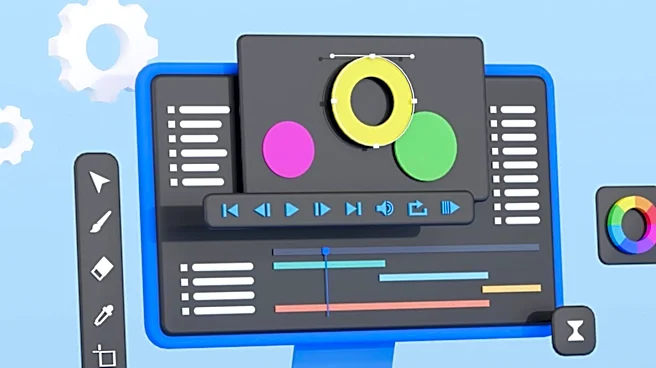
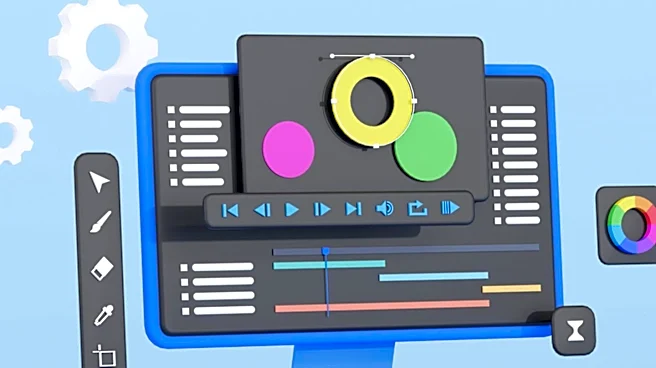
CapCut, a video editing software company, is primarily recognized for its social media editing capabilities, offering templates, effects, and direct publishing to platforms like TikTok. While it provides fast caption generation and multi-track timelines
for editing existing footage, its AI generation tools are noted to be less advanced when it comes to creating new footage from scratch. Creative teams are increasingly seeking alternatives for specific generation needs, such as product reveals, establishing shots, or atmospheric B-roll that cannot be sourced from stock libraries. The company's AI capabilities are more suited for enhancing and editing pre-existing video content rather than generating original visual elements, leading to a gap in its offerings for certain production requirements.
Why It's Important?
This development highlights a significant challenge for CapCut in the evolving landscape of AI-powered creative tools. As the demand for original, AI-generated video content grows across industries, CapCut's focus on editing existing footage rather than generating new material could limit its market share among professional creative teams. Businesses and agencies that require unique visual assets for product launches, advertising campaigns, or cinematic projects may increasingly turn to specialized AI generation platforms. This shift could impact CapCut's competitive position and necessitate further investment in its generative AI capabilities to meet the broader needs of the creative market. The ability to generate high-quality, original footage is becoming a crucial differentiator in video production.
What's Next?
Creative teams are expected to continue exploring and adopting alternative AI video generation tools that offer more robust capabilities for creating new footage. This trend could pressure CapCut to enhance its generative AI features to remain competitive. The market for AI video tools is likely to see further specialization, with platforms focusing on either advanced editing or sophisticated content generation. Companies like Luma AI, Runway ML, and HeyGen, which offer cinematic generation, integrated editing environments, or avatar-based videos, are positioned to capture segments of the market where CapCut's current AI generation falls short. The future will likely involve a combination of specialized tools for different stages of the video production workflow.
Beyond the Headlines
The distinction between AI-powered editing and AI-powered generation raises broader questions about the future of creative workflows and the definition of 'original content.' As AI tools become more sophisticated, the line between human-created and machine-generated visuals will blur, potentially impacting intellectual property rights and artistic authorship. The reliance on AI for generating footage could also lead to new aesthetic trends and production efficiencies, but it also necessitates a critical evaluation of the ethical implications of AI-generated content, including issues of authenticity and potential misuse. The industry will need to establish standards and best practices for integrating these powerful tools responsibly.