



What's Happening?
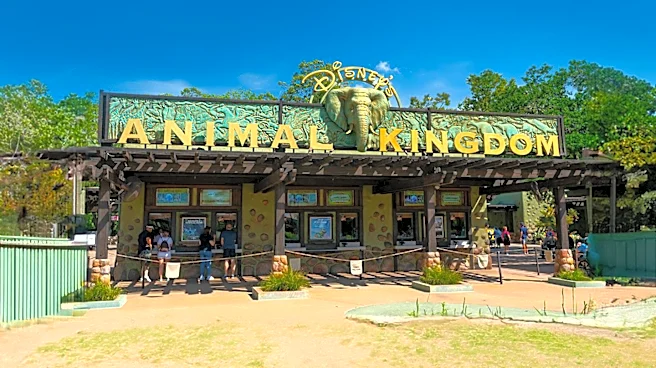
Walt Disney World has revised its morning rope drop procedures at Disney’s Animal Kingdom, aligning it with recent changes at EPCOT, Magic Kingdom, and Disney’s Hollywood Studios. Under the new policy, all park visitors, regardless of their accommodation,
are now permitted through the main turnstiles and onto Discovery Island before the official park opening, typically 30 to 45 minutes prior. Previously, off-site guests were held in a cramped 'Oasis bottleneck' while resort guests with Early Theme Park Entry could proceed directly to attractions. Now, Early Theme Park Entry verification points have been moved deeper into the park, with multiple checkpoints on Discovery Island. This change eliminates the uncomfortable bottleneck for off-site guests, allowing them to spread out, enjoy shade, and take early photos with PhotoPass photographers near the Tree of Life. However, it alters the positional advantage previously held by resort guests, who now must navigate through crowds of off-site visitors to reach the Early Entry verification points.
Why It's Important?
This policy change significantly impacts the guest experience and the perceived value of staying at a Disney resort. For off-site visitors, the new rope drop procedure is a substantial quality-of-life improvement, offering a more comfortable and less congested start to their day. They gain earlier access to Discovery Island, better photo opportunities, and improved positioning for popular attractions like Kilimanjaro Safaris or Avatar Flight of Passage at regular park opening. Conversely, resort guests, who pay a premium for perks like Early Theme Park Entry, see their competitive advantage diminished. The 'transit buffer' that allowed them to reach attractions before the main crowds has been reduced, potentially leading to quicker increases in standby wait times after regular park opening. This shift could influence future booking decisions for potential resort guests, as a key benefit of staying on-site has been diluted, prompting them to re-evaluate the cost-benefit of resort accommodations versus off-site options.
What's Next?
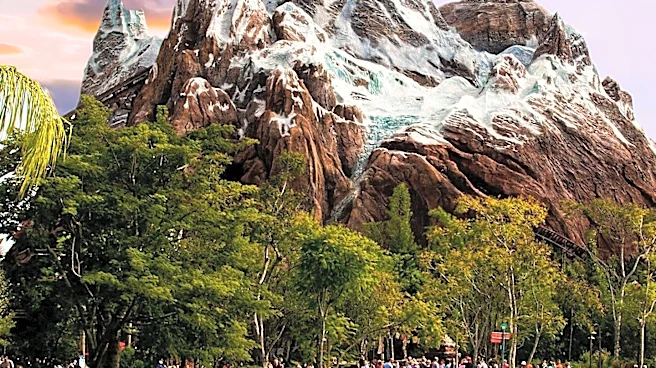
Guests visiting Disney’s Animal Kingdom will need to adjust their morning strategies to maximize their park experience. Resort guests with Early Theme Park Entry are now advised to arrive at the park entrance 45–60 minutes before Early Entry begins to maintain their competitive edge, especially for high-demand attractions like Avatar Flight of Passage. They should proceed directly to the deeper checkpoints on Discovery Island without lingering. If arriving late, resort guests might consider prioritizing other attractions like Na’vi River Journey or Expedition Everest. Off-site guests should aim to arrive at security 35–45 minutes before regular park opening to take advantage of the earlier access to Discovery Island and position themselves near desired attraction checkpoints. Disney will likely monitor guest flow and satisfaction to assess the long-term impact of these changes, potentially leading to further operational adjustments or new strategies to balance the experiences of both resort and off-site visitors.
Beyond the Headlines
The new rope drop policy at Animal Kingdom reflects a broader operational challenge for theme parks: managing crowd flow and optimizing guest satisfaction across diverse visitor segments. While the change addresses a long-standing issue of congestion for off-site guests, it highlights the delicate balance Disney must strike between enhancing the experience for all visitors and preserving the exclusive benefits offered to its resort guests. This move could be interpreted as an attempt to democratize the early park experience, but it also risks alienating a segment of its most loyal and high-spending customers. The long-term implications could include a re-evaluation of the value proposition for Disney resort stays, potentially influencing pricing strategies or the introduction of new, distinct perks to differentiate the resort guest experience. It also underscores the continuous evolution of theme park operations in response to crowd management challenges and changing guest expectations in a highly competitive entertainment industry.