



What's Happening?
The Korean fashion aesthetic known as Acubi is rapidly gaining global popularity, particularly among Gen Z, largely due to its widespread dissemination on social media platforms like TikTok. Originating from Seoul street style, Acubi is characterized
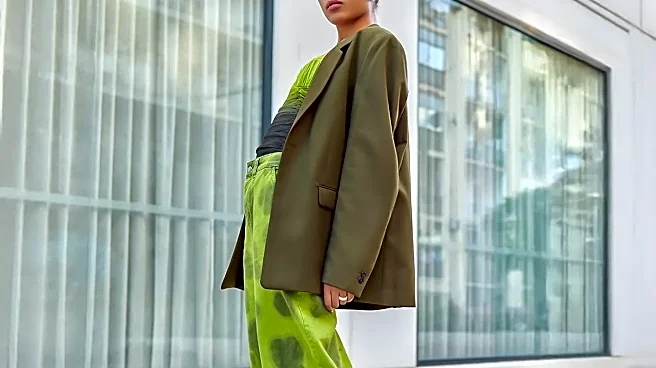
by a blend of oversized silhouettes, fitted tops, muted colors, layered pieces, and chunky shoes, creating a casual yet edgy look. Unlike traditional fashion trends that rely on runway shows for global recognition, Acubi's rise has been fueled by outfit videos, Korean fashion hauls, and styling content shared by users. The hashtag #acubi has garnered over 420 million views on TikTok, showcasing its visual language of neutral tones, relaxed proportions, and a mix of Y2K, minimalism, and soft grunge influences. This aesthetic is seen as a reflection of how K-Fashion is evolving, with social media enabling direct transmission of styles from Seoul to a global audience, often bypassing traditional fashion media channels.
Why It's Important?
The global rise of Acubi fashion highlights the transformative power of social media, particularly TikTok, in shaping and disseminating fashion trends. This shift indicates a departure from traditional fashion industry gatekeepers, as styles can now achieve international prominence directly from street culture and youth communities through online platforms. For the U.S. fashion market, this means an increased influence of global, digitally-native trends, potentially leading to faster trend cycles and a greater demand for diverse aesthetics. Retailers and brands in the U.S. may need to adapt their strategies to quickly identify and incorporate these social media-driven trends to remain relevant to Gen Z consumers. The phenomenon also underscores the growing impact of the Korean Wave (Hallyu) on U.S. culture, extending beyond K-pop and K-dramas into fashion, influencing consumer preferences and purchasing behaviors.
What's Next?
The continued growth of Acubi fashion suggests that social media will remain a primary driver for emerging trends, potentially leading to more localized styles gaining international traction. Fashion brands and influencers are likely to further leverage platforms like TikTok for trend forecasting, marketing, and direct consumer engagement. We can anticipate an increase in collaborations between U.S. brands and Korean fashion influencers or labels to tap into this aesthetic. The emphasis on comfort, individuality, and adaptability within Acubi fashion may also influence future design philosophies, with a focus on versatile pieces that can be styled in multiple ways. The success of Acubi could also pave the way for other niche global aesthetics to break into the mainstream U.S. market through similar digital channels.
Beyond the Headlines
The Acubi trend signifies a deeper cultural shift in how fashion is consumed and perceived, particularly among younger generations. It challenges the top-down model of fashion dissemination, empowering individual creators and street style to dictate global trends. This democratization of fashion raises questions about intellectual property in design, as styles can be rapidly adopted and reinterpreted without traditional attribution. Furthermore, the blend of Y2K, minimalism, and grunge in Acubi reflects a generational desire for nostalgia combined with a contemporary need for comfort and self-expression. This trend also highlights the increasing interconnectedness of global youth culture, where geographical boundaries are blurred by digital platforms, fostering a shared aesthetic language that transcends national origins and influences U.S. consumer identity and style choices.