




What's Happening?
Anthropic, a leading artificial intelligence company, has released a report analyzing the impact of AI on employment. The report indicates that despite fears of AI replacing human jobs, there has been no systematic increase in unemployment for workers
highly exposed to AI since late 2022. The deployment of AI technology remains limited, with AI covering only a fraction of tasks it could potentially handle. The report challenges previous claims by Anthropic's co-founder, Dario Amodei, who suggested AI could eliminate half of all entry-level jobs within five years. The findings suggest that while AI is transforming certain job functions, it has not yet led to widespread job loss.
Why It's Important?
The report's findings are significant as they counter the narrative that AI will lead to massive unemployment. Instead, AI's current impact appears to be more about reshaping job roles rather than eliminating them. This has implications for industries and policymakers as they navigate the integration of AI into the workforce. The findings suggest that while AI can enhance productivity, it may not necessarily reduce overall employment. This could influence how businesses and governments plan for the future of work, focusing on retraining and upskilling workers rather than preparing for widespread job displacement.
What's Next?
As AI technology continues to develop, its impact on employment will likely evolve. Businesses may need to invest in training programs to help workers adapt to new roles created by AI. Policymakers might focus on creating frameworks that support workers in transitioning to AI-enhanced job functions. The ongoing research into AI's impact on the labor market will be crucial in shaping future strategies for workforce development.
Beyond the Headlines
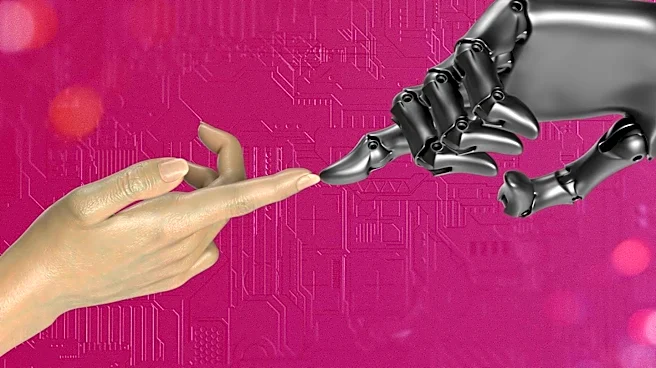
The report also highlights the complexity of AI's integration into the workforce. While AI can perform many tasks, it cannot yet replace the nuanced decision-making and creativity that humans bring to certain roles. This suggests a future where AI and human workers collaborate, potentially leading to new job categories and opportunities for innovation.