






What's Happening?
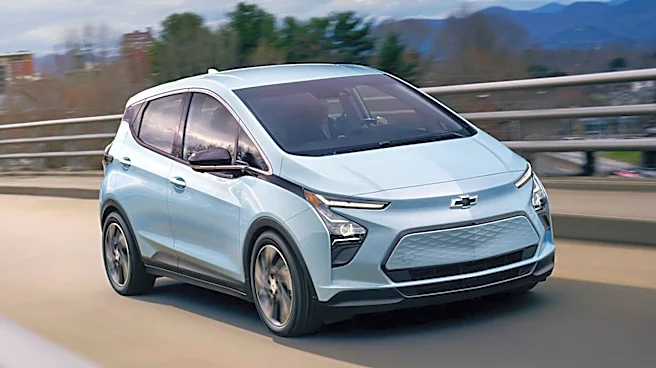
Chevrolet is set to launch a new sedan and will primarily focus on the production of gasoline-powered models as it adapts to a lower-than-expected demand for electric vehicles (EVs). Despite this shift, Chevrolet is not withdrawing from the EV market
entirely. The decision comes as part of a broader strategy to balance its product offerings in response to current market conditions. This move highlights the challenges automakers face in transitioning to electric vehicles, as consumer demand and infrastructure development continue to evolve.
Why It's Important?
The shift in Chevrolet's strategy underscores the complexities of the automotive industry's transition to electric vehicles. While there is a global push towards electrification, the slower-than-anticipated consumer adoption of EVs presents significant challenges. This decision could impact the U.S. automotive market by influencing other manufacturers to reassess their EV strategies. It also highlights the need for continued investment in EV infrastructure and consumer incentives to boost adoption. The focus on gasoline models may provide short-term stability for Chevrolet, but it raises questions about long-term sustainability and environmental goals.
What's Next?
Chevrolet's decision may prompt other automakers to reevaluate their EV strategies, potentially leading to a temporary slowdown in the industry's shift towards electrification. Stakeholders, including policymakers and environmental groups, may push for stronger incentives and infrastructure development to support EV adoption. The automotive industry will likely continue to monitor consumer trends and adjust their strategies accordingly, balancing between traditional and electric vehicle offerings.