





What's Happening?
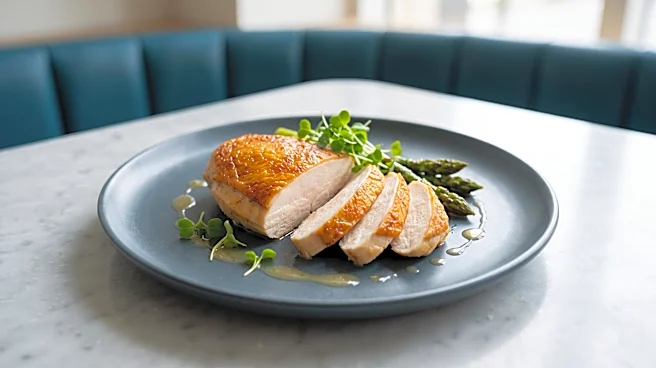
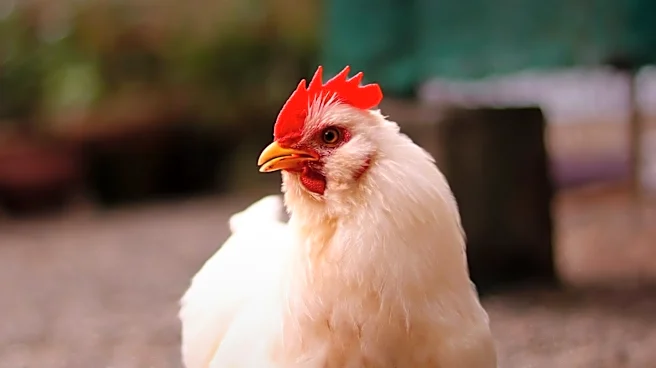
The U.S. Food & Drug Administration (FDA) has completed its safety review of UPSIDE Foods' cultivated chicken process, stating it has 'no questions' regarding the company's conclusion that its product is as safe as conventionally produced chicken. This
marks a significant step for the cultivated meat industry in the United States. UPSIDE Foods' process involves growing meat directly from animal cells, which are supplied with nutrients such as water, sugars, amino acids, vitamins, and minerals inside cultivators. The company has also developed animal-component-free cell feed, moving away from historical methods that used fetal bovine serum in cell culture. This FDA review is a crucial part of the federal regulation process for cultivated meat, which also involves inspection, processing, sanitation, labeling, and regulation by the U.S. Department of Agriculture – Food Safety and Inspection Service (USDA-FSIS).
Why It's Important?
This FDA clearance is a pivotal moment for the U.S. cultivated meat industry, signaling a pathway for these innovative products to reach consumers. It provides regulatory certainty, which is essential for companies like UPSIDE Foods to scale production and attract further investment. The development of animal-component-free cell feed addresses a key ethical and practical concern, potentially broadening the appeal of cultivated meat to a wider consumer base and reducing reliance on animal-derived inputs. For the broader food industry, this could usher in a new era of protein production, offering alternatives to traditional animal agriculture with potential benefits for environmental sustainability and food security. Consumers stand to gain access to new food options, while traditional meat producers may face increased competition and pressure to innovate.
What's Next?
Following the FDA's 'no questions' letter, UPSIDE Foods will now proceed with the U.S. Department of Agriculture (USDA) for facility inspection and labeling approval. Once USDA approval is secured, the company will be able to bring its cultivated chicken product to market in the United States. This regulatory pathway, established through collaboration between the FDA and USDA, will likely serve as a precedent for other cultivated meat companies seeking to introduce their products. The industry will be closely watching the commercial rollout of UPSIDE Foods' chicken to gauge consumer acceptance and the economic viability of large-scale cultivated meat production. Further research and development will continue to focus on optimizing cell feed, improving efficiency, and reducing production costs to make cultivated meat more accessible.
Beyond the Headlines
The FDA's decision extends beyond immediate market access, touching upon deeper implications for food systems and ethical considerations. The acceptance of cultivated meat challenges traditional notions of food production and consumption, potentially leading to shifts in dietary habits and agricultural practices. It raises questions about the long-term environmental impact of cultivated meat compared to conventional farming, including energy consumption and resource use. Furthermore, the development of animal-component-free cell feed highlights a growing trend towards more sustainable and ethical sourcing in the food industry. This regulatory milestone could also spur international discussions and harmonization of standards for novel food technologies, influencing global food policy and trade.