




What's Happening?
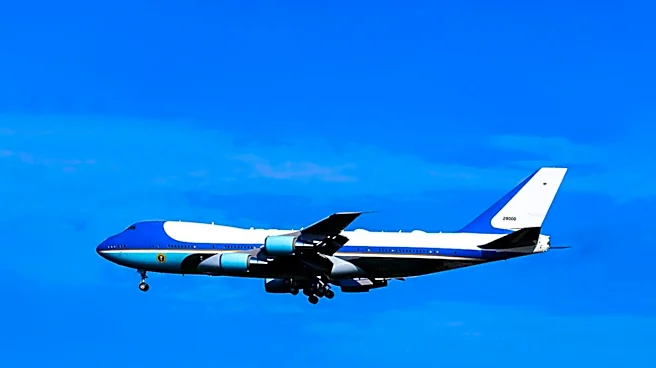
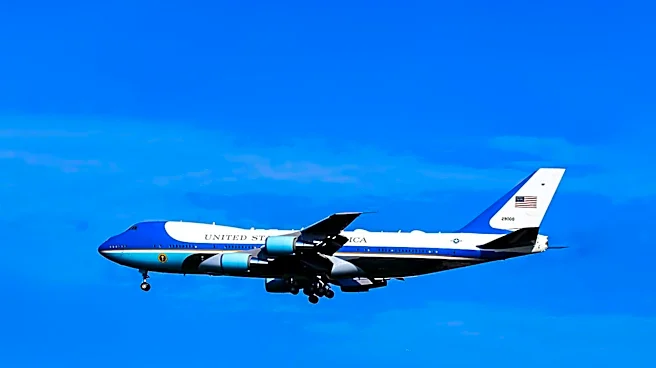
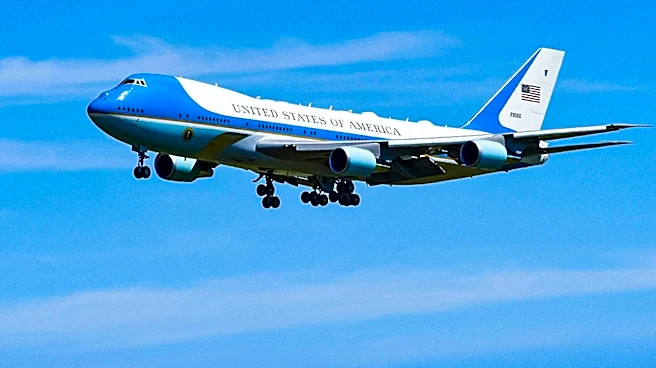
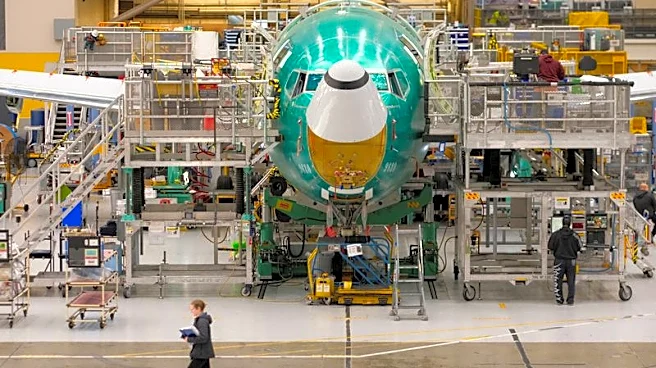
Boeing is experiencing significant financial challenges with its Air Force One project, as the company announced an additional $280 million in costs last quarter. This brings the total cost overruns for the project to over $3.1 billion. The project involves
the production of two heavily modified 747-8 jets, which are now expected to be delivered by 2028, four years later than initially planned. The delays and cost increases are attributed to engineering design changes, supplier performance issues, and inefficiencies exacerbated by the pandemic. President Trump had previously negotiated a contract to cap the cost to taxpayers at $3.9 billion, but the price has since risen to approximately $4.5 billion.
Why It's Important?
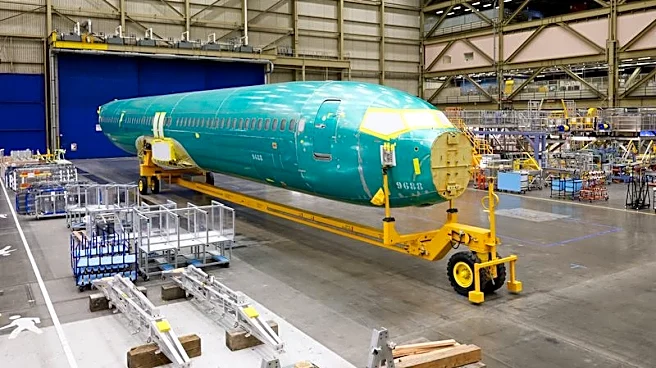
The financial strain on Boeing due to the Air Force One project highlights broader challenges within the company, which is also dealing with issues related to its 737 Max program. The cost overruns and delays could impact Boeing's financial stability and its reputation as a defense contractor. The situation underscores the complexities and risks involved in large-scale government contracts, particularly those involving advanced technology and security requirements. The increased costs may also have implications for U.S. taxpayers, despite the initial cost cap negotiated by President Trump.
What's Next?
Boeing is expected to continue ramping up resources to meet the revised delivery timeline for the Air Force One jets. The company will likely face ongoing scrutiny from both the government and the public regarding its ability to manage large defense contracts effectively. Future negotiations and contracts may be influenced by the lessons learned from this project, potentially leading to more stringent oversight and risk management strategies.