




What's Happening?
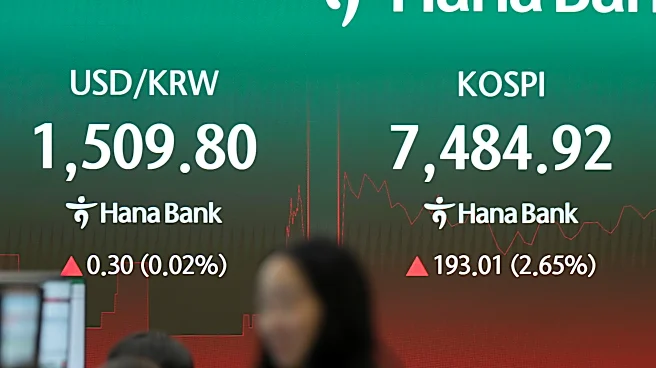
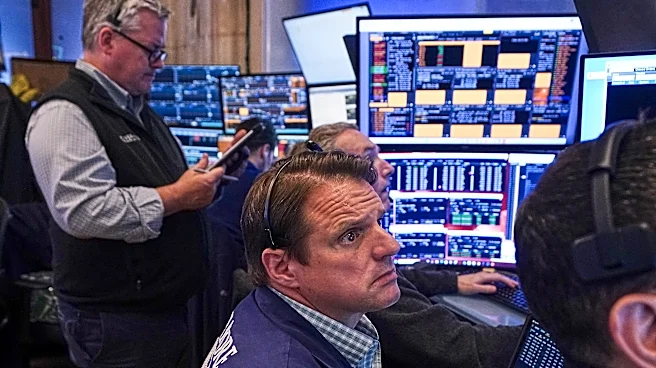
Tech stocks in the U.S. experienced a sharp decline on July 13, 2026, as renewed exchanges of missile and drone assaults between U.S. and Iranian forces heightened tensions in the Gulf region. The conflict led to the closure of the vital Strait of Hormuz
by Tehran, causing a surge in oil prices. Nasdaq futures dropped by 0.90%, while S&P 500 futures fell by 0.25%. The rise in oil prices pushed 2-year Treasury yields to their highest since February 2025. The dollar edged down as the Federal Reserve's rate outlook came into focus, with Chair Kevin Warsh set to address Congress.
Why It's Important?
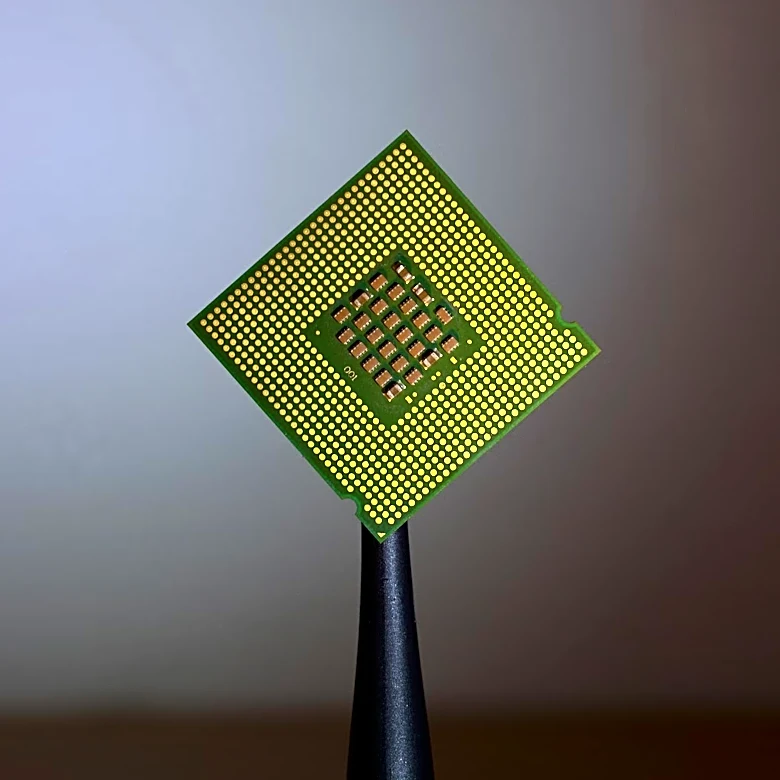
The escalation in the Gulf region has significant implications for global energy markets and the broader economy. The closure of the Strait of Hormuz, a critical chokepoint for oil transportation, has led to increased oil prices, which could impact inflation and economic growth. The rise in bond yields reflects investor concerns about the potential for further conflict and its economic consequences. Additionally, the tech sector, already under pressure from concerns about AI valuations, faces increased volatility due to geopolitical tensions.
What's Next?
Market participants will be closely watching for any developments in the U.S.-Iran conflict and its impact on oil prices and global markets. The Federal Reserve's response to the economic implications of the conflict, particularly in terms of interest rate policy, will also be a key focus. The upcoming earnings season for major tech companies will provide further insights into the sector's resilience amid these challenges.