




What's Happening?
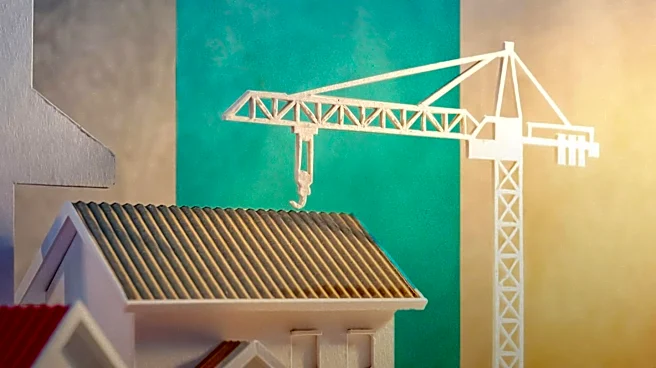
Extended stay hotels now account for approximately 40% of the U.S. hotel construction pipeline, totaling 2,352 projects or 236,219 rooms, as of Q3 2026. This significant share comes even as the overall U.S. hotel pipeline experienced a 4.9% decrease in project counts
year-over-year. Of these extended stay projects, 424 are currently under construction, 1,006 are scheduled to begin construction within the next 12 months, and 922 are in the early planning stages. Brand conversions also saw a 3% increase, contributing 1,516 projects to the pipeline. The middle-tier extended stay brands dominate this segment, with luxury extended stay also showing substantial growth.
Why It's Important?
The strong presence of extended stay hotels in the U.S. construction pipeline signals a strategic shift in the hospitality industry, driven by favorable economics. Extended stay properties typically require less labor and offer lighter food service compared to full-service hotels, leading to higher profit margins due to reduced operational costs. This model appeals to developers and owners seeking more resilient and profitable investments. The growth in this segment also reflects changing consumer preferences, with an increasing demand for longer-term accommodations that offer home-like amenities. This trend has significant implications for the labor market, real estate development, and the competitive landscape of the U.S. hotel industry, potentially leading to more affordable and flexible lodging options for travelers.
What's Next?
The continued expansion of extended stay hotels is expected to reshape the U.S. lodging market. Developers will likely continue to prioritize this segment, especially given its operational efficiencies and strong performance. The focus on brand conversions suggests that existing properties will increasingly be repurposed to meet the demand for extended stay options, offering a faster route to market than new ground-up construction. Industry stakeholders will closely monitor the early planning stages of extended stay projects, as a rebound in this area would indicate sustained long-term growth. This trend could also spur innovation in hotel design and service models, further differentiating extended stay offerings from traditional hotels.
Beyond the Headlines
The rise of extended stay hotels points to a deeper evolution in how people live, work, and travel. It reflects a growing need for flexible living arrangements, whether for business travelers on long assignments, individuals relocating, or families seeking more spacious and cost-effective lodging. This shift challenges traditional hotel models and encourages a re-evaluation of what constitutes a 'hotel stay.' The emphasis on reduced labor and lighter food service also highlights the industry's response to labor shortages and cost pressures, potentially leading to more automated or self-service options. This transformation could have lasting effects on urban planning, local economies, and the overall guest experience in the U.S. hospitality sector.