








What's Happening?
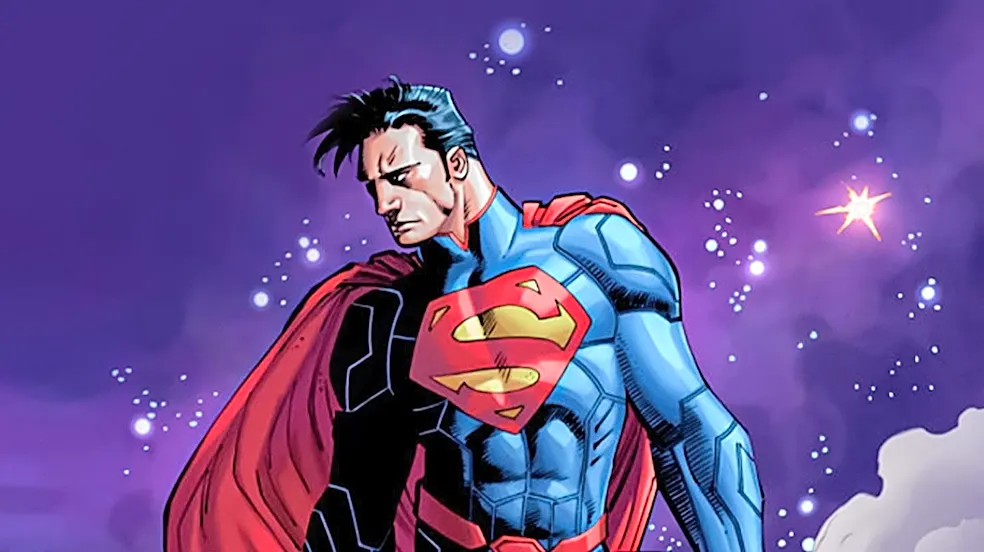
The New 52 reboot in 2011 by DC Comics introduced several significant retcons to its universe, aiming to refresh its characters and storylines. Among these changes, Superman was re-envisioned with a return to his 'leftist roots,' portraying him as a progressive
character who challenged corrupt officials and business owners, reminiscent of his original Depression-era creation. Another major retcon involved Cyborg, who was promoted to a founding member of the Justice League, replacing Martian Manhunter. Cyborg's origin was also updated, linking his transformation to Darkseid's attack and his bonding with a Mother Box. Other notable retcons included a more sensible resurrection for Red Hood via the Lazarus Pit and the establishment of Alan Scott, the Golden Age Green Lantern, as a gay man. Darkseid was also made the Justice League's first enemy, a change that has since become canon.
Why It's Important?
The New 52 retcons were a pivotal moment for DC Comics, representing a bold attempt to modernize its continuity and attract new readers. The re-establishment of Superman's leftist ideals aimed to reconnect the character with his social justice origins, making him relevant to contemporary issues beyond traditional superheroics. Cyborg's elevation to the Justice League's founding lineup was significant for increasing diversity within the team and reflecting his growing popularity. These changes had a profound impact on character development and narrative direction, influencing subsequent storylines and the overall perception of the DC Universe. While some retcons were controversial, others, like Cyborg's new origin and Darkseid as the League's first foe, were well-received and have been maintained in later continuities, demonstrating their lasting influence on the DC mythos.
What's Next?
While many of the New 52 changes were eventually superseded by subsequent reboots, some, like Cyborg's origin and Darkseid's role as the Justice League's first enemy, have been retained or slightly modified in current DC continuity. This indicates a selective approach to retcons, where successful and popular changes are integrated into the ongoing narrative. Future DC Comics publications will likely continue to build upon these established elements while also introducing new interpretations and updates to characters and their histories. The legacy of the New 52 serves as a blueprint for how DC approaches large-scale reboots, balancing the need for fresh storytelling with the preservation of beloved character traits and significant narrative developments.
Beyond the Headlines
The New 52 era sparked considerable debate among comic book fans regarding the balance between tradition and innovation. The decision to alter long-standing character histories and relationships highlighted the challenges of maintaining a cohesive and engaging narrative across decades of publication. The retcon of Alan Scott's sexuality, for instance, was a significant step towards greater LGBTQ+ representation in mainstream comics, reflecting evolving societal values. These changes underscore the dynamic nature of comic book storytelling, where characters are continually reinterpreted to resonate with new generations while still honoring their foundational elements. The New 52's impact extends beyond sales figures, influencing discussions about diversity, character relevance, and the very definition of continuity in a shared fictional universe.