






What's Happening?
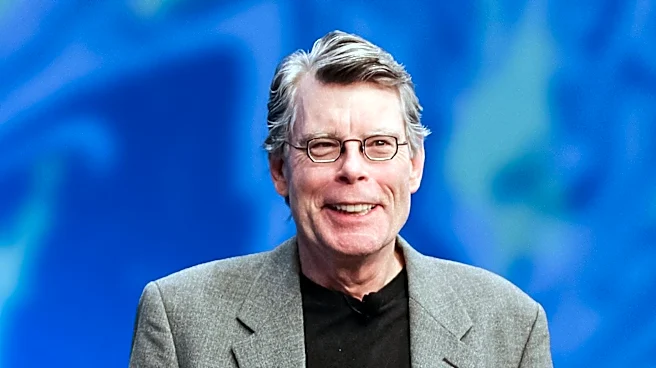
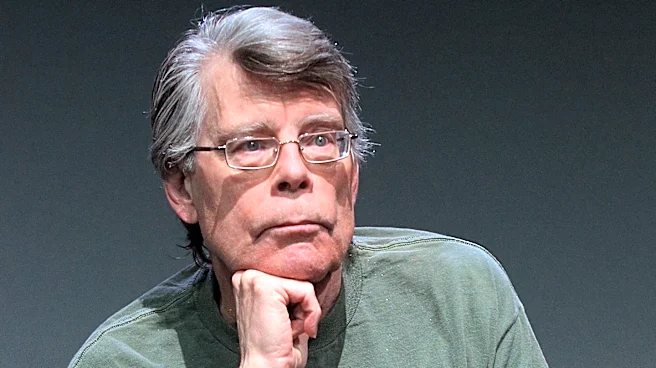
Author Stephen King, 79, appeared on a talk show to promote his new book, 'Other Worlds Than These.' During the broadcast, cohost Joy Behar, 84, inquired about his writing routine and how he maintains his sharp mind. King stated he typically writes for
three hours a day to keep his material fresh. As Behar attempted to transition to a commercial break, King interjected to discuss his own mortality, remarking, 'God will shut me up eventually, but, hopefully not too soon.' This unprompted reflection on his death led to reactions from the cohosts, with Behar telling him not to say that, and Ana Navarro asserting that his books are eternal. King's extensive body of work includes iconic horror novels such as 'Salem's Lot,' 'The Shining,' 'Pet Sematary,' 'It,' 'Misery,' and 'Gerald's Game,' as well as the non-horror hit 'The Green Mile,' many of which have been adapted into major films. His debut novel, 'Carrie,' has also seen multiple film adaptations and a recent streaming series.
Why It's Important?
Stephen King's public contemplation of his own death, particularly in the context of promoting new work, highlights the unique position of prolific artists in American culture. His comments underscore the human element behind enduring creative output and can resonate with a broad audience, including his millions of readers who have grown up with his stories. For the publishing industry, King's continued activity and new releases remain significant, demonstrating the sustained demand for established authors. His discussion of mortality also touches upon the broader societal conversation around aging, legacy, and the creative process, particularly for individuals who have achieved widespread recognition and influence. The interaction on a national talk show further amplifies these themes, bringing a personal and philosophical dimension to what would otherwise be a standard book promotion.
What's Next?
Following his appearance, Stephen King is expected to continue promoting 'Other Worlds Than These.' His comments on mortality may spark further discussions in interviews or literary circles regarding the legacy of authors and the impact of their work beyond their lifetimes. The continued success of his new book will likely be monitored by the publishing industry as an indicator of sustained interest in his writing. Additionally, given his history of adaptations, there may be future interest in developing his latest work into film or television projects. The public's reaction to his candid remarks could also influence how other public figures approach discussions about aging and their professional futures.
Beyond the Headlines
King's unprompted reflection on his mortality delves into deeper philosophical and cultural implications. It highlights the tension between an artist's personal journey and the public's perception of their enduring legacy. For an author whose work often explores themes of life, death, and the supernatural, this public statement adds a layer of meta-commentary to his own narrative. It also raises questions about the societal expectation for public figures to maintain a certain image, even as they age. The cohosts' reactions—one dismissing the thought and another emphasizing his eternal literary contribution—illustrate differing cultural responses to discussions of death, particularly from someone who has shaped the horror genre for decades. This moment transcends a simple book promotion, becoming a poignant reflection on the human condition from a master storyteller.