

What's Happening?
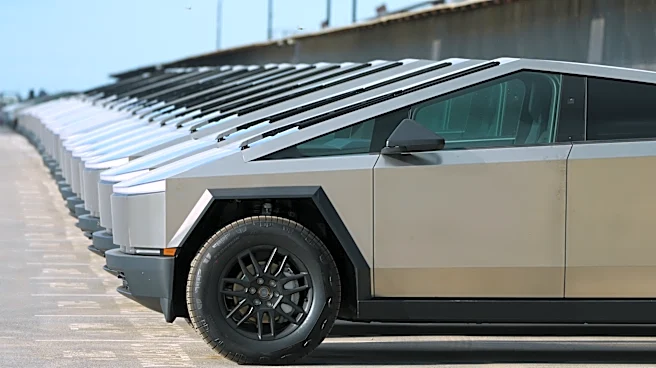
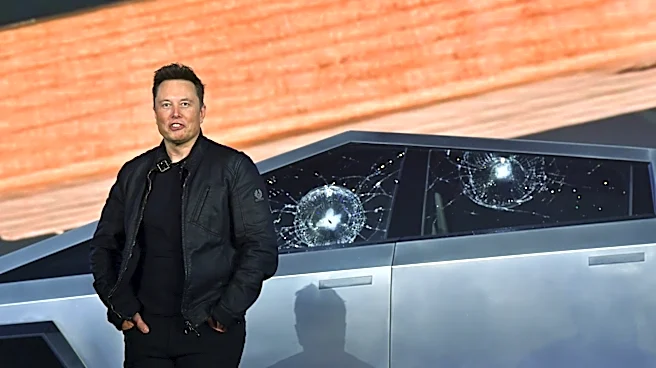
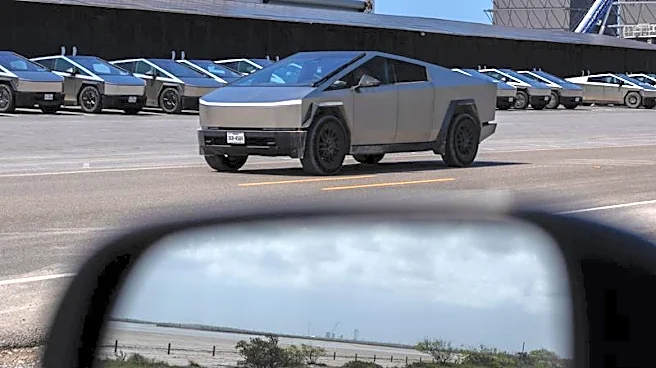
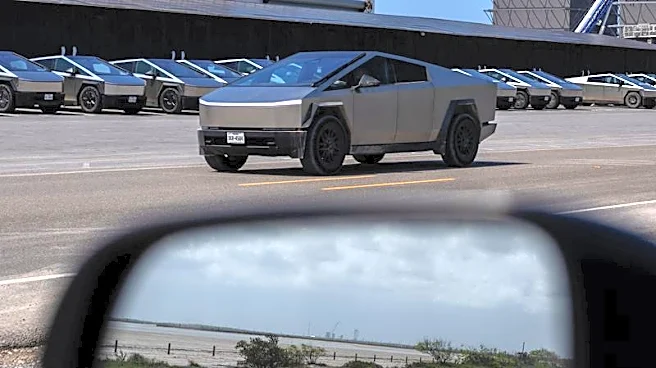
Tesla is set to discontinue the manufacturing of its Cybertruck at its Texas gigafactory by mid-next year, as announced by Elon Musk. The vehicle, known for its polarizing design, has faced a series of challenges since its 2019 unveiling. During its initial
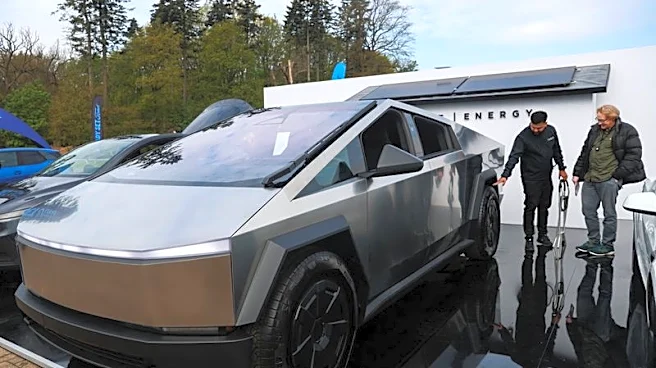
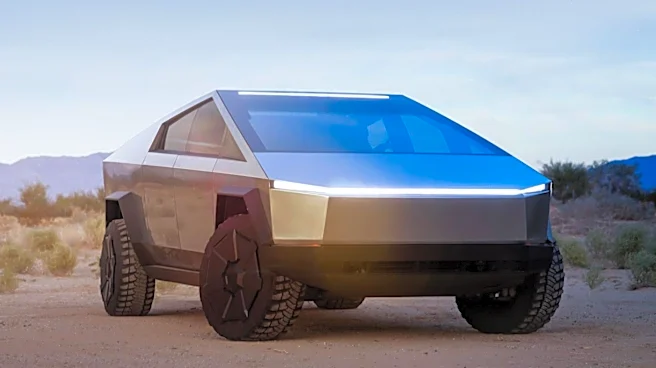
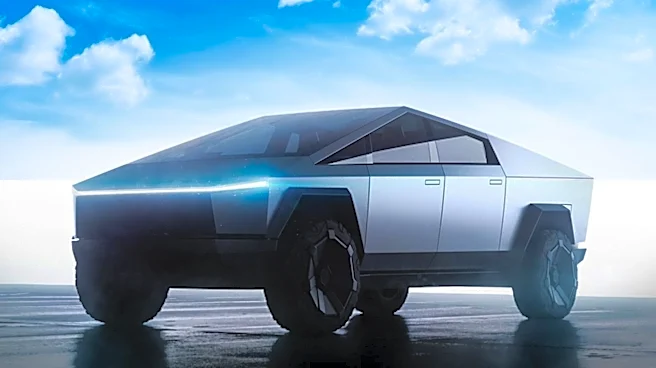
presentation, the truck's 'armor glass' famously shattered during a demonstration. Industry expert Patrick George of the Wall Street Journal attributes the Cybertruck's demise to several factors, including its deeply divisive aesthetic, which he describes as 'very big, angular, imposing, kind of brutal looking.' This design, inspired by the 1977 James Bond film 'The Spy Who Loved Me,' has garnered strong opinions, with consumers either loving or hating it. Additionally, the Cybertruck has been plagued by manufacturing issues and recalls. Its image has also become intertwined with Elon Musk's increasing involvement in right-wing politics, further complicating its market reception. Ultimately, the primary reason for the production halt is insufficient demand, as the vehicle has not been selling well.
Why It's Important?
The discontinuation of the Cybertruck marks a significant moment for Tesla and the electric vehicle market. It highlights the challenges even established EV manufacturers face when introducing unconventional designs and products. The Cybertruck's failure due to insufficient demand suggests that while innovation is valued, market acceptance heavily relies on practical appeal and broader consumer preferences beyond niche aesthetics. This event could influence future EV design strategies, potentially leading manufacturers to prioritize more conventional and widely appealing vehicle forms. For Tesla, it represents a setback in its diversification efforts and a potential financial hit, as resources invested in the Cybertruck's development and production will not yield expected returns. The association of the vehicle with Elon Musk's political leanings also underscores how a CEO's public persona can impact brand perception and product success, particularly in a politically charged environment.
What's Next?
Following the cessation of Cybertruck production, Tesla will likely reallocate resources and focus on its more successful electric vehicle lines. The company may also analyze the market reception of the Cybertruck to inform future product development, potentially leading to more conservative design choices or a deeper understanding of consumer preferences for specialized vehicles. For current Cybertruck owners, the vehicle may become a collector's item due to its limited production run, as noted by some owners. The broader automotive industry will be watching Tesla's next moves closely, especially regarding how it addresses the lessons learned from the Cybertruck's performance. Competitors may leverage this development to highlight the stability and broader appeal of their own electric truck offerings. Tesla's future product announcements will likely be scrutinized for any shifts in design philosophy or market targeting.
Beyond the Headlines
The Cybertruck's journey from a highly anticipated concept to a discontinued product offers insights into the intersection of design, technology, and consumer psychology. Its polarizing aesthetic challenged traditional automotive design norms, aiming for a futuristic and robust image. However, this bold approach ultimately alienated a significant portion of the market, demonstrating that even with a strong brand like Tesla, radical design must be balanced with practical utility and broad appeal. The vehicle's struggles also highlight the complexities of manufacturing innovative products, as evidenced by the recalls and production issues. Furthermore, the intertwining of the Cybertruck's image with Elon Musk's political activities suggests a growing trend where corporate products can become symbols of broader cultural or political ideologies, influencing consumer purchasing decisions beyond mere product features. This case study will likely be examined for years as an example of both ambitious innovation and the pitfalls of misjudging market readiness for extreme design.