







What's Happening?
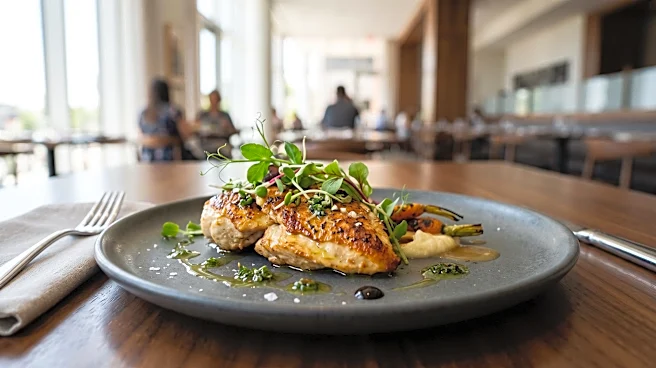
Cultivated meat producer UPSIDE Foods has commenced the commercial rollout of its cultivated chicken product, 'Upside Chicken,' in California. This launch follows a significant expansion in the company's production capabilities, now exceeding 1 million
pounds of cultivated chicken annually. The product is currently available in select corporate and college dining programs, as well as at certain restaurants across California. Upside Chicken is formulated using cultivated chicken cells combined with plant-based ingredients such as soy protein isolate, isolated pea fiber, and olive oil. The commercialization comes after the company secured a second 'No Questions' letter from the Food and Drug Administration (FDA) and a second label approval from the US Department of Agriculture (USDA). Dr. Uma Valeti, founder and chief executive officer of UPSIDE Foods, stated that the company aims to expand consumer choice by offering meat produced without taking an animal's life, creating new opportunities for the food industry.
Why It's Important?
The commercial launch of cultivated chicken by UPSIDE Foods marks a significant milestone for the alternative protein industry in the U.S. It demonstrates the viability of scaling cultivated meat production and bringing it to market, potentially disrupting traditional meat industries. This development offers consumers a new choice for meat consumption that aligns with ethical and environmental concerns, as it reduces reliance on conventional animal agriculture. The regulatory approvals from the FDA and USDA are crucial, establishing a precedent for future cultivated meat products and building consumer trust. This could lead to increased investment and innovation in the cultivated meat sector, fostering competition and potentially lowering prices over time. The availability in corporate and college dining programs also introduces this novel food to a broader demographic, influencing future dietary preferences and market demand.
What's Next?
Following this initial rollout, UPSIDE Foods is expected to continue expanding the availability of its cultivated chicken to more restaurants and potentially retail channels across California and other states, pending further regulatory and logistical developments. The company's success in scaling production and securing regulatory approvals could encourage other cultivated meat companies to accelerate their own commercialization efforts. This will likely lead to increased competition and a wider variety of cultivated meat products entering the U.S. market. Stakeholders, including traditional meat producers, animal welfare organizations, and environmental groups, will closely monitor the market reception and regulatory landscape. Future steps may also involve further research and development to enhance product taste, texture, and cost-effectiveness, as well as public education campaigns to inform consumers about cultivated meat.
Beyond the Headlines
The commercialization of cultivated chicken by UPSIDE Foods carries deeper implications beyond immediate market availability. Ethically, it challenges long-held assumptions about meat production, offering a pathway to reduce animal slaughter and its associated ethical concerns. Environmentally, it presents a potential solution to the significant ecological footprint of traditional livestock farming, including land use, water consumption, and greenhouse gas emissions. Legally, the regulatory framework established by the FDA and USDA for cultivated meat sets a precedent for novel food technologies, influencing future food safety and labeling policies. Culturally, the introduction of cultivated meat into mainstream dining could shift societal perceptions of food and sustainability, potentially leading to broader acceptance of alternative protein sources. This development could also spur innovation in related fields, such as cellular agriculture and biotechnology, creating new economic opportunities and scientific advancements.