








What's Happening?
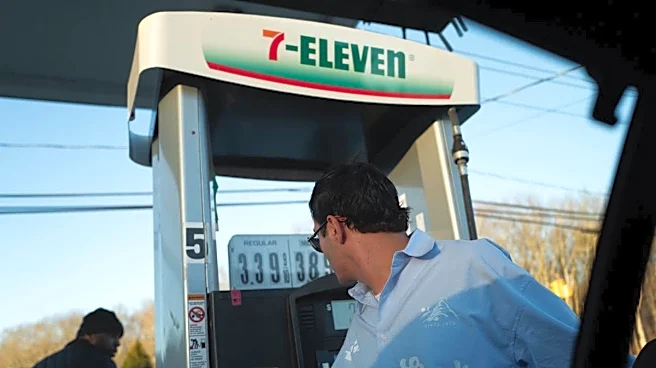
A lawsuit has been filed in Sacramento federal court against several major gas station operators, including BP, Circle K, Marathon, 7-Eleven, Walmart, and Albertsons. The suit alleges that these companies have used an artificial intelligence tool from
Kalibrate to coordinate and inflate gas prices, violating California's Cartwright Act and Assembly Bill 325. This AI tool reportedly uses data from competing stations to set higher prices, leading to an increase of up to 30 cents per gallon in certain areas. The complaint highlights that this practice has significantly raised gasoline prices, sometimes reaching $7 per gallon, and costs California drivers an additional $134 million annually. The lawsuit seeks unspecified damages for consumers who have overpaid for gasoline.
Why It's Important?
This lawsuit underscores the growing concern over the use of artificial intelligence in price setting, particularly in essential commodities like gasoline. If the allegations are proven, it could lead to significant legal and financial repercussions for the companies involved. The case also highlights the broader issue of algorithmic price fixing, which can undermine market competition and harm consumers. For California drivers, who already face the highest gas prices in the nation, this lawsuit represents a critical challenge to practices that may be exacerbating their financial burden. The outcome could set a precedent for how AI is regulated in pricing strategies across various industries.
What's Next?
The legal proceedings will likely involve detailed investigations into the pricing algorithms used by the defendants and their impact on market competition. If the court finds the companies guilty of antitrust violations, they could face substantial fines and be required to change their pricing practices. This case may also prompt regulatory bodies to scrutinize the use of AI in pricing more closely, potentially leading to new regulations or guidelines. Stakeholders, including consumer advocacy groups and policymakers, will be watching closely, as the case could influence future legislation aimed at preventing similar practices.