







What's Happening?
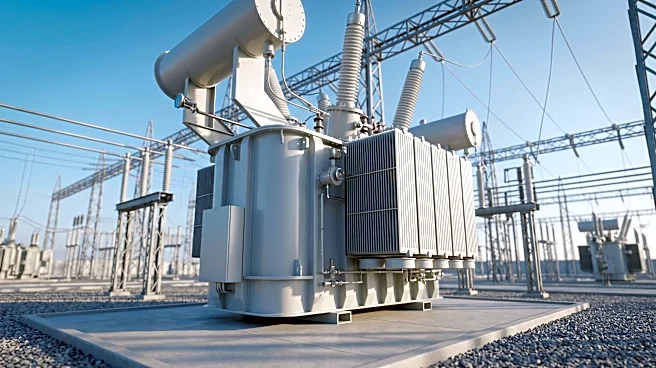
Delta Star, Inc. (DSI), a manufacturer of power transformers and mobile substations, has entered into a definitive agreement to be acquired by MacLean Power Systems (MPS). The transaction is anticipated to close in the fourth quarter of 2026. This merger
aims to create a comprehensive portfolio to serve the North American utility market, addressing the increasing demand driven by growing power consumption, electrification, aging infrastructure, and evolving power supply needs. Delta Star, founded in 1908, specializes in manufacturing devices for the generation, transmission, and distribution of electrical energy, with facilities in Virginia, California, and Quebec. MacLean Power Systems, established in 1986 and a Blackstone portfolio company, is a leading manufacturer of engineered solutions for electrical transmission, substation, and distribution infrastructure. Hunton Andrews Kurth LLP served as legal counsel to Delta Star for this transaction, while Wells Fargo acted as the exclusive financial advisor. Terms of the acquisition were not disclosed.
Why It's Important?
This acquisition is significant for the U.S. energy sector, particularly for the North American utility market. The combined entity of Delta Star and MacLean Power Systems will be better positioned to address critical infrastructure needs, including the modernization of an aging electrical grid and the demands of increasing electrification. The integration of Delta Star's power transformers and mobile substations with MacLean Power Systems' broader portfolio of electrical infrastructure products will create a more robust supply chain for utilities. This is crucial at a time when the U.S. faces unprecedented growth in power consumption and a push towards cleaner energy sources, which require substantial upgrades to existing infrastructure. The merger is expected to enhance the reliability and efficiency of power delivery across North America, benefiting consumers and industries reliant on a stable electricity supply. For the companies involved, it represents a strategic move to consolidate market share and leverage complementary strengths to meet future energy challenges.
What's Next?
The acquisition is expected to be finalized in the fourth quarter of 2026. Following the completion of the transaction, Delta Star will integrate its operations with MacLean Power Systems, aiming to create a unified and more comprehensive offering for the North American utility market. The combined company will likely focus on expanding capacity and delivering enhanced solutions to customers, particularly in response to the growing demand for electrical infrastructure. Stakeholders, including utility operators and energy consumers, can anticipate a more streamlined and efficient supply of critical components for grid maintenance, repair, and expansion. The involvement of Blackstone Energy Transition Partners, as the parent company of MacLean Power Systems, suggests a continued strategic investment in energy-related businesses, indicating potential for further growth and innovation in the sector. The integration process will involve aligning manufacturing, distribution, and customer service operations to maximize synergies.
Beyond the Headlines
This acquisition underscores a broader trend in the U.S. energy industry: the consolidation of key players to meet the escalating demands of an evolving power grid. Beyond the immediate business implications, the merger reflects the critical need for robust and resilient electrical infrastructure to support national economic growth and the transition to new energy sources. The emphasis on 'unprecedented demand due to growing power consumption, electrification, aging infrastructure, and evolving power supply' highlights the systemic challenges facing the U.S. energy landscape. This transaction could set a precedent for similar consolidations as companies seek to gain economies of scale and comprehensive capabilities to address these complex issues. The role of legal counsel like Hunton Andrews Kurth LLP in facilitating such mergers is crucial, ensuring regulatory compliance and smooth transitions in transactions that have significant national infrastructure implications. This also points to the increasing importance of specialized legal expertise in complex industrial sectors.