






What's Happening?
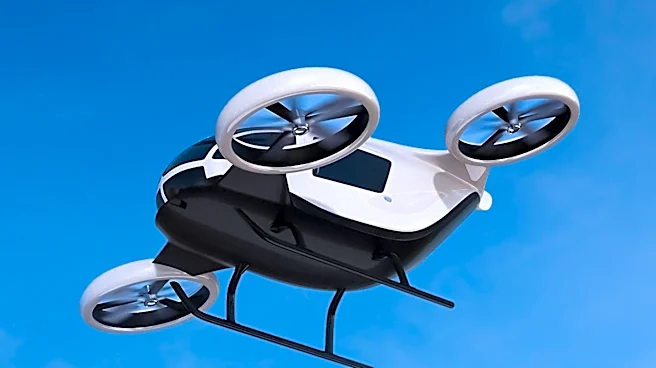
Eve Air Mobility and FlyBIS Aviation Limited have finalized a binding agreement for the acquisition of up to 12 electric Vertical Take-Off and Landing (eVTOL) aircraft. This deal includes two firm orders and purchase rights for an additional ten units.
The agreement builds upon a Letter of Intent established in 2022, aiming to advance electric air mobility operations in Brazil. FlyBIS plans to deploy Eve’s eVTOLs in Southern Brazil, initially connecting various destinations within Santa Catarina and Rio Grande do Sul. Both companies will continue to collaborate on essential requirements for service entry, such as network planning, operational readiness, infrastructure development, and integrating eVTOL services into the existing transportation ecosystem. Potential routes include coastal cities like Navegantes, Balneário Camboriú, and Florianópolis in Santa Catarina, as well as tourist areas in Rio Grande do Sul’s mountain region, such as Gramado and Bento Gonçalves. Eve Air Mobility is actively progressing with its eVTOL development, with its full-scale engineering prototype having completed over 70 flights, including hover and low-speed phases, and is now expanding its flight envelope through transition-flight testing.
Why It's Important?
This agreement signifies a crucial step forward for the commercialization and adoption of eVTOL technology in South America, particularly in Brazil. For Eve Air Mobility, securing a binding order reinforces confidence in its aircraft design and its broader ecosystem strategy for commercial operations. It also provides a clear pathway for revenue generation and market penetration. For FlyBIS, this partnership positions them as an early adopter and potential leader in regional and urban air mobility within Southern Brazil, offering new connectivity options for both residents and tourists. The deployment of eVTOLs could alleviate ground traffic congestion, reduce travel times between key destinations, and potentially lower the environmental impact of regional transportation. The collaboration on infrastructure and operational integration is vital, as it addresses critical challenges for the successful launch of eVTOL services, setting a precedent for future urban air mobility initiatives in the region and beyond.
What's Next?
Following this binding agreement, Eve Air Mobility and FlyBIS Aviation Limited will intensify their collaboration on the practical aspects of launching eVTOL services. This includes detailed network planning to identify optimal routes and landing sites, ensuring operational readiness through pilot training and maintenance protocols, and developing the necessary charging and ground infrastructure. Eve will continue its flight-test campaign, focusing on expanding the aircraft’s flight envelope and achieving wing-borne flight, which is crucial for certification and commercial deployment. FlyBIS will likely begin preparations for market entry in Southern Brazil, potentially engaging with local authorities for regulatory approvals and community outreach. The successful implementation of these initial routes will serve as a critical case study for the broader expansion of electric air mobility in Brazil and other emerging markets, influencing future investment and regulatory frameworks in the sector.
Beyond the Headlines
The binding agreement between Eve Air Mobility and FlyBIS Aviation Limited extends beyond a simple aircraft purchase; it represents a significant stride towards redefining regional transportation paradigms. The introduction of eVTOLs in Southern Brazil could catalyze economic development in previously less accessible tourist destinations and business hubs by offering faster, more efficient travel options. This development also highlights the growing global trend towards sustainable aviation solutions, pushing the boundaries of urban planning and infrastructure development to accommodate new forms of air travel. Furthermore, the collaboration on integrating eVTOL services into the broader transportation ecosystem underscores the complex challenges and opportunities associated with creating a seamless multi-modal transport network. This initiative could also spur innovation in related sectors, such as battery technology, air traffic management systems for low-altitude operations, and advanced manufacturing, creating new jobs and fostering technological advancements within Brazil and the wider Latin American region.