



What's Happening?
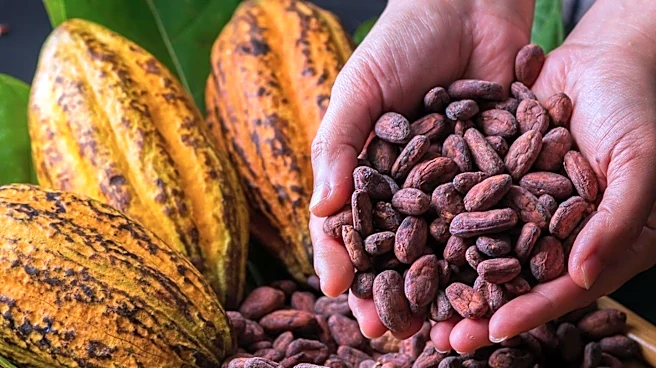
The cocoa market has transitioned from a significant supply deficit in 2023/24 to a surplus in 2024/25, yet underlying vulnerabilities persist. Senior executives from major cocoa businesses convened at the International Cocoa Conference in Singapore to discuss
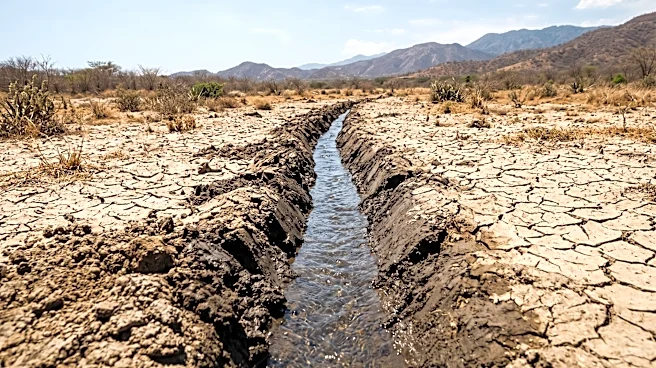
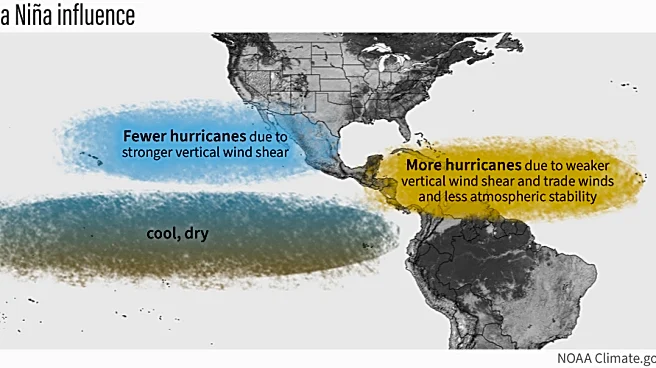
the intricate challenges of strengthening supply while maintaining affordability. Key issues identified include climate risks, disease, low farm productivity, and underinvestment in scientific advancements. The International Cocoa Organization (ICCO) has temporarily withheld production data for the 2025/26 season, noting that cocoa futures remain highly sensitive to demand, weather developments, and production risks in major producing countries. The World Meteorological Organization reported in September that El Niño is established and expected to strengthen, likely persisting through February 2027, which could significantly alter rainfall and temperature patterns, increasing risks of drought, flooding, and extreme heat. This weather volatility, coupled with issues like the Cocoa Swollen Shoot Virus Disease (CSSVD) in West Africa, continues to threaten long-term supply stability.
Why It's Important?
The volatility in the cocoa market has significant implications for U.S. consumers and businesses. Fluctuations in cocoa prices directly impact the cost of chocolate and other cocoa-derived products, potentially leading to higher prices for consumers and reduced profit margins for manufacturers. The reliance on a few major cocoa-producing regions, particularly West Africa, makes the global supply chain vulnerable to localized climate events and diseases. If production remains unstable due to weather and disease, and demand recovers, supply pressures could return, driving prices up further. This situation underscores the need for greater resilience and diversification in cocoa sourcing. For U.S. companies in the confectionery and food industries, ensuring a stable and affordable supply of cocoa is crucial for business continuity and consumer satisfaction. The challenges also highlight the broader impact of climate change on global agricultural commodities and the interconnectedness of international markets.
What's Next?
The cocoa industry is focusing on implementing short-term solutions over the next 10-24 months, alongside longer-term strategies to build resilience. Initiatives like the FAO's support for agroforestry systems in Côte d'Ivoire, which have shown increased yields, are being scaled up. Ghana is also undertaking large-scale rehabilitation of CSSVD-affected farms. Panellists at the conference emphasized the need for increased investment in productivity, scientific advancements, and collaboration among companies, governments, researchers, and farmers. The goal is to deploy technologies affordably and at scale for smallholder farmers. The industry aims to create a supply base resilient enough to withstand future production shocks while keeping cocoa affordable to sustain demand. The market will continue to be exposed to weather patterns, crop expectations, prices, and demand, necessitating ongoing vigilance and adaptive strategies.
Beyond the Headlines
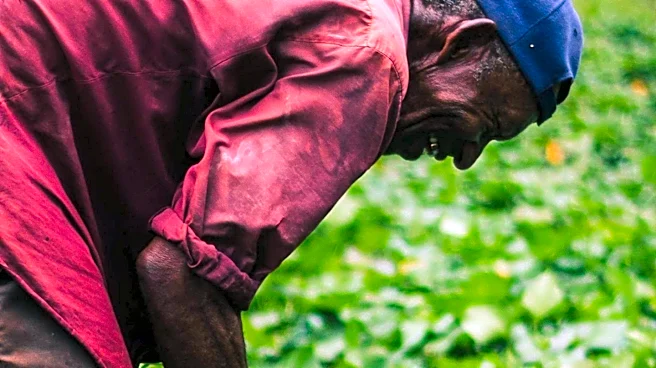
The challenges in the cocoa industry extend beyond economic factors, touching upon ethical and social dimensions. The vulnerability of smallholder farmers to climate change and disease highlights issues of economic inequality and sustainable livelihoods in developing nations. The call for increased investment and collaboration points to a broader trend of shared responsibility in global supply chains, where businesses are increasingly expected to contribute to the well-being of their producers. The potential for AI and other scientific advancements to improve disease management and productivity also raises questions about equitable access to technology and its role in fostering sustainable agriculture. Ultimately, the cocoa market's struggle reflects the larger global challenge of balancing economic demands with environmental sustainability and social equity, particularly in the face of a changing climate.