



What's Happening?
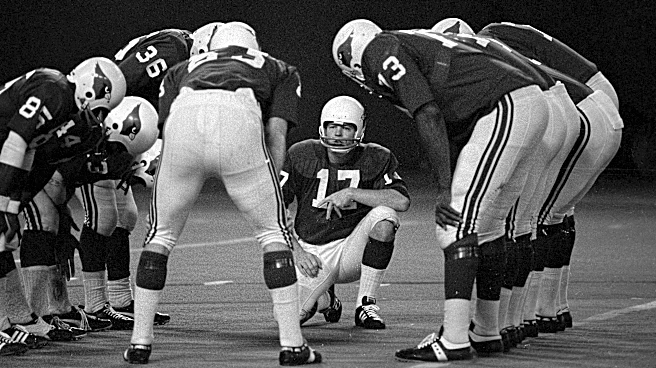
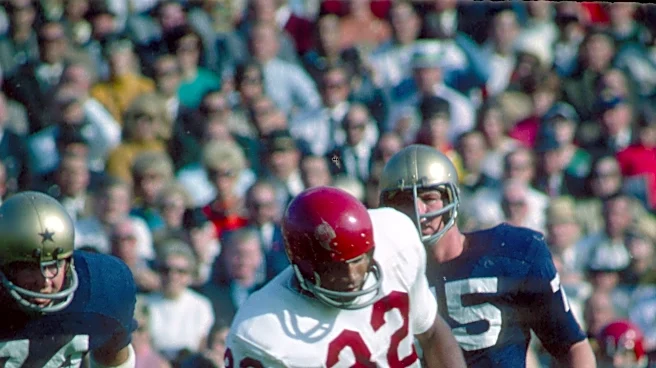
Billy Ray Smith Jr., a former linebacker for the San Diego Chargers and a College Football Hall of Famer, has died at the age of 64. His family announced that Smith had been battling dementia caused by chronic traumatic encephalopathy (CTE), a condition
often found in athletes who have experienced repetitive head trauma. Smith was a prominent figure in the NFL, playing his entire 10-year career with the Chargers and earning a place on the franchise's 50th anniversary team.
Why It's Important?
Smith's death highlights the ongoing concerns about CTE and its impact on former athletes, particularly those in contact sports like football. The condition is associated with severe cognitive and emotional issues, raising questions about player safety and the long-term effects of head injuries. Smith's legacy as a beloved player and his battle with CTE underscore the need for continued research and preventive measures in sports to protect athletes from similar fates.
Beyond the Headlines
Smith's passing also brings attention to the broader cultural and ethical implications of CTE in sports. It prompts discussions about the responsibility of sports organizations to ensure player safety and the potential need for policy changes to address these health risks. The emotional and psychological toll on families dealing with CTE-related conditions further emphasizes the importance of support systems for affected individuals and their loved ones.