


What's Happening?
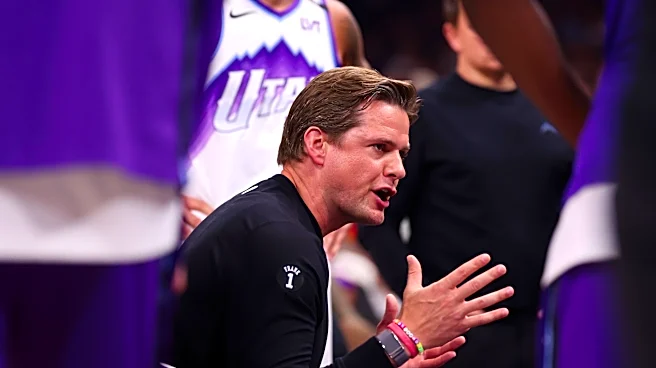
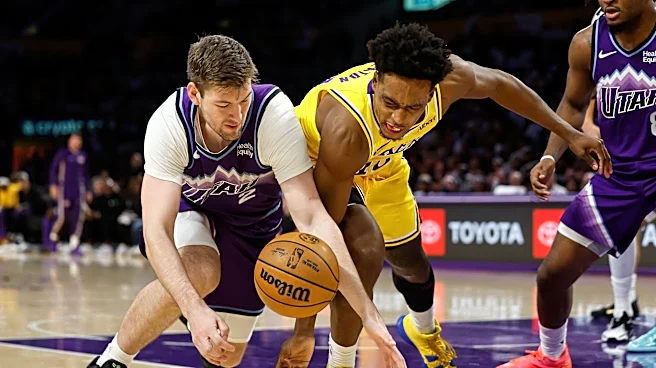
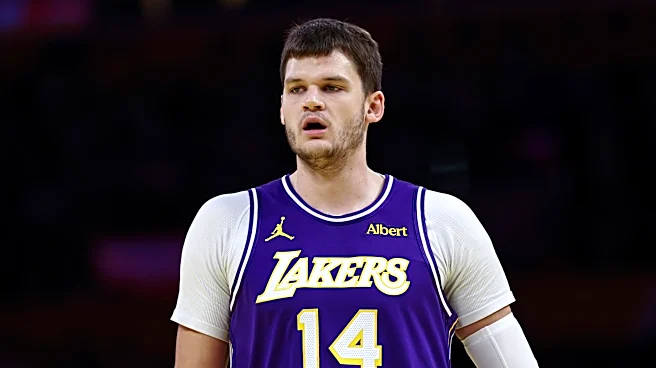
Utah Jazz head coach Will Hardy has publicly stated his focus remains on the current Jazz roster rather than dwelling on the departure of center Walker Kessler, who joined the Los Angeles Lakers. Hardy emphasized that while he values his long-standing
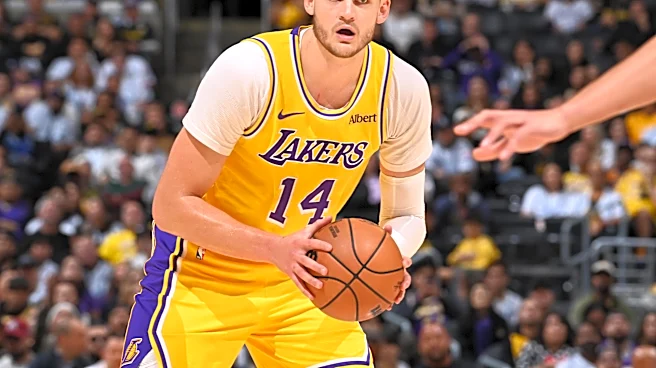
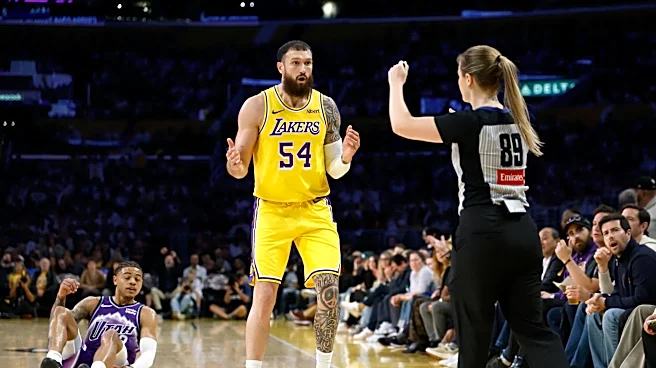
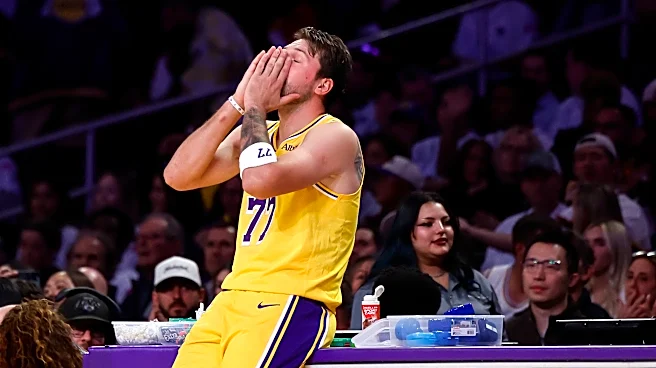
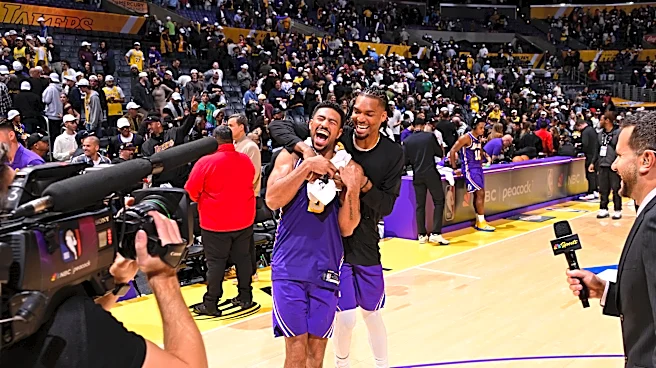
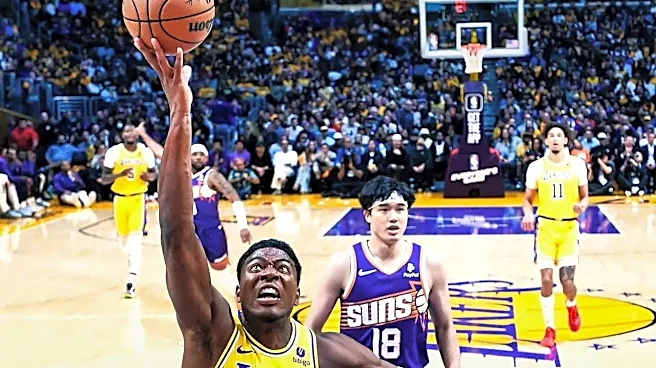
relationship with Kessler, reflecting on 'what-ifs' regarding player retention is unproductive. Kessler left the Jazz in 2026 free agency via a sign-and-trade deal with the Lakers, signing a four-year, $130 million contract. The Lakers acquired Kessler by sending unprotected first-round picks in 2031 and 2033, along with first-round draft pick swaps in 2028 and 2030. Reports indicated Kessler grew frustrated with the Jazz's handling of his restricted free agency, even threatening to exercise his qualifying offer to become an unrestricted free agent in 2027, which would have resulted in Utah losing him without compensation. Kessler has since thrived with the Lakers, averaging 14.5 points, 10.9 rebounds, and 1.9 assists per game, contributing to their 13-2 start. In contrast, the Jazz hold a 2-13 record, impacted by injuries to key players like Jaren Jackson Jr. and Lauri Markkanen.
Why It's Important?
This situation highlights the complex dynamics of player movement and team management in professional sports. For the Utah Jazz, Hardy's stance is crucial for maintaining team morale and focus amidst a challenging season marked by injuries and a significant roster change. Losing a promising young player like Kessler, especially under circumstances suggesting dissatisfaction with contract negotiations, can impact a franchise's reputation and future recruitment efforts. For the Los Angeles Lakers, acquiring Kessler has clearly paid dividends, bolstering their roster and contributing to a strong start to their season. This move underscores the strategic importance of draft picks and financial flexibility in securing talent. The differing trajectories of the two teams post-trade also illustrate how pivotal individual player transactions can be for team performance and competitive standing within the league.
What's Next?
The Utah Jazz will continue to navigate their current season with their existing roster, focusing on player development and integrating new strategies under Coach Hardy. Their immediate challenge involves overcoming injuries to key players and improving their win-loss record. The Lakers, with Kessler's contributions, will aim to maintain their strong performance and contend for a championship. The long-term implications for the Jazz include evaluating their draft assets and future free agency strategies to rebuild and remain competitive. For Kessler, continued strong performance with the Lakers will solidify his value and impact in the league. The trade also sets up future matchups between the Jazz and Lakers with an added narrative layer, as Kessler faces his former team.
Beyond the Headlines
The narrative surrounding Walker Kessler's departure from the Jazz touches upon broader themes within professional basketball, including player empowerment and the intricacies of restricted free agency. Players increasingly have leverage in contract negotiations, and teams must balance financial prudence with retaining talent. The threat of a player exercising a qualifying offer to become an unrestricted free agent highlights a strategic tool players can use to control their careers. This scenario also underscores the emotional aspect of sports, where coaches form bonds with players who may eventually move to rival teams. Hardy's professional approach to Kessler's success, despite the Jazz's struggles, reflects a common sentiment in the league where personal relationships often transcend team allegiances, even in competitive environments.