
What's Happening?
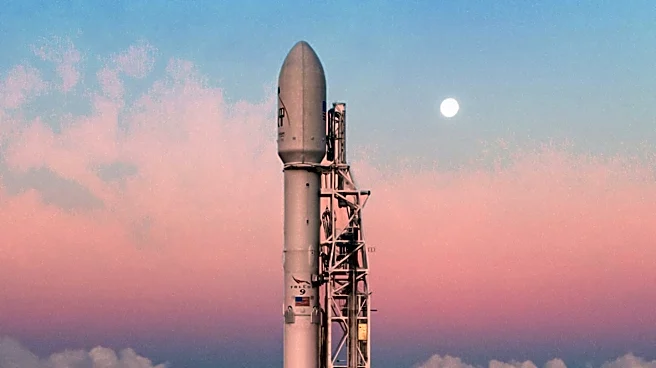
Northrop Grumman's Cygnus XL cargo ship, the S.S. James "Jim" A. Lovell, is scheduled for launch on Sunday, November 29, aboard a SpaceX Falcon 9 rocket from Cape Canaveral Space Force Station. This mission,
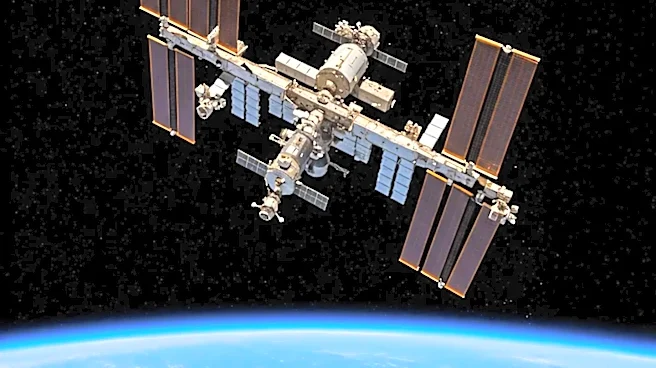
designated NG-25, will deliver approximately 11,000 pounds of supplies and research to the International Space Station (ISS). Dave Schiller, Northrop's vice president for civil space and sciences, confirmed on November 23 that the company has one additional Falcon 9 launch booked for Cygnus after this flight. He did not provide a readiness date for Northrop's own Antares 330 rocket, which is intended to eventually carry Cygnus missions. The Antares 330's development has been impacted by supply chain disruptions for Russian-made engines and Ukrainian-built stages following Russia's 2022 invasion of Ukraine. Since 2024, Falcon 9 rockets have been used for all Cygnus launches. The Cygnus spacecraft, built in Italy and Virginia, is designed with its own propulsion system, allowing it to switch launch vehicles, but it cannot return cargo to Earth, instead performing a controlled, destructive reentry to dispose of station trash.
Why It's Important?
This continued reliance on SpaceX for Cygnus missions highlights a significant shift in U.S. space logistics and commercial partnerships. Northrop Grumman, a major defense contractor, is temporarily dependent on a competitor, SpaceX, to fulfill its NASA resupply contracts. This situation underscores the vulnerabilities in the space supply chain, particularly concerning international dependencies for critical components like rocket engines. The delay in the Antares 330's readiness means that SpaceX's Falcon 9 is currently the sole U.S. commercial rocket capable of launching both Cygnus and its direct competitor, the Dragon cargo capsule, to the ISS. This consolidation of launch services with SpaceX could impact market competition and potentially influence future NASA contracting decisions for ISS resupply and other space missions. The ability of Cygnus to switch launch vehicles demonstrates a design flexibility that has proven crucial in maintaining continuous resupply operations to the ISS despite rocket development challenges.
What's Next?
The immediate next step is the scheduled launch of the Cygnus XL on Sunday, November 29, with capture by the Canadarm2 robotic arm expected on Tuesday, December 1. Following this mission, Northrop Grumman has one more Falcon 9 launch reserved for Cygnus. The future of Cygnus launches beyond that point remains uncertain until the Antares 330 rocket achieves readiness or alternative launch solutions are secured. Northrop Grumman will continue to work with NASA to match missions to available rockets. The company is also repairing a Cygnus spacecraft built for the NG-22 mission, with no timeline provided for its future flight. The development and certification of the Antares 330, which involves Firefly Aerospace building a new first stage, will be a critical factor in Northrop Grumman regaining independent launch capabilities for its Cygnus program.
Beyond the Headlines
The ongoing reliance on SpaceX for Northrop Grumman's Cygnus missions could have long-term implications for the U.S. commercial space industry. It raises questions about the diversification of launch providers and the resilience of the domestic space industrial base. While competition is generally seen as beneficial, a single company dominating critical launch services could lead to concerns about pricing power and potential single points of failure in national space infrastructure. This situation also highlights the complex geopolitical factors that can influence space endeavors, as the conflict in Ukraine directly impacted Northrop Grumman's rocket development. The design philosophy of the Cygnus, with its self-propelled module allowing for launch vehicle flexibility, may become a more prevalent strategy in future spacecraft development to mitigate risks associated with launch vehicle availability and geopolitical instability.